Last updated November 20, 2026
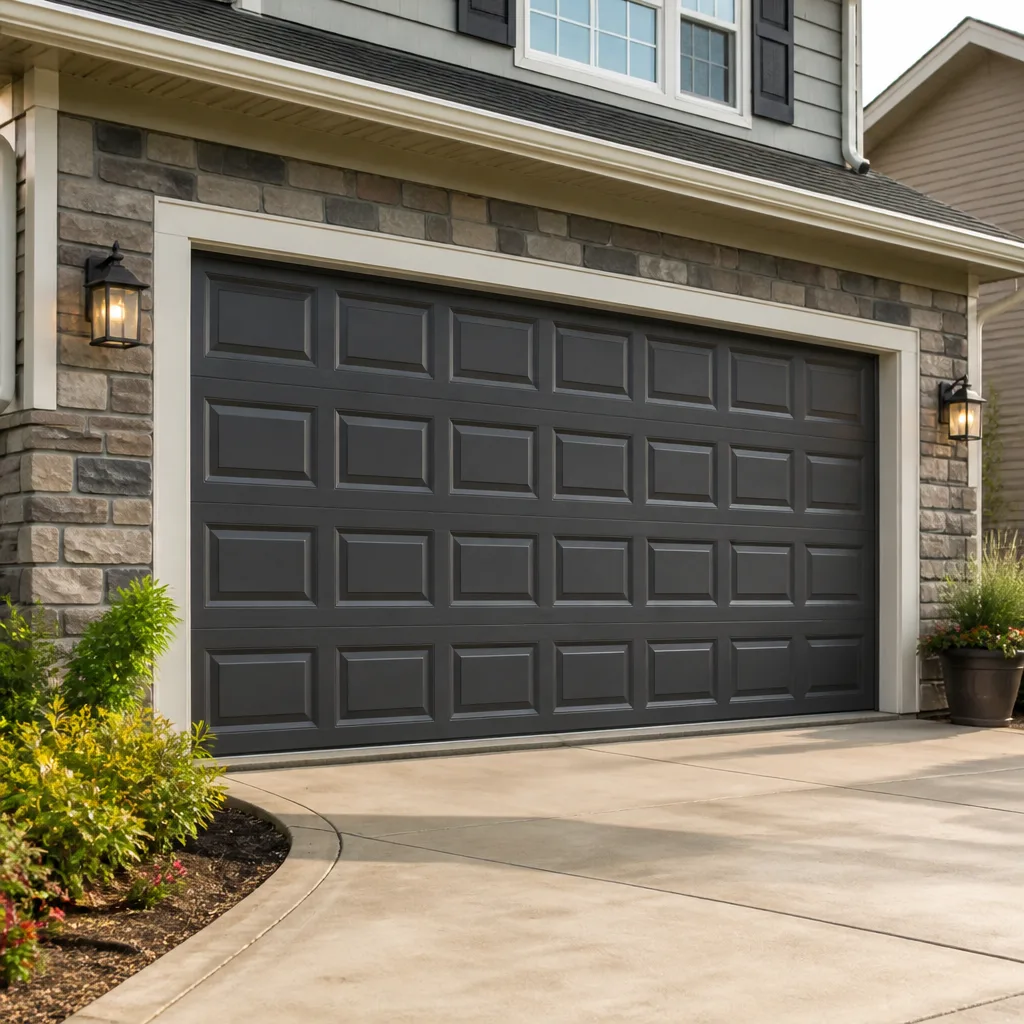 Raised-panel steel
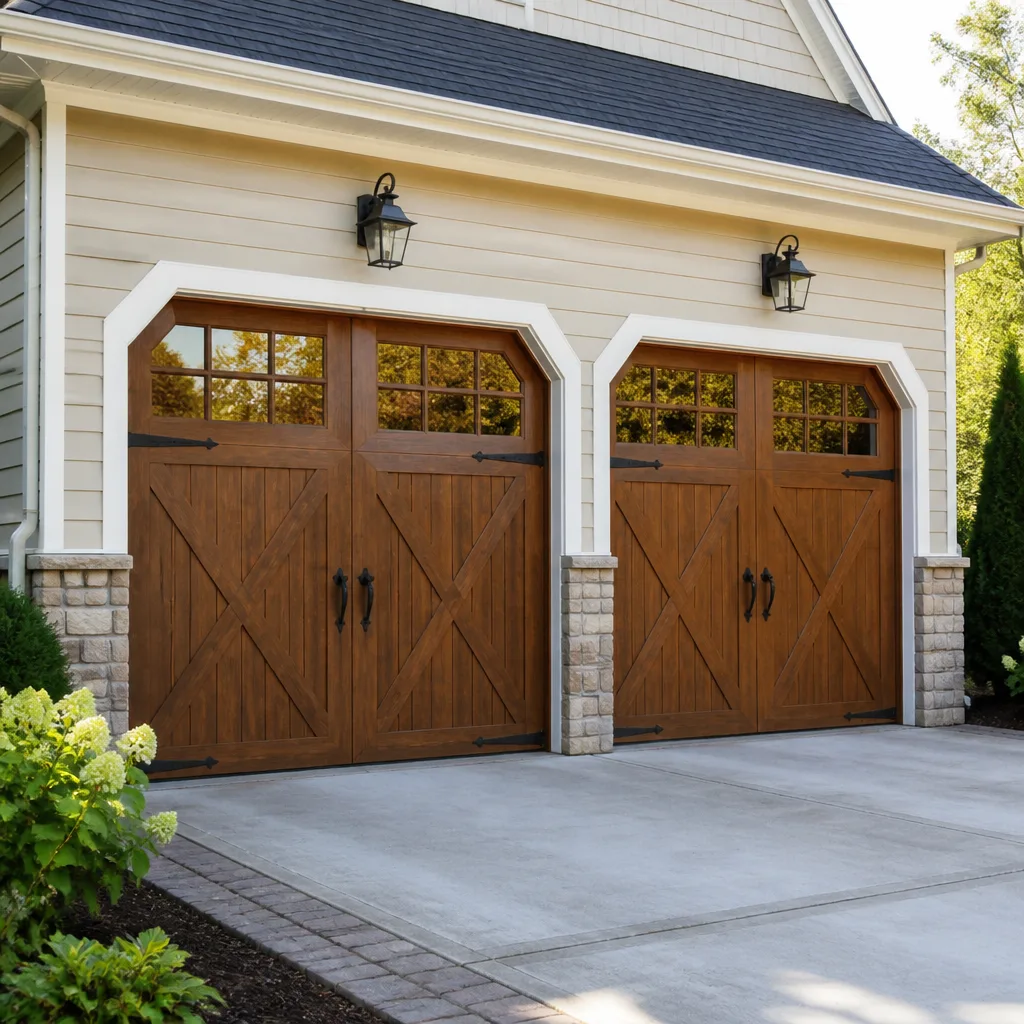 Carriage house
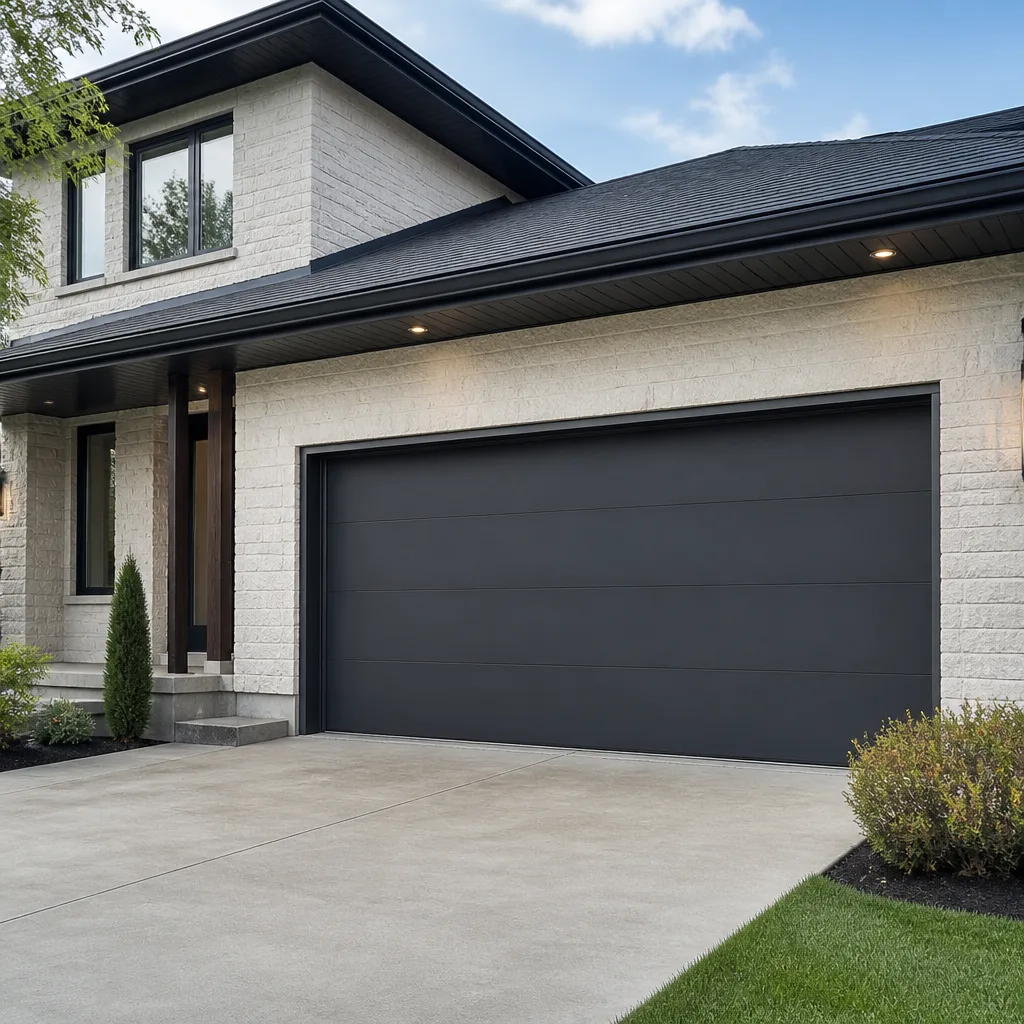 Modern flush
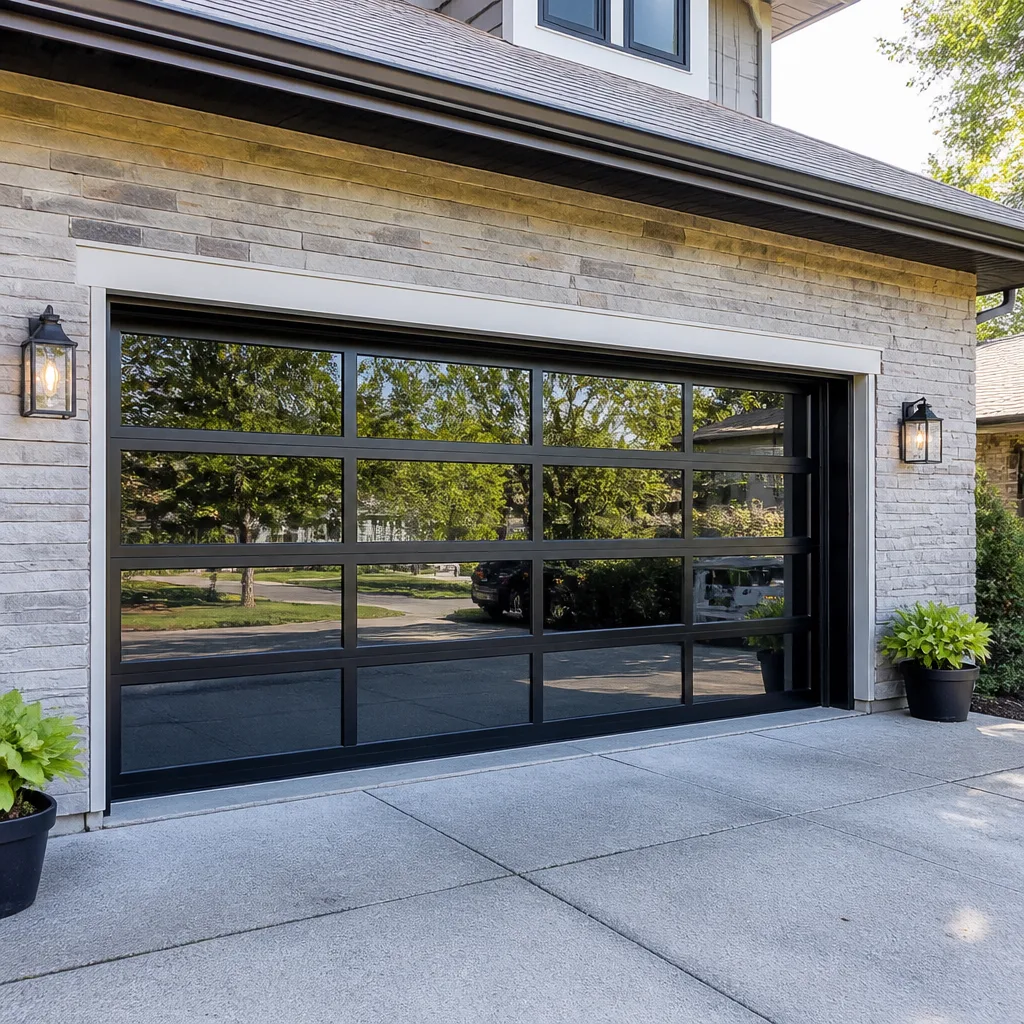 Full-view glass
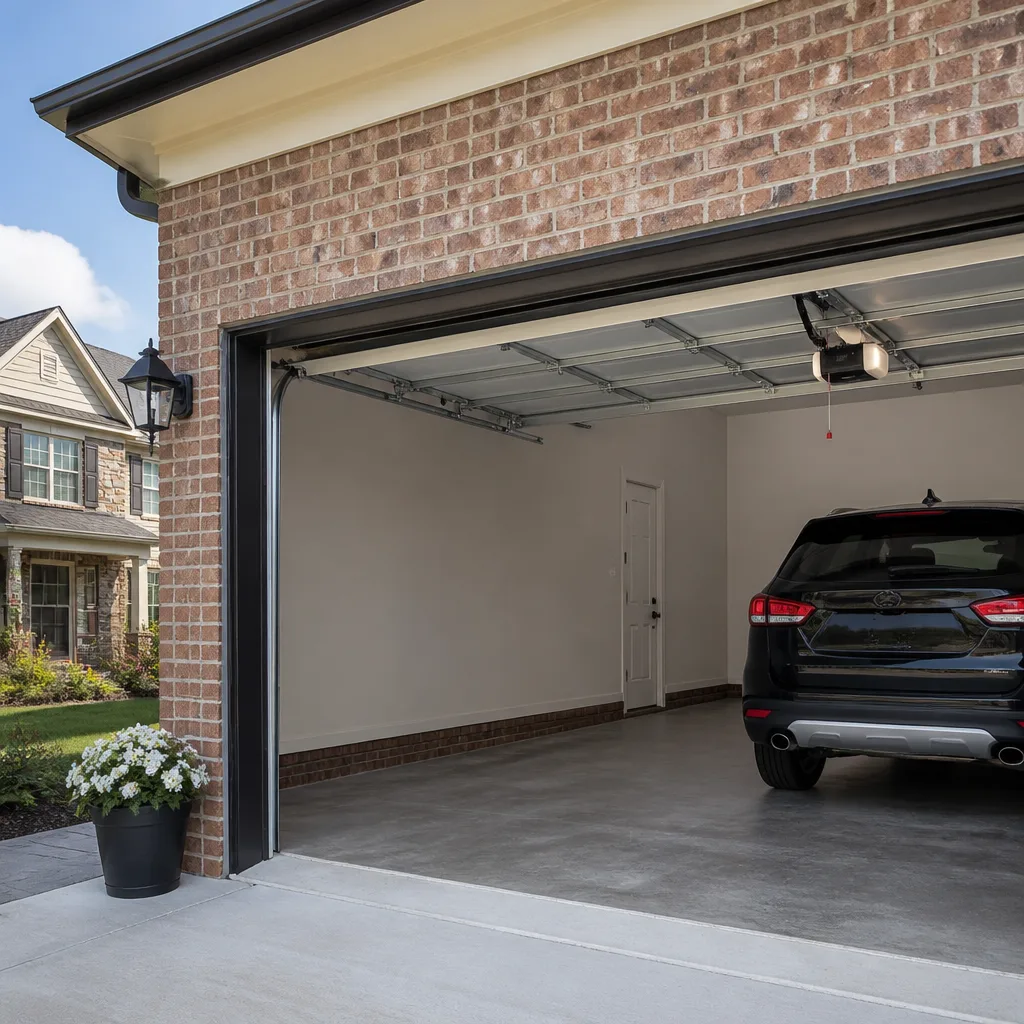 LiftMaster openers
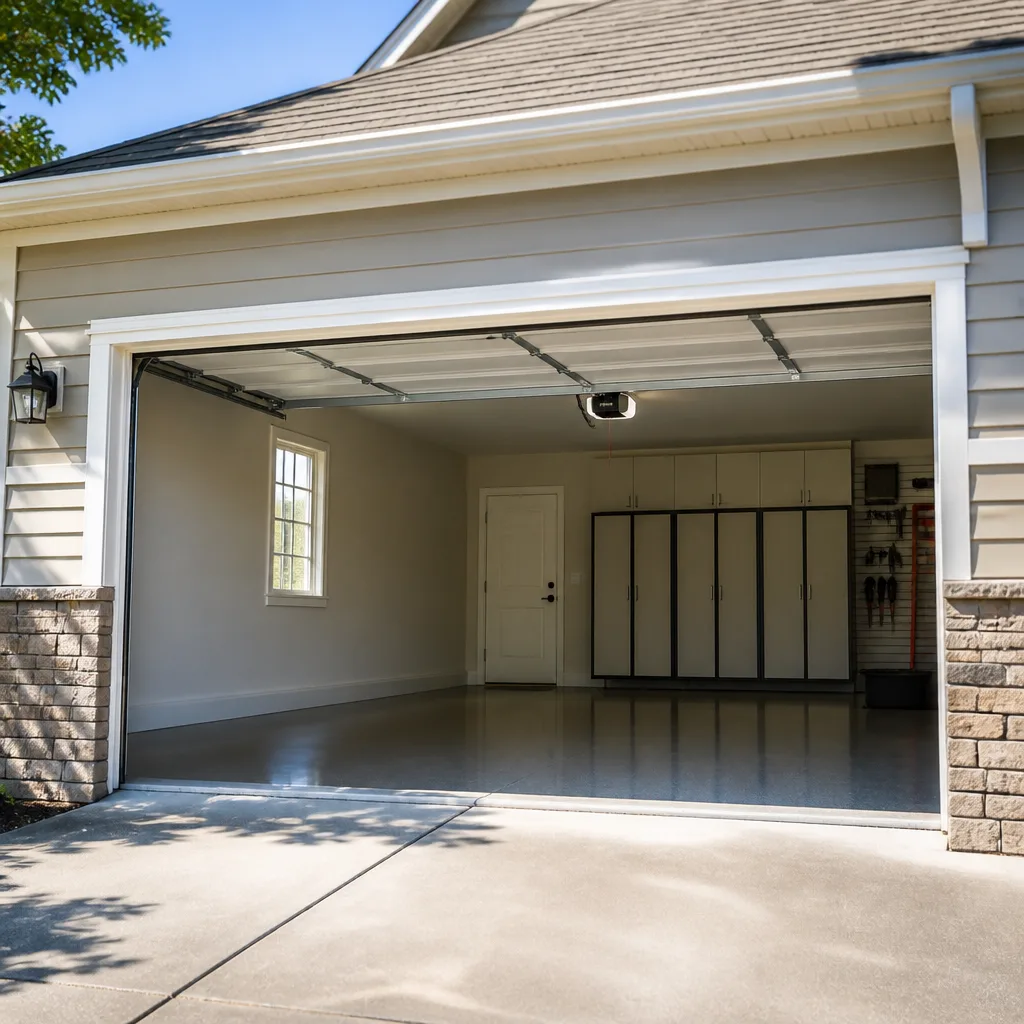 Chamberlain openers
Full 25-point door and opener safety check with every visit - springs, cables, rollers, tracks, and your LiftMaster or Chamberlain opener included
You get a price before we start. It does not change when the pro arrives.
Get your free estimateGarage Door Repair Maintenance Checklist for Lakewood Ranch Homeowners
The lubrication interval printed in your garage door manual was written for a temperate climate. In Lakewood Ranch, where summer humidity regularly tops 90% and afternoon storms drive moisture into every metal joint, that interval is roughly twice as long as it should be. Most homeowners here follow the factory schedule and wonder why their door starts groaning by August. This guide rebuilds the maintenance checklist around Florida conditions: a shorter lubrication cycle, a storm-season seal inspection, and a visual method for spotting cable and spring trouble without touching either. You’ll also learn how to test your opener’s sensitivity and how to catch a failing spring while the door still “works fine.”
Quick Answer
A garage door in Lakewood Ranch needs lubrication every three to four months instead of the twice-a-year schedule most manuals suggest, a weather seal check before and after storm season, a monthly safety-reversal test, and a visual inspection of cables and springs each season. Skipping these cycles in high humidity shortens the life of springs, rollers and opener gears. Any work on springs or cables belongs with a trained technician, never a DIY project.
Styles & brands we work with
- Raised-panel steel
- Carriage house
- Modern flush
- Full-view glass
- LiftMaster openers
- Chamberlain openers
Table of Contents
- Why a Florida Checklist Looks Different
- The Lakewood Ranch Lubrication Schedule
- Checking Cables and Springs Without Touching Them
- Weather Seal Inspection Tied to Storm Season
- Opener Sensitivity Testing in Florida Heat
- Tracking When Your Door Was Last Balanced
- The Seasonal Maintenance Calendar
- Common Mistakes to Avoid
Why a Florida Checklist Looks Different
Garage door manufacturers build their maintenance schedules around an average climate: moderate humidity, four distinct seasons, and a temperature range that swings widely but slowly. Lakewood Ranch doesn’t fit that profile. Summer dew points sit in the mid-70s, afternoon thunderstorms soak the door and its hardware several times a week from June through October, and the temperature inside an attached garage can climb well past what the outdoor reading suggests. Metal expands, lubricant thins, and moisture settles into every pivot point.
Those conditions change the failure pattern. In a dry climate, the first things to wear out tend to be rollers and hinges. Here, we see corroded cables, dry torsion springs that bind before they snap, and weather seals that harden and pull away from the frame within a couple of storm seasons. The hardware itself isn’t weak. The environment simply asks more of it.
That’s why a generic checklist copied from a manual or a big-box store handout underperforms in Lakewood Ranch. The intervals are wrong, and the items it emphasizes aren’t the ones that fail first here. Consider a few Lakewood Ranch neighborhoods where this matters: homes in Lakewood Ranch’s older villages often have original doors and openers approaching the end of their service life, while newer construction in communities like Del Webb and the villages east of Lorraine Road tend to come with builder-grade LiftMaster or Chamberlain openers that benefit from an early sensitivity check.
What follows is a checklist calibrated to those conditions. It’s built to be done in short sessions, mostly visual, with the hands-on work kept to lubrication and testing. Where a task involves the springs or cables, the checklist tells you what to look for and when to call someone, because that’s the honest boundary for a homeowner.
The Lakewood Ranch Lubrication Schedule
Plan on lubricating your door’s moving parts every three to four months in Lakewood Ranch, not the twice-a-year schedule most manuals assume. Humidity is the reason. Lubricant that stays put in a dry climate migrates and thins when the air is saturated, leaving metal-on-metal contact where you least want it.
Which product you use matters as much as how often. The wrong choice can actively cause rust in a high-dew environment.
- Use a silicone-based or lithium grease lubricant on hinges, rollers, and the torsion spring coils. These resist washing out in humidity and don’t attract grit the way oil-based products do.
- Avoid standard WD-40 as a lubricant. It’s a solvent, not a lasting lubricant, and it strips the protective film other products leave behind. In a humid garage, that leaves bare metal exposed.
- Skip anything labeled “penetrating oil” for ongoing maintenance. It’s useful for loosening a stuck bolt, but it doesn’t stay in place through a Lakewood Ranch summer.
- Never lubricate the tracks. Tracks should stay clean and dry. Grease in the tracks collects dust, grit, and debris, and rollers start dragging rather than rolling.
- Wipe before you apply. A rag pass removes the old film and any grit before fresh lubricant goes on.
Work through the points in order: hinges first (every hinge knuckle), then the roller stems and bearings (not the roller wheels themselves), then the torsion spring coils if your door uses them, then the opener’s rail and chain or belt. A full pass takes about fifteen minutes. On Genie and Chamberlain openers, check the owner’s manual for any part the manufacturer specifically says to leave dry, since some belt-drive systems are designed to run without added lubricant.
One habit that pays off here: lubricate just before storm season rather than waiting for a symptom. A door that starts squeaking in August usually needed attention in May.
Checking Cables and Springs Without Touching Them
You can spot most cable and spring problems with your eyes and ears, without putting a hand on either component. That matters, because garage door springs and cables are under extreme tension. A torsion spring can cause serious injury if it releases unexpectedly, and a cable under load can snap without warning. This is not a job for a homeowner, and no checklist should suggest otherwise. What you can do safely is inspect and report.
Here’s the visual inspection method we recommend:
- Look at the cables, not the door. With the door closed, check the cables that run down each side. You’re looking for fraying (broken strands sticking out like a frayed rope), kinks, or rust spots. Any of those means the cable needs a technician’s attention before it fails.
- Check the spring coils for gaps. On a torsion spring (the horizontal spring above the door), look for a visible gap of an inch or more in the coil. A gap means the spring has broken. Don’t run the door. Call for service.
- Listen for the sound. A spring that’s binding makes a sharp pop or creak during operation. A healthy spring is quiet. Noise plus a door that feels heavier than usual is a strong sign of trouble.
- Watch the door travel. If the door rises unevenly or one side lags, the springs or cables are out of balance. Stop using the door and have it checked.
- Never adjust tension, wind a spring, or try to re-seat a cable yourself. These are the tasks that send people to the emergency room.
In our experience across Lakewood Ranch, the combination of humidity and heat accelerates spring fatigue. A door that worked smoothly all winter can be a month from failure by late summer without any obvious warning. That’s why we treat garage door spring repair as a core specialty, not a sideline. Our technicians have up to 10 years of experience with both torsion and extension systems, and they know the brand-specific quirks of the springs used on Clopay and Amarr doors common in this area.
Weather Seal Inspection Tied to Storm Season
Inspect your garage door’s weather seal before storm season and again after it, rather than on a fixed calendar month. Lakewood Ranch homes take their worst beating from June through October, when wind-driven rain and blowing debris work on the bottom seal, the side jambs, and the top seal simultaneously. A seal checked in March can be failing by July.
Here’s what to check and when:
- Bottom seal (the rubber flap along the floor): Look for cracks, flattening, or gaps where light shows through under a closed door. A hardened seal lets water in and also lets cool air out, which shows up on your power bill.
- Side and top seals: Run a hand along the frame (not the moving parts) and feel for gaps or stiff, brittle material. Florida sun hardens rubber faster than most people expect.
- After every named storm: Walk the perimeter with the door closed and look for wind-driven debris caught in the seal or bent track.
Why the storm-season rhythm? Because the seal’s job is to keep out exactly the thing that arrives in June. A seal that’s marginal in May is a leak by August. If you notice water pooling inside the garage after a storm, the seal is the first place to look, followed by the door’s alignment. A door that’s off its track won’t seal correctly no matter how new the rubber is, which is one reason we handle garage door repair as a single call that covers both alignment and sealing.
Replacing a bottom seal is a reasonable homeowner task if you’re comfortable with it and the door is in good working order. Replacing side and top seals, or dealing with a door that won’t close flush, is worth a professional look.
Opener Sensitivity Testing in Florida Heat
Test your opener’s safety reversal every month. In Lakewood Ranch, heat is the most common cause of false-reversal failures, more so than any mechanical problem. The opener’s sensitivity settings and the door’s travel limits drift as temperatures climb, and a door that reverses for no apparent reason in July is usually a sensitivity issue, not a broken sensor.
Here’s the monthly test, which takes about two minutes:
- Place a small object (a roll of paper towels works well) flat on the floor in the door’s path.
- Close the door using the opener. It should reverse on contact with the object. If it doesn’t, stop and address it before using the door again.
- Test the photo-eye sensors by passing an object through the beam while the door is closing. The door should reverse immediately.
- Check the force settings if the door reverses on its own during normal operation in hot weather. On LiftMaster and Chamberlain models the adjustment dials or buttons are usually on the back or side of the motor housing. Follow the manual for your specific model.
Heat affects two things at once: the door’s balance (metal expands and springs behave differently) and the opener’s electronic sensitivity. When a door that worked fine in spring starts reversing in summer, the cause is often balance, not the opener. That’s a reason to have the door checked rather than turning up the force setting, which masks the real problem and puts strain on the opener’s gears.
If your opener is older and the sensitivity keeps drifting even after adjustment, it may be time for garage door opener repair or replacement. We work on the brand already in your garage, whether that’s a Genie, a Chamberlain, or one of the other major manufacturers we’re certified to service.
Tracking When Your Door Was Last Balanced
A door that “works fine” can still be one month from a spring failure. Balance is the leading indicator, and most homeowners never check it because the door appears to function. Here’s the disconnect: a door can lift and lower under opener power long after its springs have weakened, because the opener is doing work the springs should be doing. By the time the door feels heavy, the springs are well past their useful life.
Test balance safely, with the door disconnected from the opener:
- Close the door fully.
- Pull the manual release cord (the red handle) to disconnect the opener. The door should now move by hand.
- Lift the door to about halfway and let go. A balanced door stays put, or drifts only slightly. A door that drops or rises on its own is out of balance.
- Reconnect the opener by running it until it engages the trolley, or follow the manual for your model.
Do this check every three months, and write the date on a piece of tape inside the garage so you’re not guessing. If the result ever changes – a door that held steady in spring now drifts in fall – the springs have lost tension and should be looked at by a technician. This is the single most useful habit on the whole checklist for avoiding a surprise failure.
One caution: don’t do this test if you’ve already noticed a broken spring, a frayed cable, or a door that’s visibly off its track. In those cases, keep the door closed and call for service. If you’re unsure, the safest bet is a professional inspection. When a door does fail, our emergency garage door service exists for exactly that situation, because a garage door that won’t close leaves a home unsecured.
The Seasonal Maintenance Calendar
The simplest way to stay ahead of garage door problems in Lakewood Ranch is to tie maintenance to the seasons rather than to a rigid monthly schedule. Here’s how the year breaks down for a typical Lakewood Ranch home.
- Spring (March to May): Lubricate all moving parts, test the safety reversal, check the balance, and inspect the weather seal ahead of storm season. This is the tune-up that carries you through summer.
- Early summer (June): Re-check seals as the rainy season begins. Confirm the door closes flush and the sensors are clear.
- Mid-summer (July to August): Expect sensitivity drift in the heat. Re-test the reversal monthly and lubricate again if the door gets noisy. Listen for spring noise.
- Late storm season (September to October): Inspect seals and tracks after storms, clear debris, and check cables for rust or fraying.
- Fall and winter (November to February): The mildest stretch. Use it to lubricate, check the balance, and address any wear you noticed over the summer before it becomes a failure.
That’s four lubrication passes and two seal inspections a year, plus monthly safety tests. Total hands-on time is modest. What you get is a door that doesn’t fail on a Sunday afternoon in the middle of storm season, when getting it fixed is most disruptive.
Common Mistakes to Avoid
- Following the manual’s lubrication interval literally. Twice a year is fine in a dry climate. In Lakewood Ranch humidity, it leaves moving parts dry for months at a time. Every three to four months is the realistic schedule here.
- Using WD-40 as a lubricant. It’s a solvent. It can strip protective films and leave metal exposed to the moisture that’s already in the air. Use silicone-based or lithium grease on the moving parts instead.
- Greasing the tracks. Tracks should be clean and dry. Grease collects grit and debris, and rollers start dragging. Clean them with a rag, don’t lubricate them.
- Turning up the opener’s force setting to fix a reverse problem. If the door reverses in hot weather, the cause is usually balance. Increasing force masks it and stresses the opener. Have the door checked.
- Touching the springs or cables to “just see” if they’re tight. They’re under extreme tension. A spring or cable can release with enough force to cause serious injury. Visual inspection only.
- Assuming a working door means healthy springs. An opener can lift a door long after the springs have weakened. The balance test is the only reliable indicator, and most homeowners skip it.
- Inspecting seals only in spring. The seal’s real test is storm season. Check it again in fall, after the summer’s wind-driven rain and debris have done their work.
See the difference
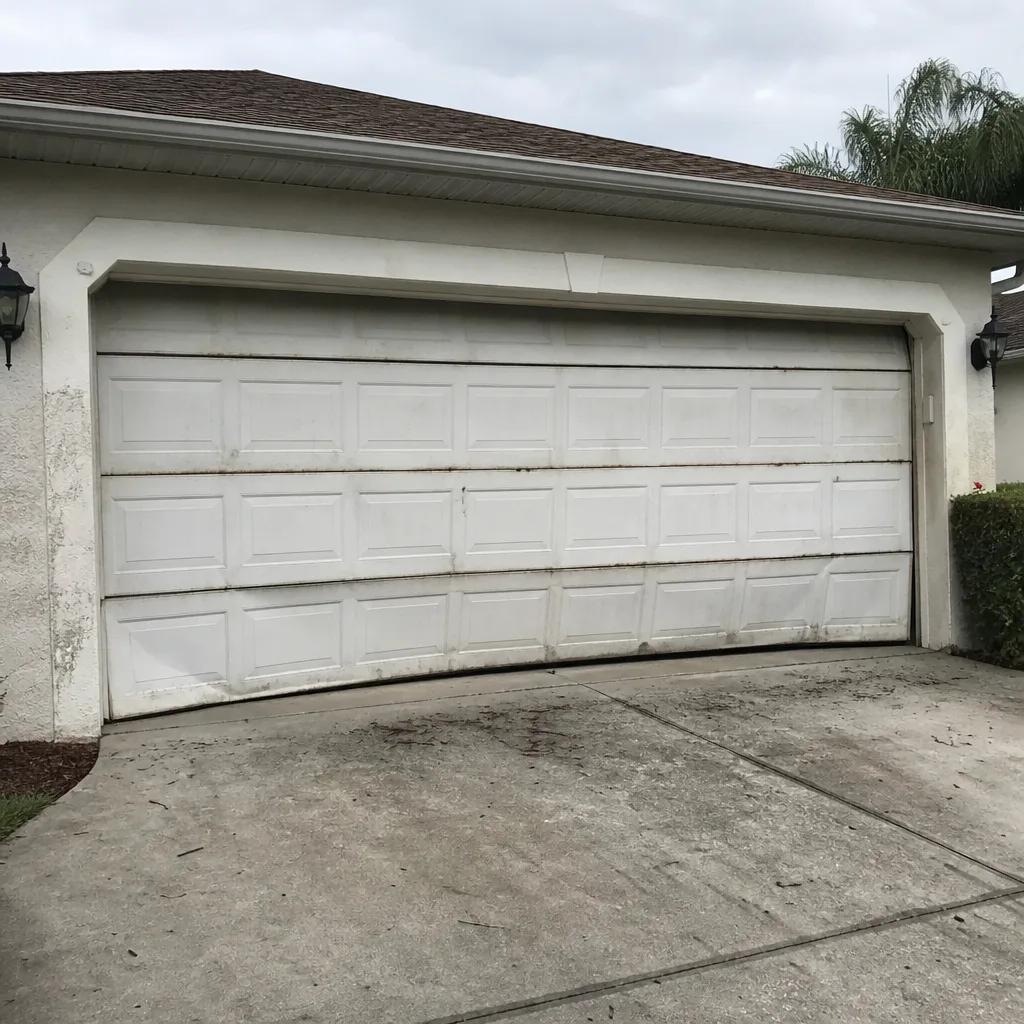 Before
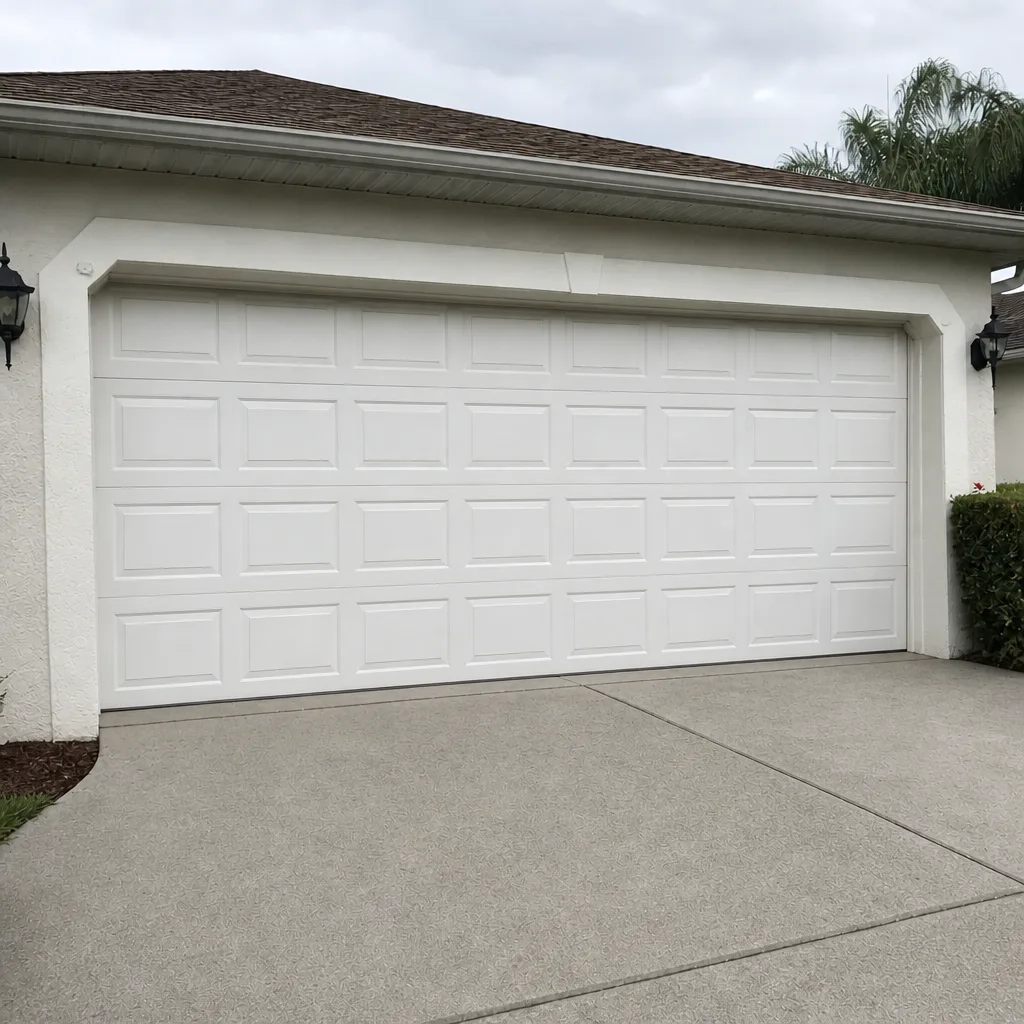 After
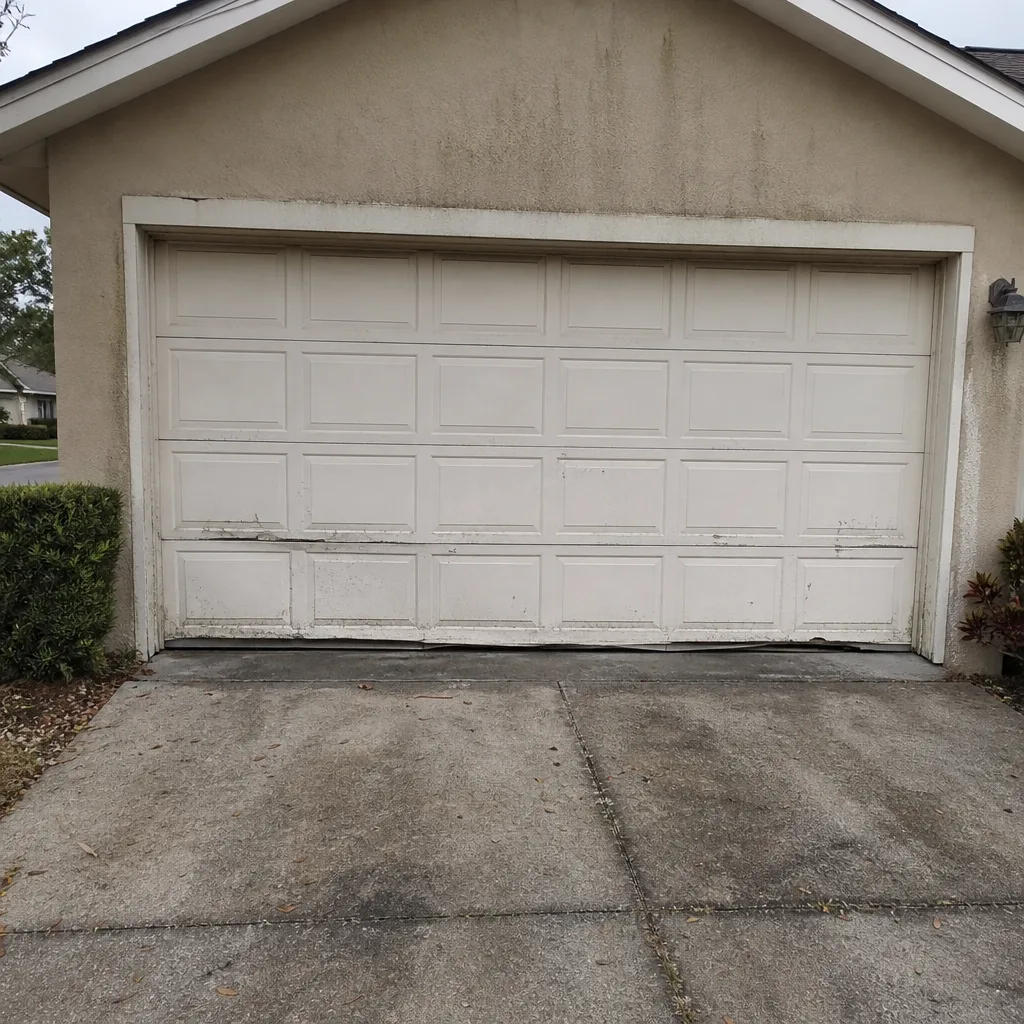 Before
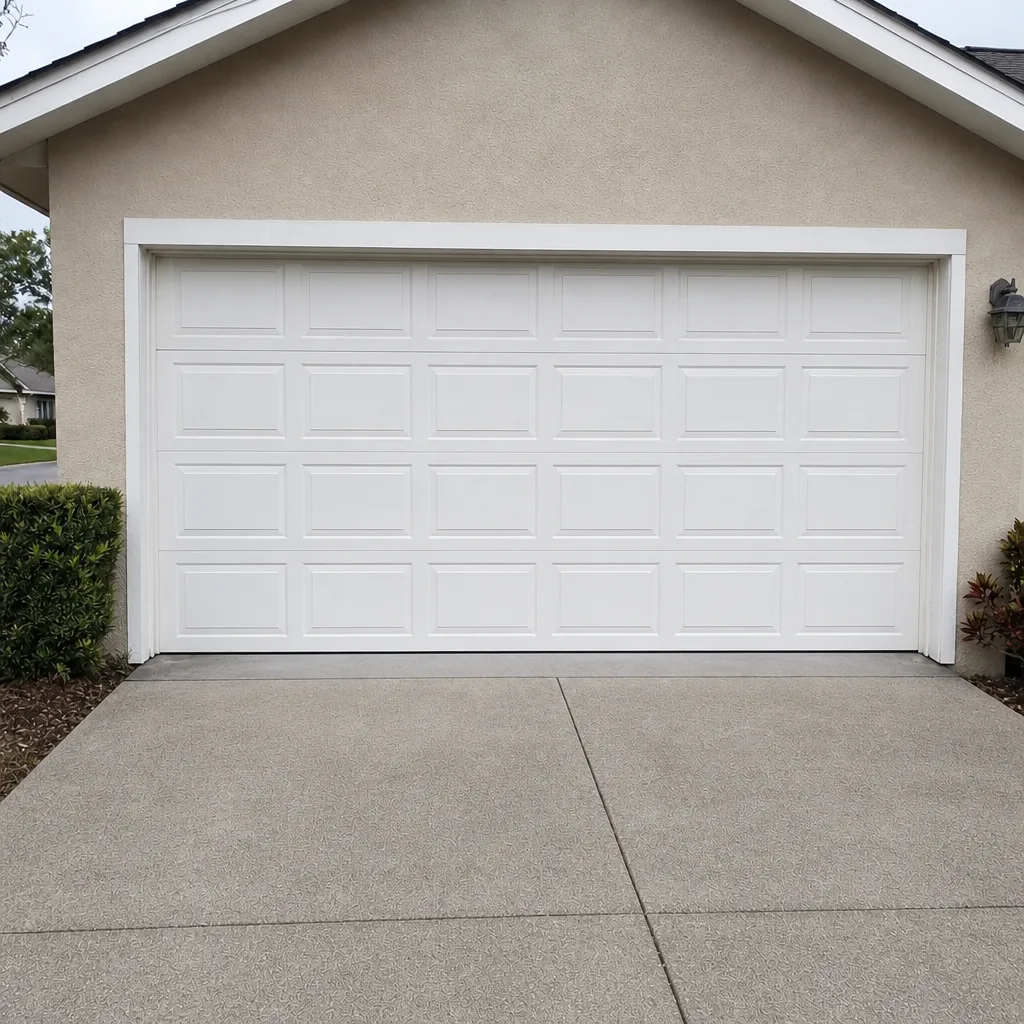 After
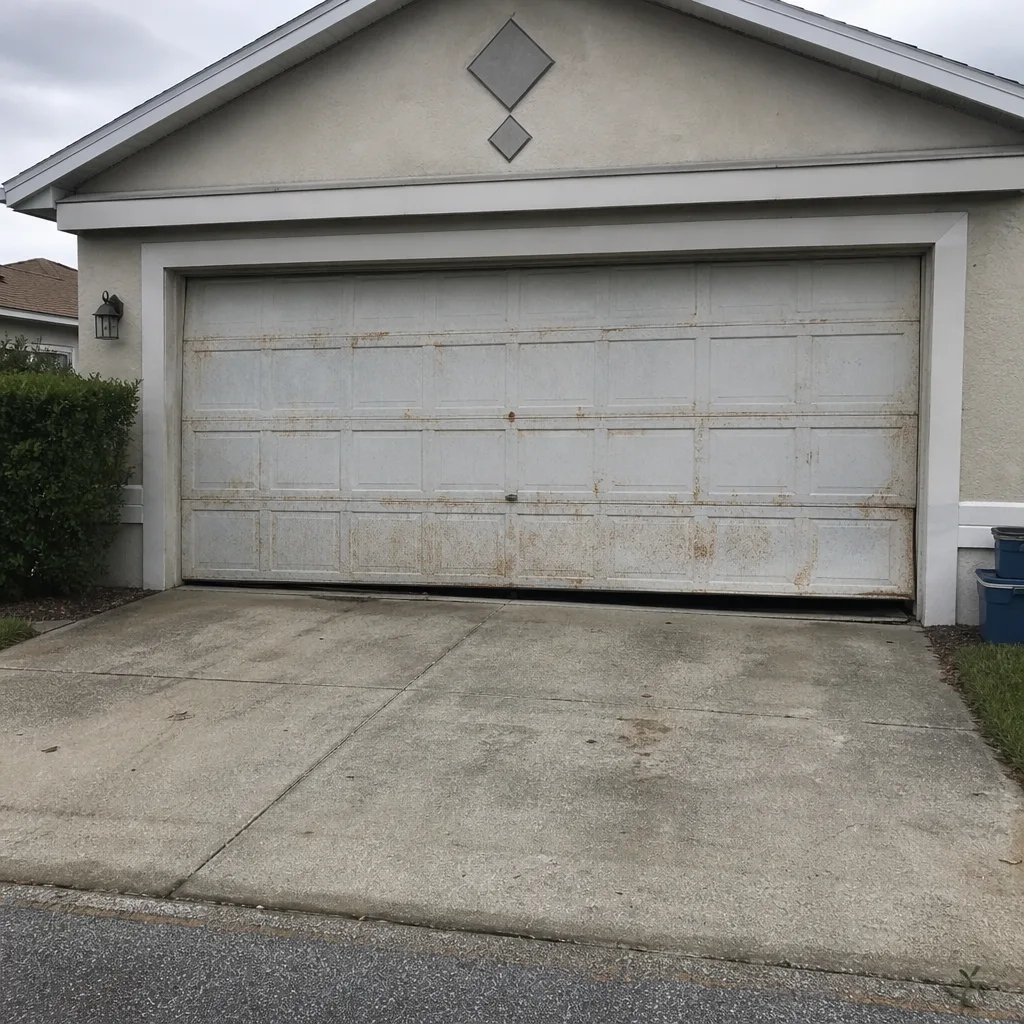 Before
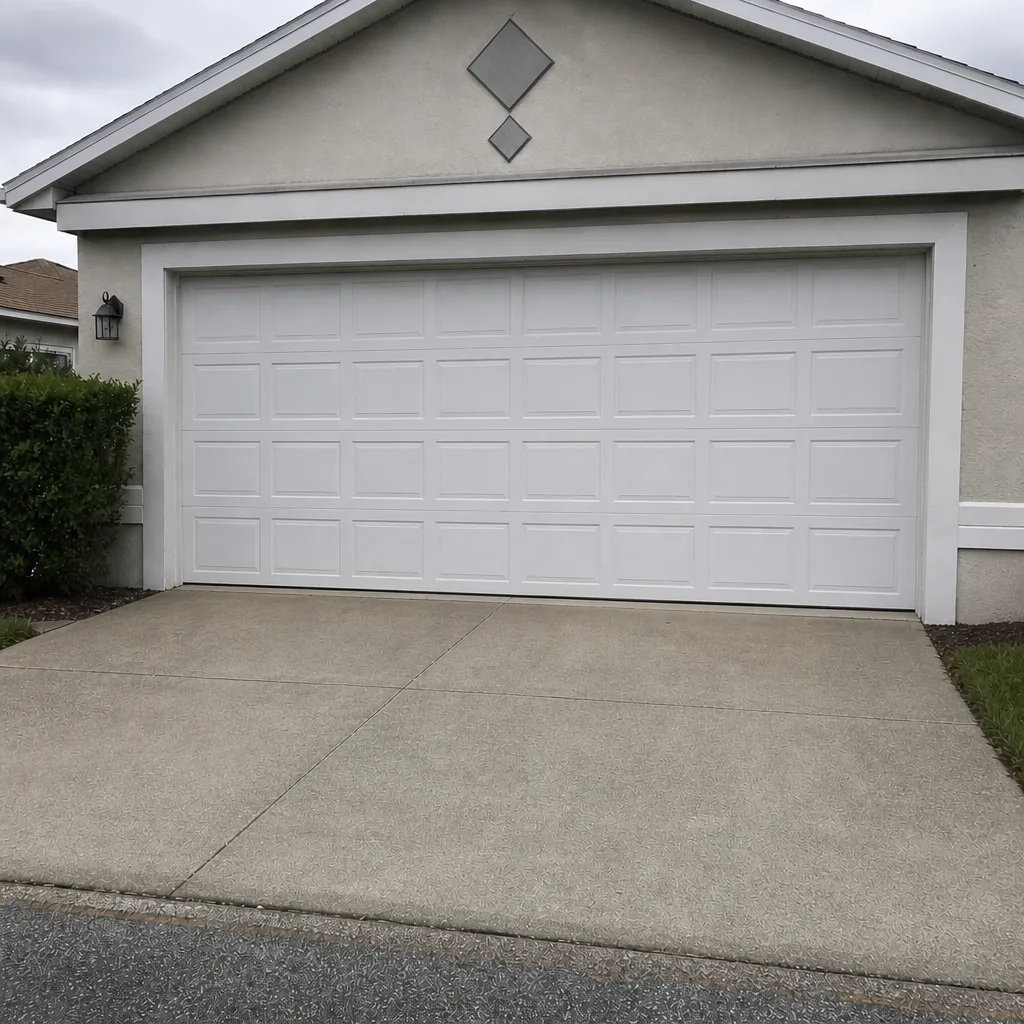 After
When to Call a Professional
Some garage door problems are maintenance. Others need a trained technician, and knowing the difference protects both your door and your safety. Call a professional if you notice a broken spring (a gap in the coil), a frayed or rusted cable, a door that’s off its track or hangs unevenly, an opener that reverses without cause after adjustment, or a door that fails the balance test and won’t hold position. Also call if you see a visible gap between the door and floor that a new seal won’t fix, since that usually signals an alignment issue.
For anything involving springs or cables, stop using the door and get it checked. We work on the exact system in your garage, whether it’s a LiftMaster, Chamberlain, Genie, Clopay, Amarr, or one of the other brands we’re certified to service. Lakewood Ranch Garage Door Repair offers free estimates in Lakewood Ranch. Call (855) 337-2033 and we’ll tell you what needs doing, what it costs, and when we can get to it. The price is quoted and agreed before any work starts, so there’s no surprise invoice later.
Frequently Asked Questions
Every three to four months, four times a year, rather than the twice-a-year interval in most manuals. The high humidity in Lakewood Ranch thins and migrates lubricant faster than a dry climate would, so the moving parts need attention more often. Use a silicone-based or lithium grease product, and never use standard WD-40 as a lasting lubricant. Call (855) 337-2033 if you’d like a technician to check the door’s condition.
Spring replacement is priced per spring, and a matched pair is usually replaced together, so plan on roughly twice the single-spring estimate if both need replacing. Because the price depends on the spring type, door size, and system, we quote after inspecting the door. The written estimate is the final price, and nothing starts until you agree to it. Call (855) 337-2033 for an exact quote, since estimates are free.
You can inspect them visually, but never touch them. Look for a visible gap in the torsion spring coil (a sign it’s broken), broken strands on the cables, and listen for popping or creaking during operation. Springs and cables are under extreme tension and can cause serious injury if handled by someone without training. If you see a problem, keep the door closed and call a technician. Call (855) 337-2033 for an inspection.
Heat is the most common cause of false-reversal in Lakewood Ranch. High temperatures cause the door’s balance and the opener’s sensitivity settings to drift, so a door that worked fine in spring can start reversing in July. First check the photo-eye sensors for obstruction, then test the door’s balance. If it reverses after adjustment, the likely cause is weakened springs or an alignment issue, not the opener. Call (855) 337-2033 to have it checked.
No. We inspect the door, quote a price, and the written estimate is what you pay. Any work is agreed before it starts. If the inspection turns up something unexpected, we tell you before we touch the door, not after. Call (855) 337-2033 for a free estimate.
The local professionals we connect you with are licensed and insured as their state requires. Our technicians have up to 10 years of experience and are trained specifically on torsion and extension spring systems, along with the major brands we service. Call (855) 337-2033 to book an inspection or repair.
The Bottom Line
The core message of this checklist is that your garage door’s factory maintenance schedule was written for a different climate. In Lakewood Ranch, humidity and storm season shorten every interval that matters: lubricate every three to four months, inspect seals before and after storm season, test the opener’s safety reversal monthly, and check the door’s balance every three months. Keep the spring and cable work visual-only, and call a specialist when something looks wrong. Our technicians have up to 10 years of experience, and every service we offer is garage door only. If you’d rather have it checked by a trained eye, Lakewood Ranch Garage Door Repair is one call away.
One call covers repair, opener service, spring work, and installation, so you’re not chasing down a handyman for one problem and a specialist for another. Call (855) 337-2033 for a free estimate, and back up and running today becomes the plan rather than the hope.
Written by the team at Lakewood Ranch Garage Door Repair.