Last updated November 20, 2026
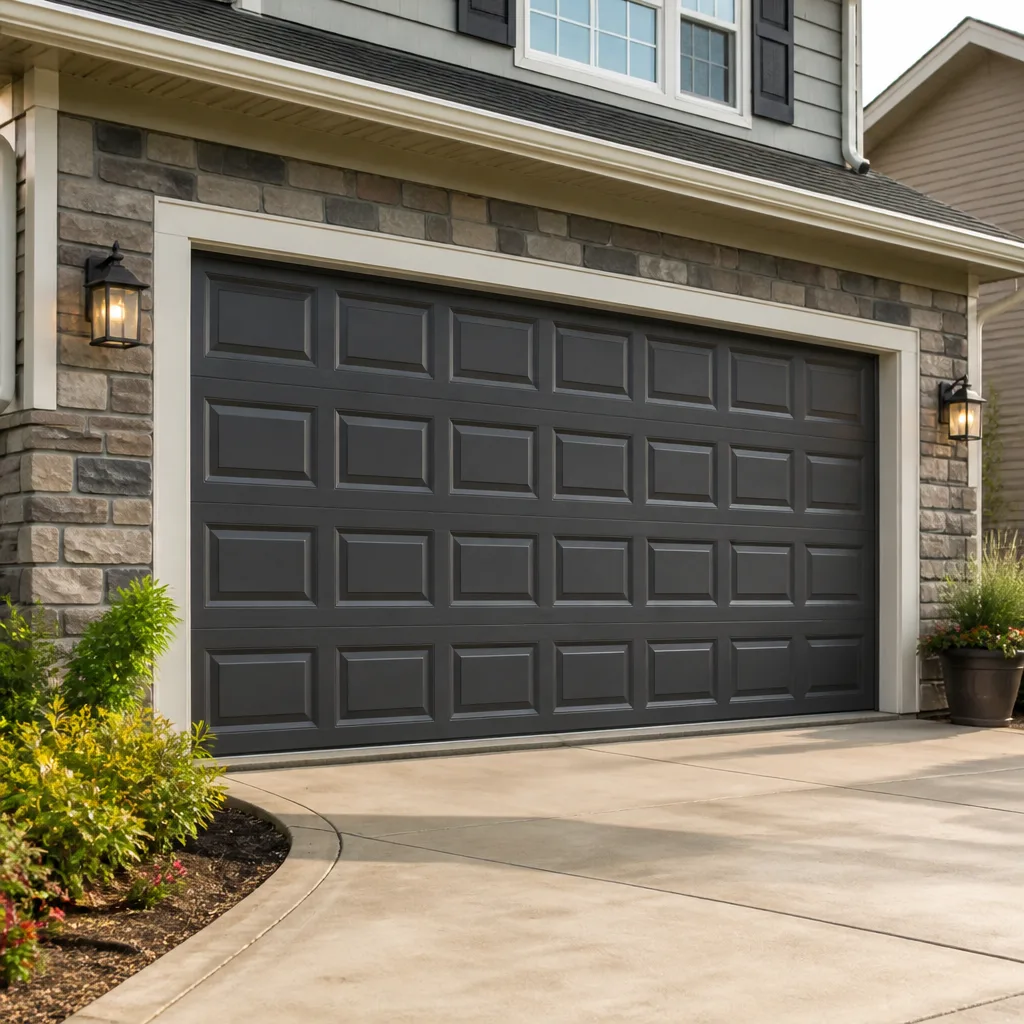 Raised-panel steel
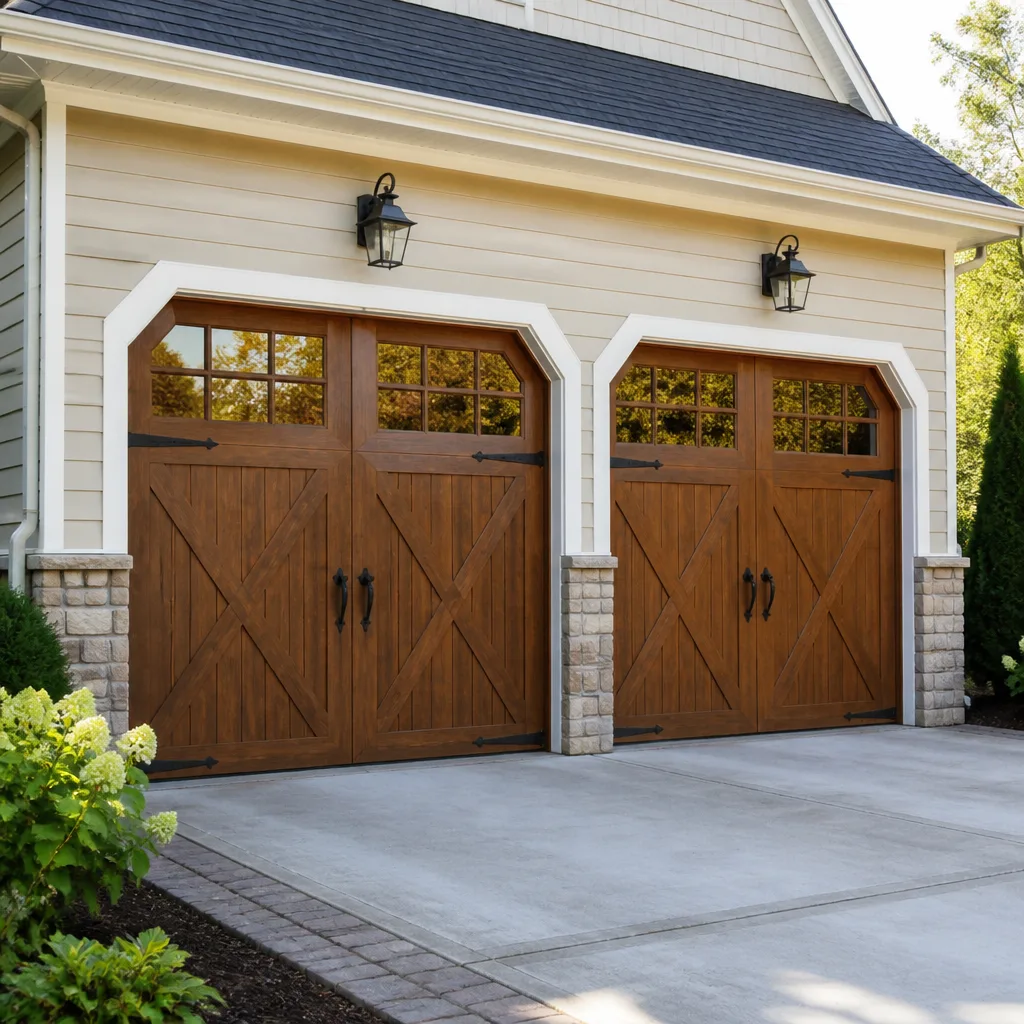 Carriage house
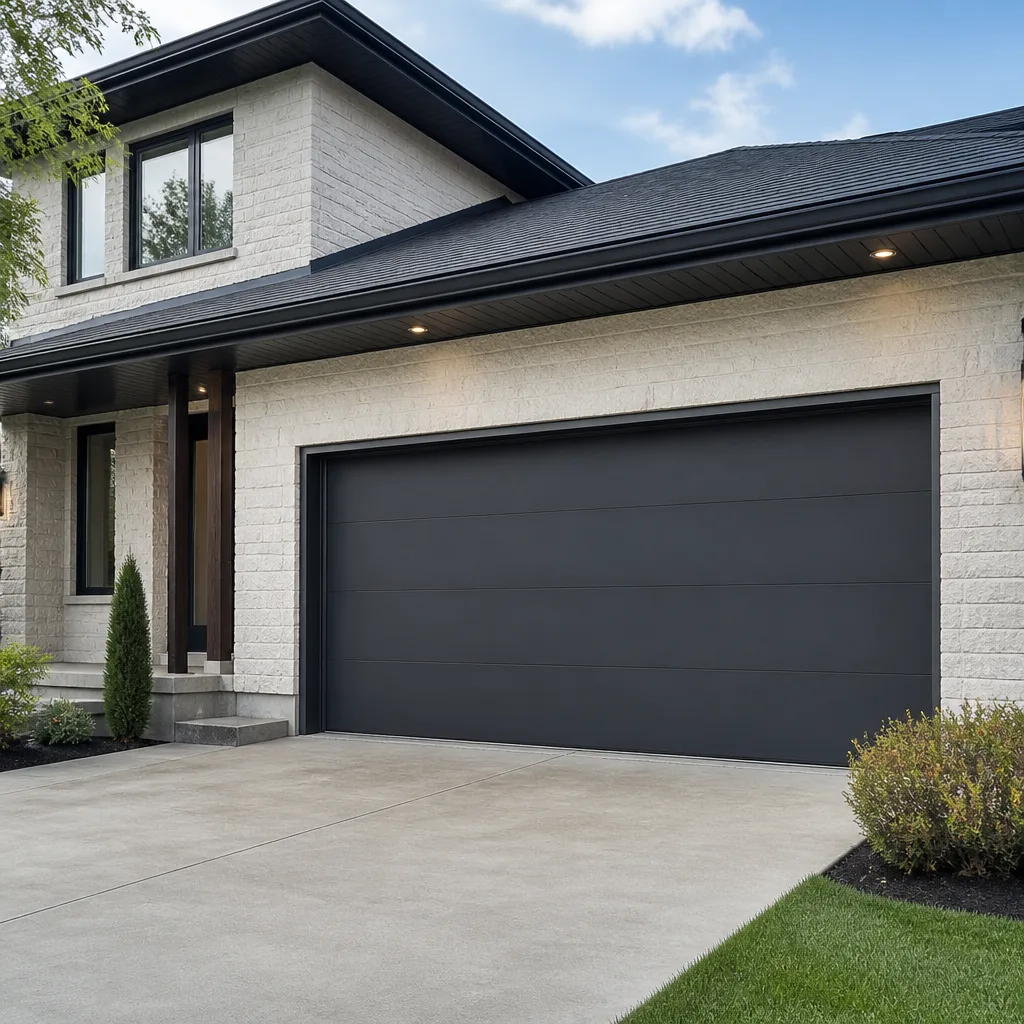 Modern flush
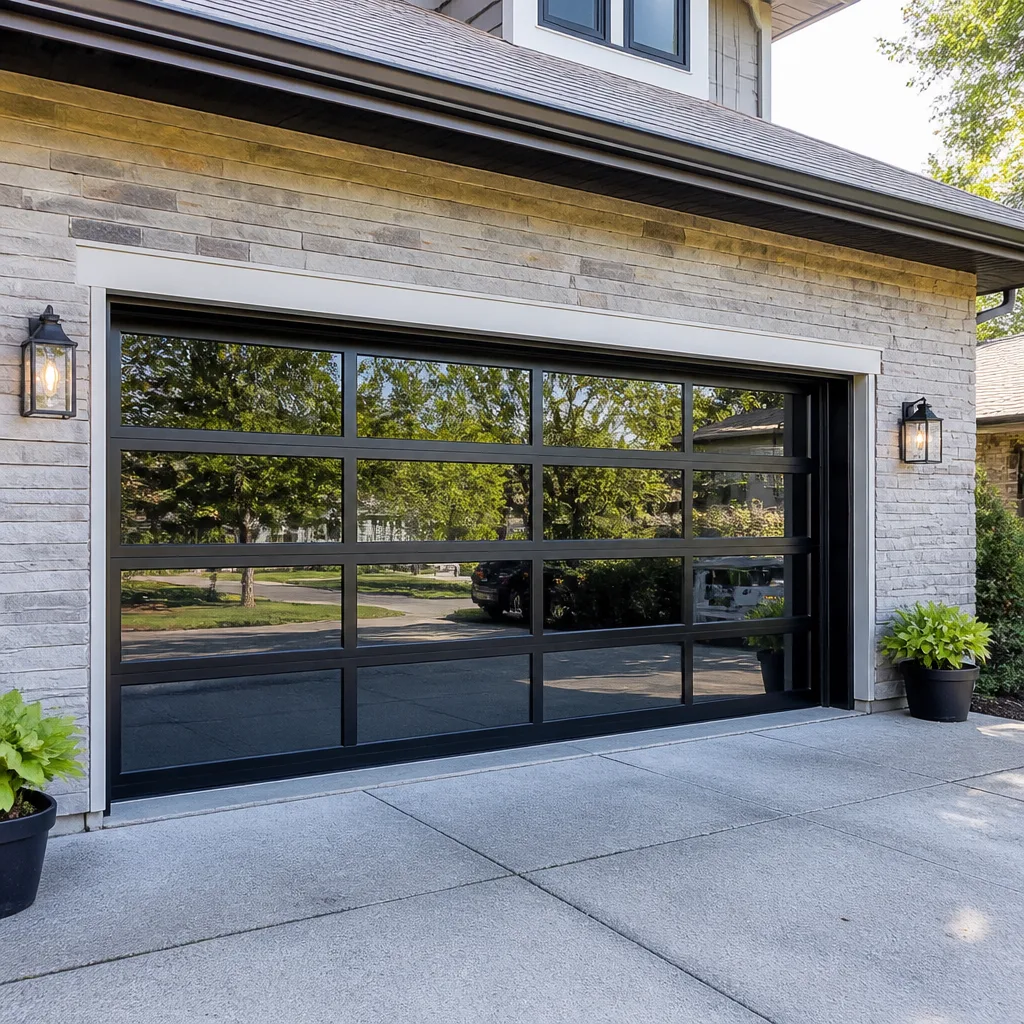 Full-view glass
 LiftMaster openers
 Chamberlain openers
Full 25-point door and opener safety check with every visit - springs, cables, rollers, tracks, and your LiftMaster or Chamberlain opener included
You get a price before we start. It does not change when the pro arrives.
Get your free estimateGarage Door Permits, Codes & Inspections in Lakewood Ranch, FL: What You Need to Know
Most homeowners think a garage door replacement is like swapping a refrigerator: bought, delivered, installed, done. It isn’t. A garage door is a structural opening in an exterior wall, and in Florida it’s treated that way. Here’s the part that surprises people in Lakewood Ranch: the penalty for skipping the permit usually doesn’t hit you on install day. It waits years, quietly, until a buyer’s inspector writes “unpermitted alteration” on a report and your closing stalls. This guide covers when Manatee and Sarasota County require a permit, what the wind-load rules actually mean, how to check a door’s permit history before you buy, and what the inspection really looks at.
Quick Answer
In most cases, replacing a garage door in Lakewood Ranch requires a building permit, even when the new door is the same size as the old one. That’s because Florida treats the door as part of the home’s wind-load envelope, and any change to the rated assembly has to be documented and inspected. A permit pulls the county record that a buyer’s title search and inspector will later look for, so skipping it is the expensive shortcut.
Styles & brands we work with
- Raised-panel steel
- Carriage house
- Modern flush
- Full-view glass
- LiftMaster openers
- Chamberlain openers
Table of Contents
- When Is a Permit Required in Lakewood Ranch?
- Manatee County vs. Sarasota County: The Difference Most Contractors Skip
- Wind-Load Ratings and What “Large Missile Impact” Actually Means
- How to Check a Door’s Permit History Before You Buy
- The Inspection Sequence: What the Inspector Checks
- What a Failed Inspection Requires
- HOA Approval vs. County Permit: Why You Need Both
- Repair, Replacement, or New Opener: Which Triggers a Permit?
When Is a Permit Required in Lakewood Ranch?
The broad answer: a full garage door replacement almost always needs a permit, and routine repairs usually don’t. The line in between is where the confusion lives, so here’s how to think about it.
Florida’s building code treats the garage door as an exterior wall opening that contributes to the structural and weather-tight envelope of the home. When you replace the door itself, or replace the door plus the tracks and hardware that anchor it, you’re changing that assembly. That’s permit territory in nearly every jurisdiction in the state, including Lakewood Ranch.
What typically does not require a permit:
- Replacing one or a pair of broken springs on an existing door and system
- Swapping an opener, even when the technology changes (belt, chain, screw, smart opener)
- Replacing rollers, hinges, cables, or the bottom seal
- Adjusting the door’s travel limits or re-balancing a door that’s still on its original hardware
What typically does require a permit:
- Full door replacement, including same-size swap-outs
- Any change to the door’s opening size or headroom configuration
- Changes to the anchoring, track, or wind-load hardware that the door’s rating depends on
- Replacing a non-rated door with a rated one, or vice versa
The trap: because springs, openers, and rollers account for most garage door calls, homeowners assume the same “no permit needed” logic applies to a whole door. It doesn’t. If a contractor tells you a full replacement in Lakewood Ranch doesn’t need a permit, that’s worth a second opinion from the county.
Manatee County vs. Sarasota County: The Difference Most Contractors Skip
Lakewood Ranch straddles two counties, and that has real consequences for permits. Some addresses are in Manatee County, some in Sarasota County, and the two operate on separate review processes and separate records systems. A contractor working on autopilot from a neighboring county may apply the wrong one.
The practical differences homeowners in Lakewood Ranch should be ready for:
- Two separate application portals. Manatee and Sarasota each have their own building department and permit tracking. There’s no shared record.
- Product submittals. Both counties typically want documentation proving the door’s wind-load rating – manufacturer spec sheets, a Florida product approval number, or a signed installation method approved for the wind zone.
- Contractor licensing. The permit has to be pulled by a contractor licensed to do garage door work in that county. Verify the license on the state database before anything gets scheduled – it takes two minutes and it’s the single most useful check you can do.
The threshold isn’t always “replacement vs. repair.” A change to the anchoring system or the track on an existing door can shift work from repair to permit-required in either county, even when the door itself stays. If you’re on the fence, call the county building department directly with your address and the exact scope of work. That call is free, and it settles the question better than any contractor’s opinion.
Once the permit is issued and the door is set, the inspection is the step that actually closes the loop. We’ve seen homeowners treat the inspection as a formality and then discover it’s the entire point of the permit.
Wind-Load Ratings and What “Large Missile Impact” Actually Means
Florida’s wind-load rules for garage doors are among the strictest in the country, and the garage door is usually the largest opening on the front of a home, so it gets special attention. The rating you’ll see on a compliant door in Lakewood Ranch typically references the home’s design wind speed and a missile impact standard. “Large missile impact” is the phrase that shows up most often, and it’s specific: the door has to withstand impact from a large, heavy projectile, not just wind pressure alone.
Why it matters for a homeowner, not just an engineer:
- It’s part of your wind insurance picture. Some carriers ask about the rating on exterior openings. Yours may not, but the door’s rating should still be documented.
- It’s tied to the door AND the hardware. A rated door on the wrong anchors or the wrong tracks doesn’t meet the rating. The door, track, and anchoring all have to match the product approval.
- It’s closed with documentation. The rating has to be provable at permit time and after the inspection, which is why counties ask for product approvals before they issue the permit.
What this means for a Lakewood Ranch replacement: if the existing door doesn’t carry a current rating, the replacement needs to be brought up to the standard for that address and design wind speed. If it does, the replacement should match it. Either way, the permit and the inspection are what make the rating enforceable. For more on this, see our guide to garage door repair.
Because the wrong door is the wrong rating, brand familiarity matters on the install side. We work with LiftMaster, Chamberlain, Clopay, Amarr, Wayne Dalton, Raynor, Craftsman, and Genie, and we match the door and the system to what the address actually requires.
How to Check a Door’s Permit History Before You Buy
This is the single most useful five-minute task a Lakewood Ranch buyer can do during due diligence. The permit history of the garage door is part of the permit history of the house, and the county keeps it.
- Identify the county. Confirm whether the address is in Manatee or Sarasota County. If you’re unsure, the property appraiser’s website will tell you.
- Find the property record. Search the property appraiser’s site for the address and pull the parcel record.
- Go to the county building department’s permit search. Use the parcel number or the address to pull the permit history.
- Look for a garage door or “door replacement” permit. If the door appears to be newer than the house, there should be a permit for it.
- Check the inspection status. A permit that was issued but shows no final inspection is a red flag. It means the work was likely never signed off.
- If there’s no permit, ask the seller to produce documentation. A manufacturer spec sheet and install receipt help, but they don’t replace a county permit.
- Get a written answer from your agent about who’s responsible if it’s unpermitted. Usually negotiated, but only if you raise it early.
If the record search shows an expired or “ferred” permit, the buyer can sometimes have the work re-inspected rather than redone, but only if the installation matches an approved product. Newer replacements that conform get straightened out more easily. Older, mismatched, or non-rated doors often don’t.
For a broader look at which issues show up in older Lakewood Ranch homes, see Lakewood Ranch Garage Door Repair.
The Inspection Sequence: What the Inspector Checks
The inspection is one visit, and it’s not a certification of your specific door’s warranty. It’s a check that the work complies with the permit.
Typically the sequence looks like this:
- Pre-inspection. The permit is issued before any work begins. Some work can’t start until the permit exists, and the contractor should have it before the door is ordered in most cases.
- Installation. The door, tracks, and anchoring are installed as described in the permit submittal.
- Final inspection request. The contractor requests the inspection through the county portal once the door is set and adjusted.
- On-site inspection. The inspector reviews the installation against the permit and the product approval.
- Pass or correction notice. Either the permit is closed with a final inspection recorded, or the inspector issues a correction list.
What the inspector is checking for, at the practical level:
- Door and hardware match the permitted product
- Anchoring, tracks, and wind-load hardware are installed as specified
- Safe operation and door balance
- Any required opener safety devices are in place
- Setback, clearance, and headroom match the install method on the permit
Once the final inspection is recorded, the door has a paper trail. That single fact is what prevents the closing-day surprise.
What a Failed Inspection Requires
A failed inspection isn’t necessarily a disaster, but it is the exact scenario people want to avoid because it means the door has to be re-examined rather than just signed off.
What a correction notice usually means:
- Something in the install doesn’t match the permit. Usually wrong anchors, wrong track, or the door as installed isn’t the door the permit describes.
- The contractor corrects and re-requests. There may be a reinspection fee. The county issues the correction, the work gets fixed, and the inspector comes back.
- Sometimes the correction is a documentation issue, not an install issue. A missing product approval can stall a passing installation.
What you don’t want: a door that was installed without any permit at all. There’s no inspection to fail and no reinspection to request. The county treats it as unpermitted work, and that follows the house until it’s resolved. Closing can’t always proceed until it is.
This is the real reason we make brand familiarity a core part of our install work. Matching a door to the permit that legally covers it is harder when the installer doesn’t know the manufacturer’s documentation system. For our part, we work across garage door opener repair and full installs because the two decisions are tied together – the door and the opener arrive as one assembly, and the permit covers the assembly.
HOA Approval vs. County Permit: Why You Need Both
Lakewood Ranch has neighborhood-level HOA review for exterior changes, and the HOA approval has nothing to do with the county permit. You need both, and one doesn’t substitute for the other.
Roughly, here’s the difference:
- HOA review is about appearance, consistency, and the community’s design standards: color, panel style, window pattern, sometimes brand or model restrictions.
- County permit is about safety, structural compliance, and the wind-load envelope.
The order matters. Get HOA approval for the door you plan to install before you order it. Then apply for the county permit with the approved product. Reversing that order is where people get stuck: the door gets ordered, the HOA rejects the color, and now the permit describes a door you can’t install.
Lakewood Ranch has multiple HOA structures and they don’t all operate the same way. Ask the community association directly for the current design review process, and expect the answer to take a couple of weeks. That timeline is the reason a same-week replacement isn’t realistic here, no matter who does the work.
Repair, Replacement, or New Opener: Which Triggers a Permit?
This is where most homeowner questions land, and it’s where “it depends” is genuinely the right answer. The rough version:
- Springs: no permit in either county. Spring repair is a repair, not an alteration. It’s also dangerous work and belongs with a technician trained on torsion and extension systems. See garage door spring repair for the specifics.
- Opener replacement: usually no permit. Opener work doesn’t change the wind-load envelope.
- Rollers, hinges, cables, seals: no permit.
- Full door replacement, same size: permit required in most Lakewood Ranch cases.
- Door plus tracks and anchoring: permit required.
- Any change to the opening or the rated assembly: permit required, and usually a design review with the HOA as well.
If you’re not sure, call the county. That phone call is the cheapest step in the entire process.
Common Mistakes to Avoid
- Treating a same-size swap-out as a repair. A replacement door is a new assembly, and in Lakewood Ranch that almost always means a permit. The size doesn’t determine the permit; the work does.
- Ordering the door before HOA sign-off. Lakewood Ranch HOA reviews take time, and a rejected door is often non-returnable. Secure approval first, then order.
- Skipping the permit because the old door was unpermitted. Two wrongs compound. If the existing door has no record, the replacement is the fix, not the problem.
- Hiring a contractor who won’t sign the permit application. A legitimate contractor pulls the permit under their own license. If the contractor asks the homeowner to pull it as an “owner-builder,” ask why.
- Assuming the existing door is rated. Many older doors predate the current wind-load requirements for the address. The new door has to meet the current standard, not match the old one, if the old one is deficient.
- Leaving an issued permit without a final inspection. During resale, an open permit is its own complication. Make sure it closes.
- Treating HOA approval as if it satisfied the county. They’re separate systems; one doesn’t count for the other.
See the difference
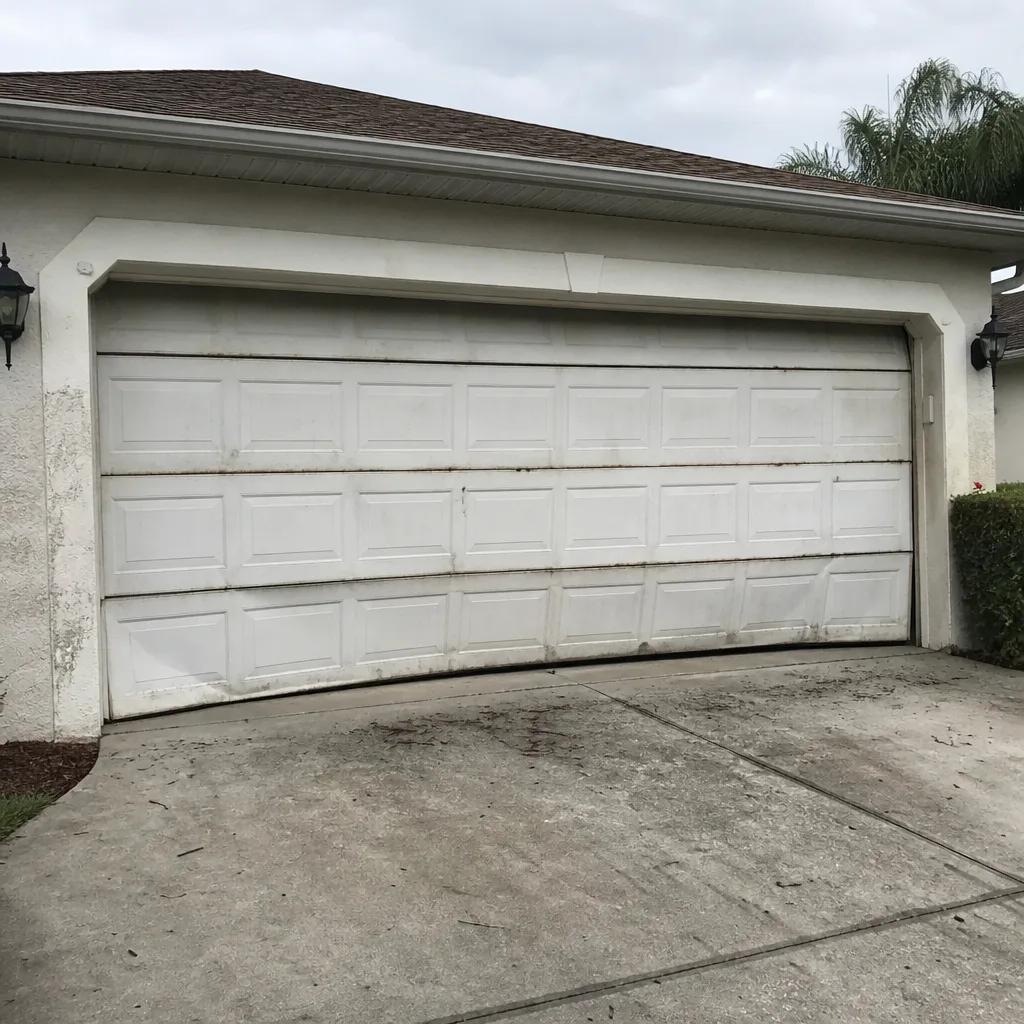 Before
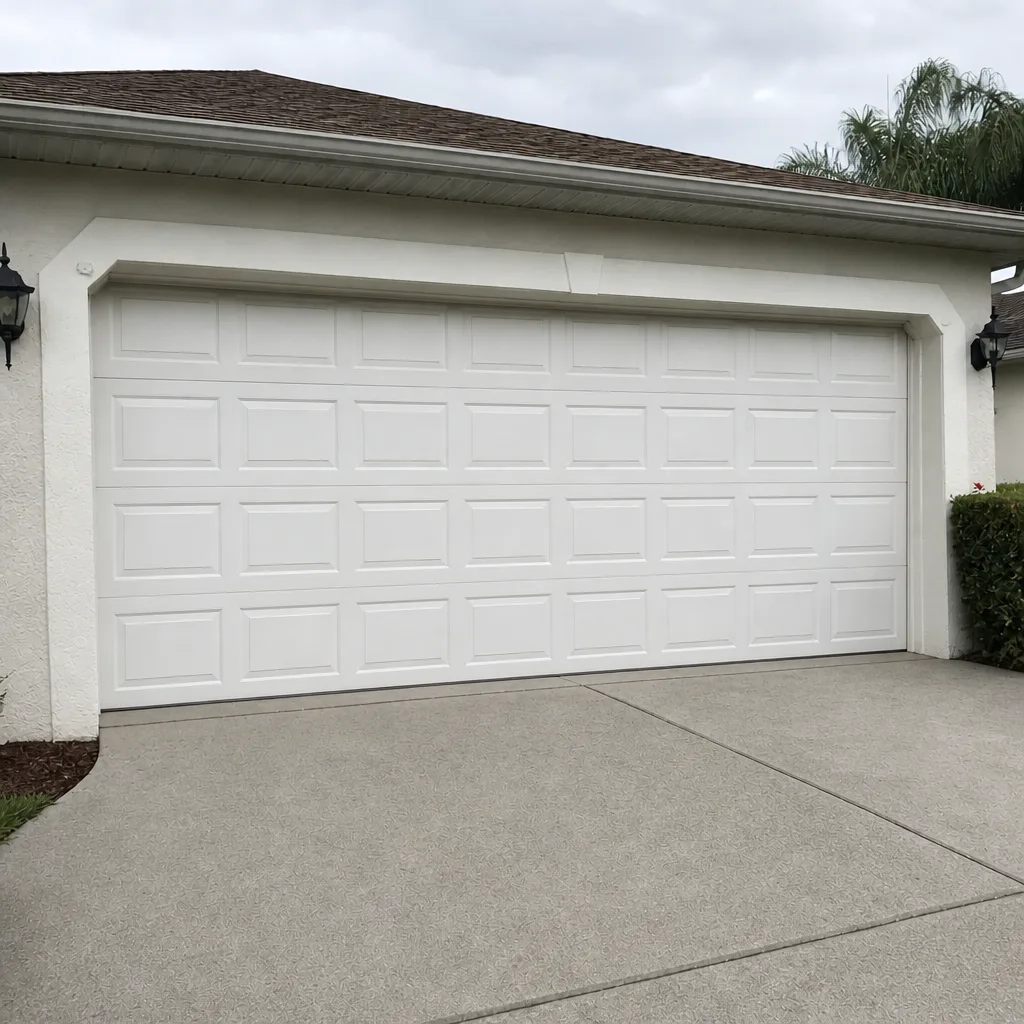 After
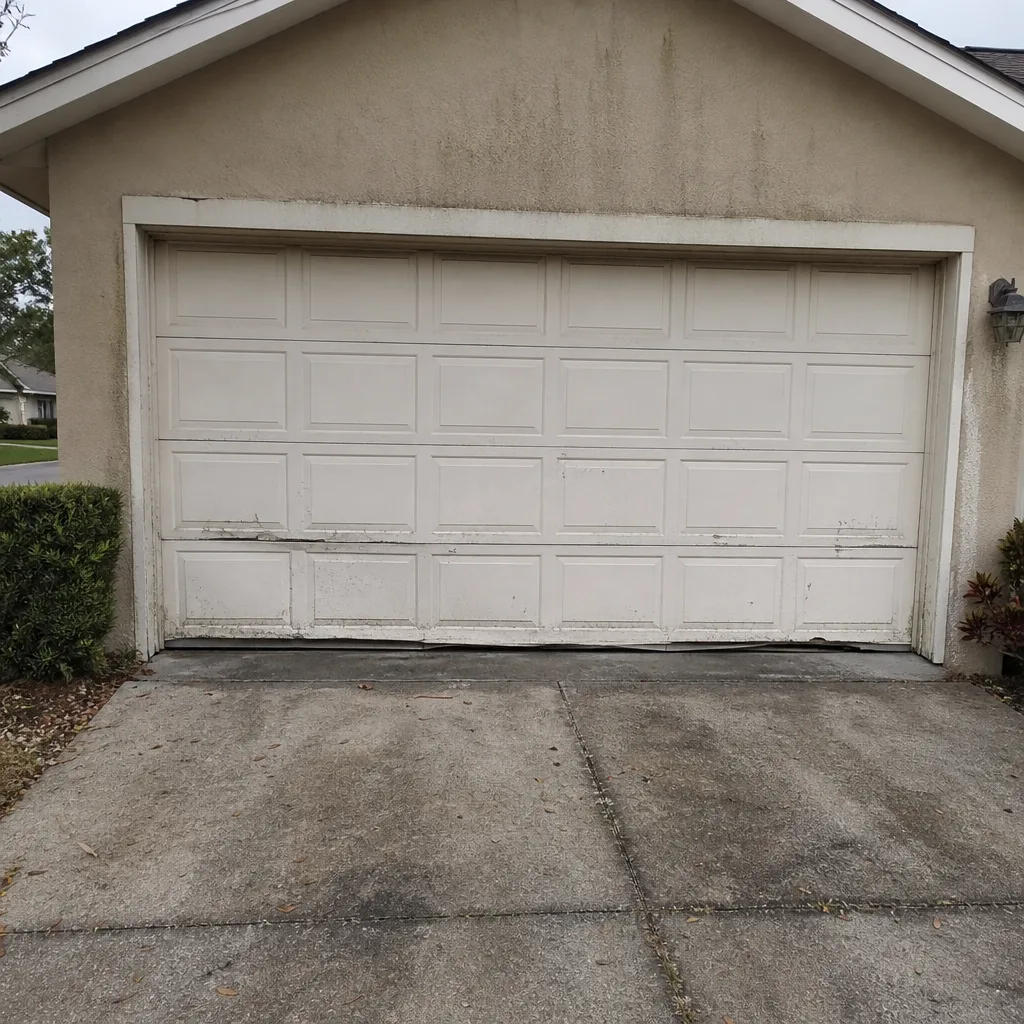 Before
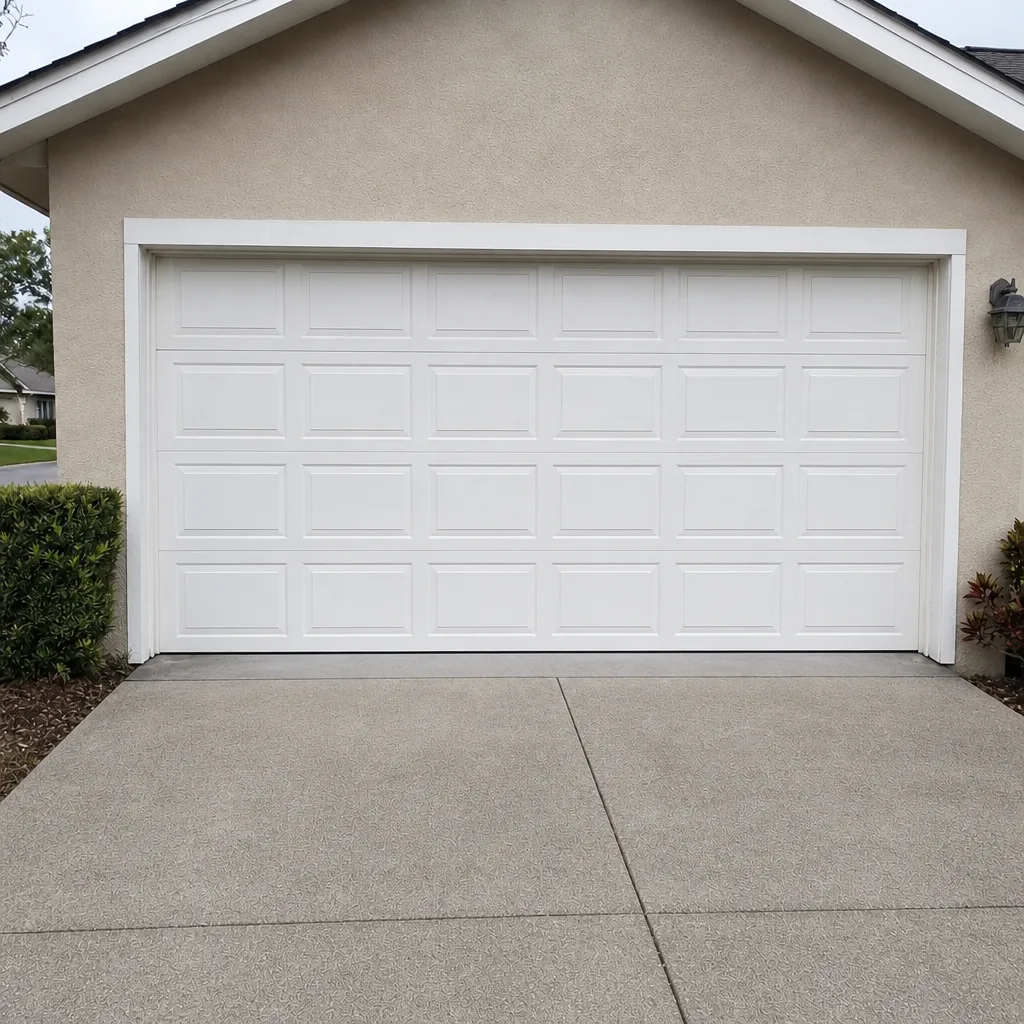 After
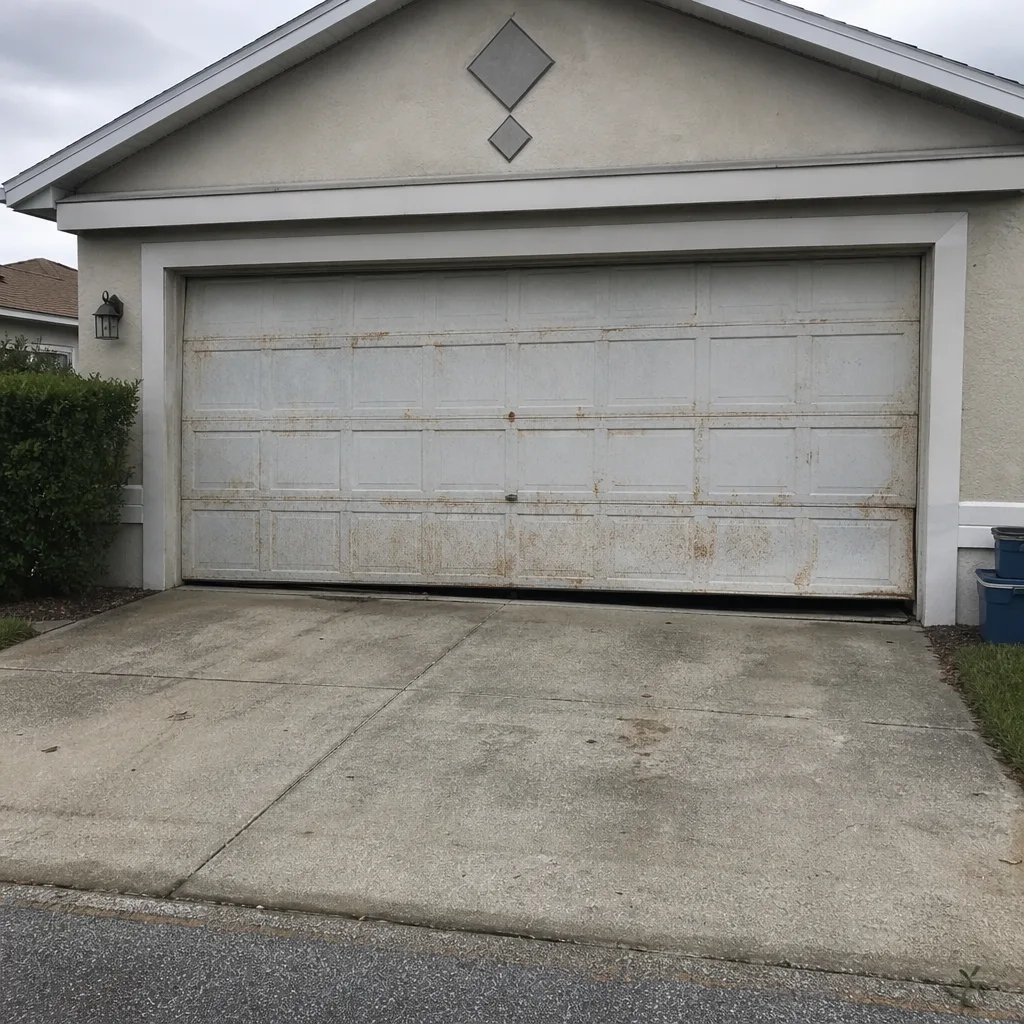 Before
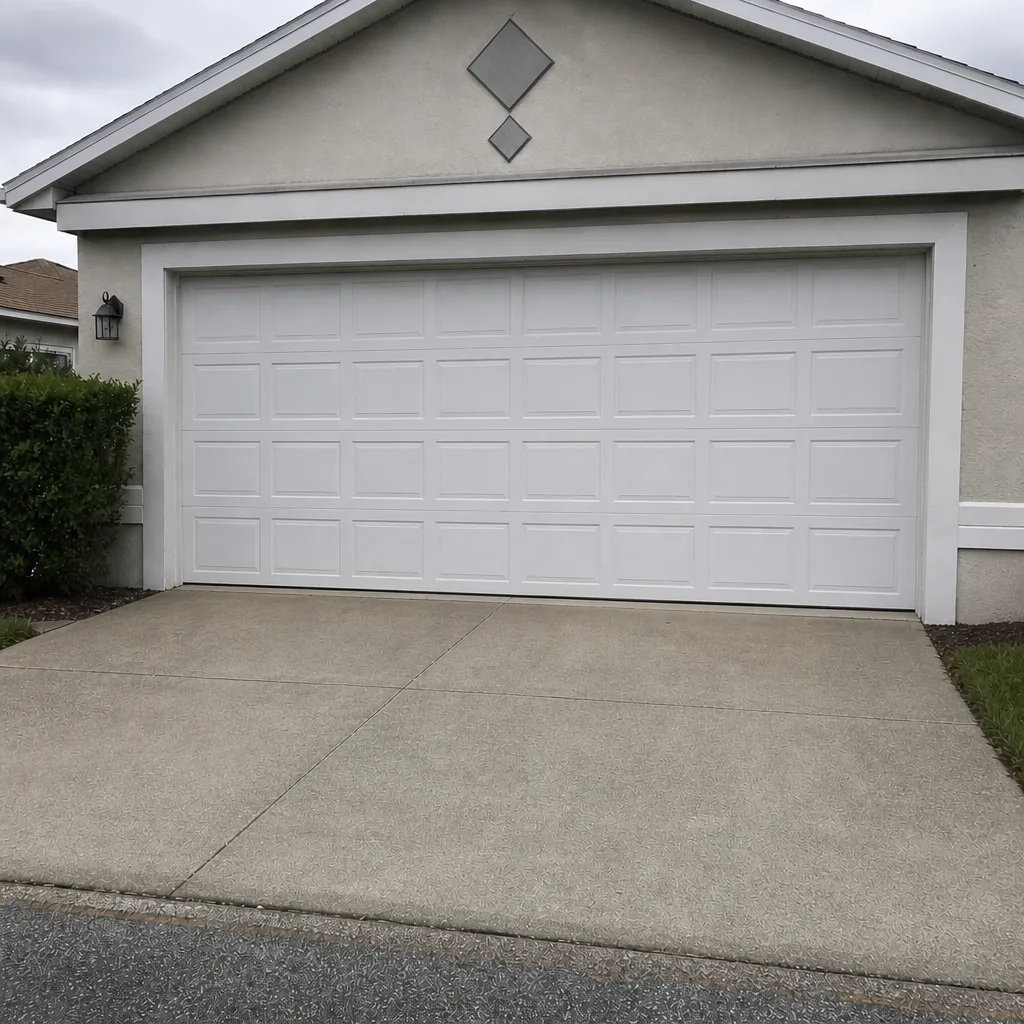 After
When to Call a Professional
Some garage door work belongs in a homeowner’s hands: resetting an opener, changing a battery in the remote, cleaning the tracks. Most of it doesn’t. Springs, cables, and any work that requires loosening the anchoring or removing the door from its tracks should be handled by a technician trained on the specific system, especially on the high-tension spring assemblies most common in Lakewood Ranch homes. The same goes for anything that touches the door’s wind-load hardware; a DIY install that doesn’t match the rated assembly may still look fine and still fail an inspection.
If you’re not sure where the repair ends and the permitted work begins, that’s the moment to call. Lakewood Ranch Garage Door Repair offers free estimates in Lakewood Ranch – call (855) 337-2033. Our technicians have up to 10 years of experience, work with the brand already in your garage, and can tell you whether your project needs a permit before you schedule anything.
Frequently Asked Questions
In most cases, yes. A full garage door replacement in Lakewood Ranch requires a building permit through either Manatee or Sarasota County, even when the new door is the same size as the old one. The door is part of the home’s wind-load envelope, so the replacement has to be documented and inspected. Call (855) 337-2033 for a free estimate and a straight answer on the permit question.
Permit fees vary by county and are usually based on the value of the work, so we don’t quote them as part of our install price. Your contractor should tell you the fee range for your specific project when they scope it. The written estimate should spell out which costs are ours and which are the county’s. Call (855) 337-2033 – estimates are free.
HOA approval is about appearance and community standards. The county permit is about safety and structural compliance. You need both, and one doesn’t substitute for the other. In Lakewood Ranch, HOA review usually happens first because the design has to be approved before the door can be ordered. Call (855) 337-2033 to talk through the sequence.
You can list it, but the unpermitted status is likely to surface during the buyer’s due diligence. An inspector’s report or a permit search commonly flags it, and that’s when the closing conversation shifts to who pays for reinspection or replacement. Getting it permitted at the time of installation avoids that conversation entirely. Call (855) 337-2033 for a free estimate.
No. Springs, cables, rollers, and opener replacements typically don’t require a permit because they don’t change the door’s wind-load envelope. Spring work is still dangerous and should be handled by a technician trained on torsion and extension systems. Call (855) 337-2033 to get it looked at.
The county issues a correction notice describing what doesn’t match the permit, the contractor fixes it, and the inspection is re-requested. Re-inspection fees are common. The fix is usually a small adjustment or a documentation gap, not a full redo, but only if the original installer knows the system. Call (855) 337-2033 for a free estimate on a compliant install.
The Bottom Line
In Lakewood Ranch, a garage door replacement is a permit job, not a shopping decision. The permit pulls the record, the inspection closes it, and the record is what protects you at resale. HOA approval and county permits run in parallel and neither replaces the other. If the door’s history is unclear, check the county record before you sign a contract, not after. And when a spring breaks or the opener quits, that’s a repair, not a permit: call a specialist, not a generalist. We’re at (855) 337-2033, and estimates are free.
Written by the team at Lakewood Ranch Garage Door Repair.