Last updated November 20, 2026
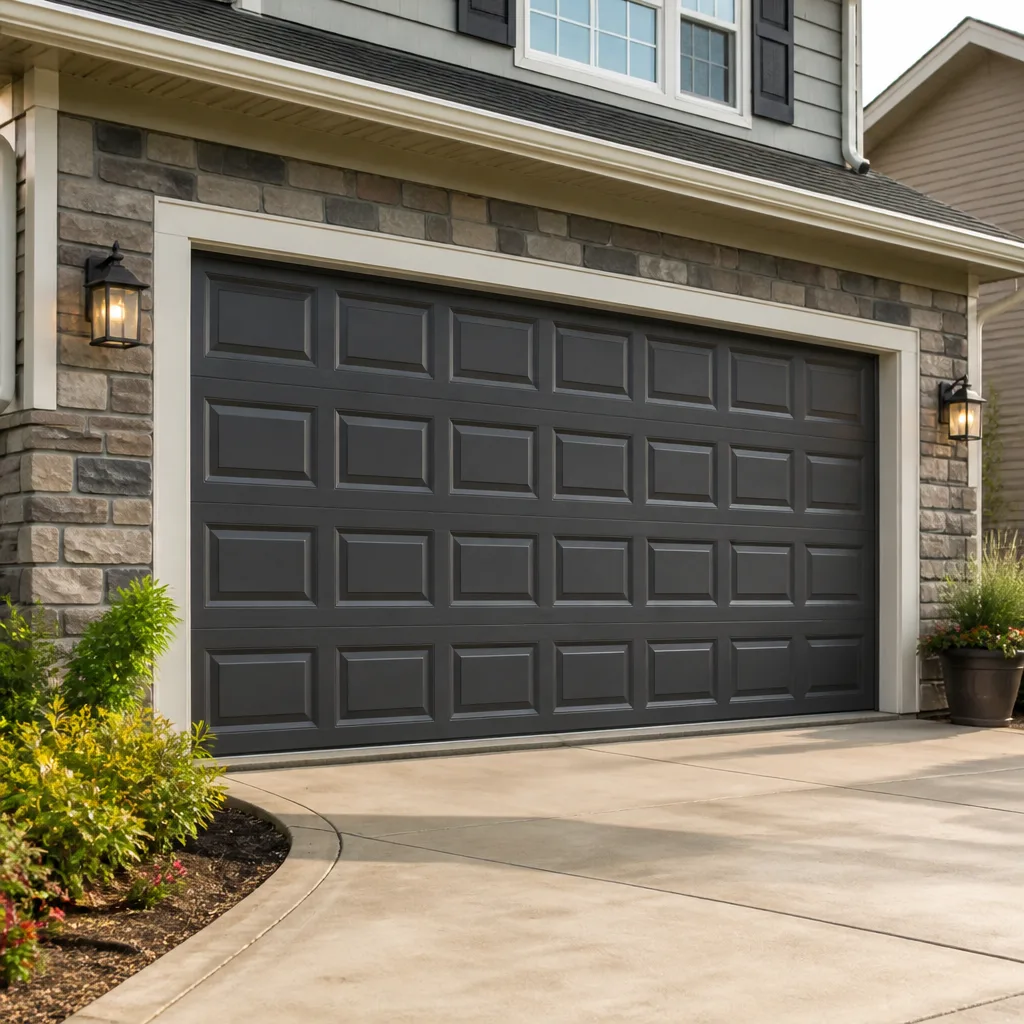 Raised-panel steel
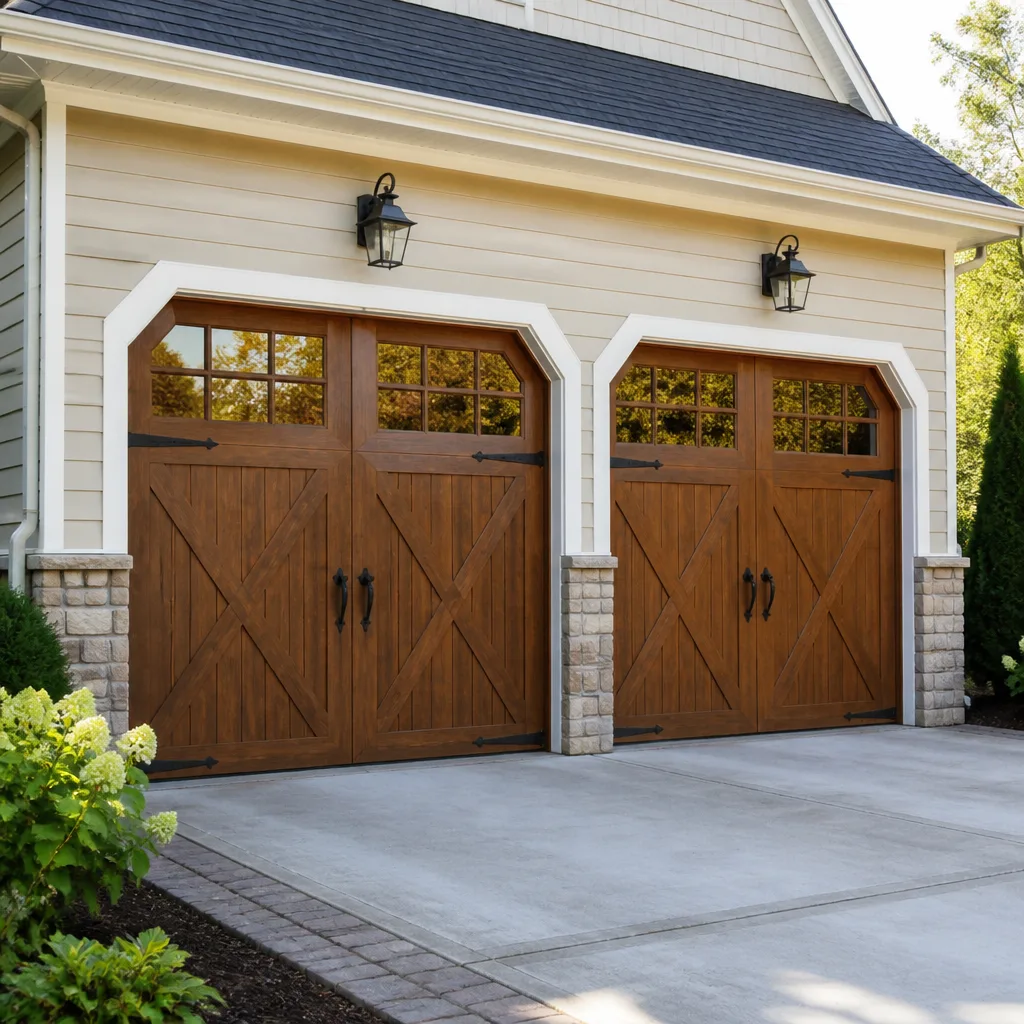 Carriage house
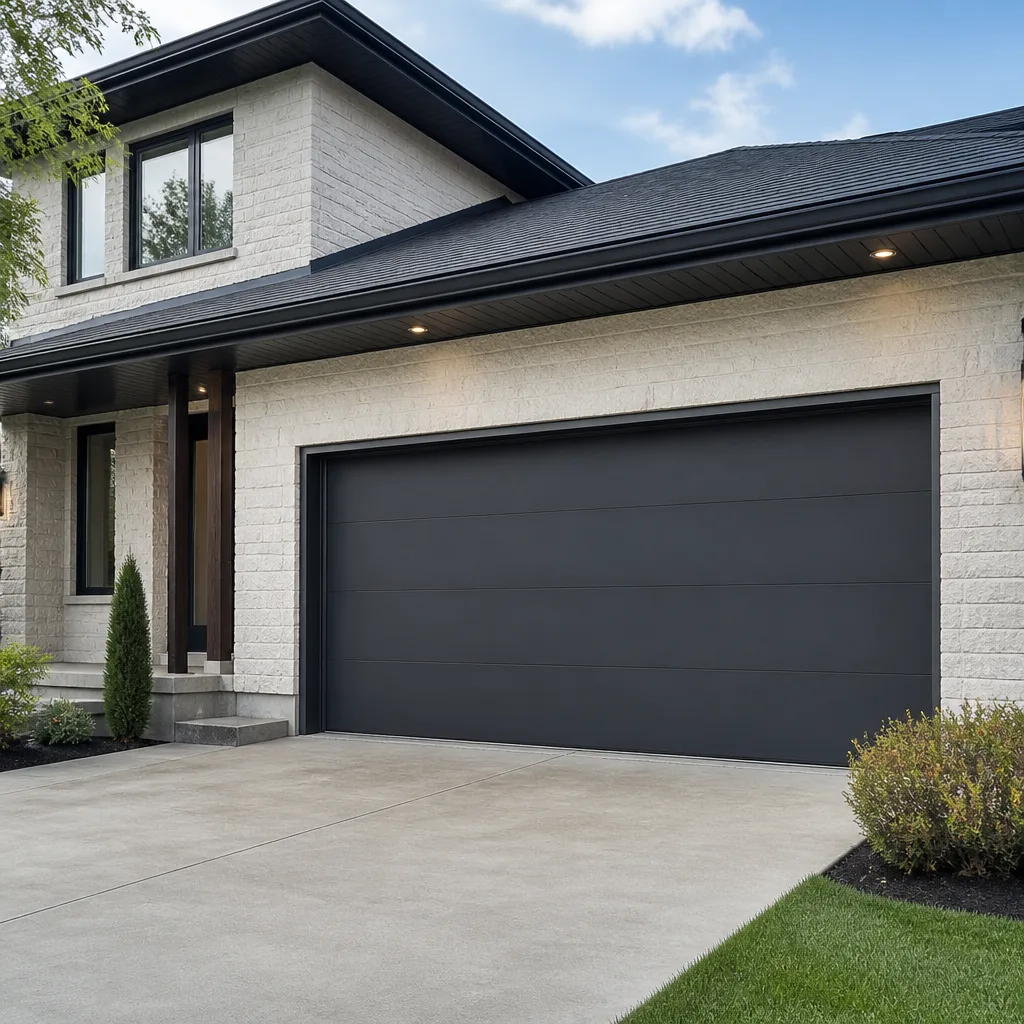 Modern flush
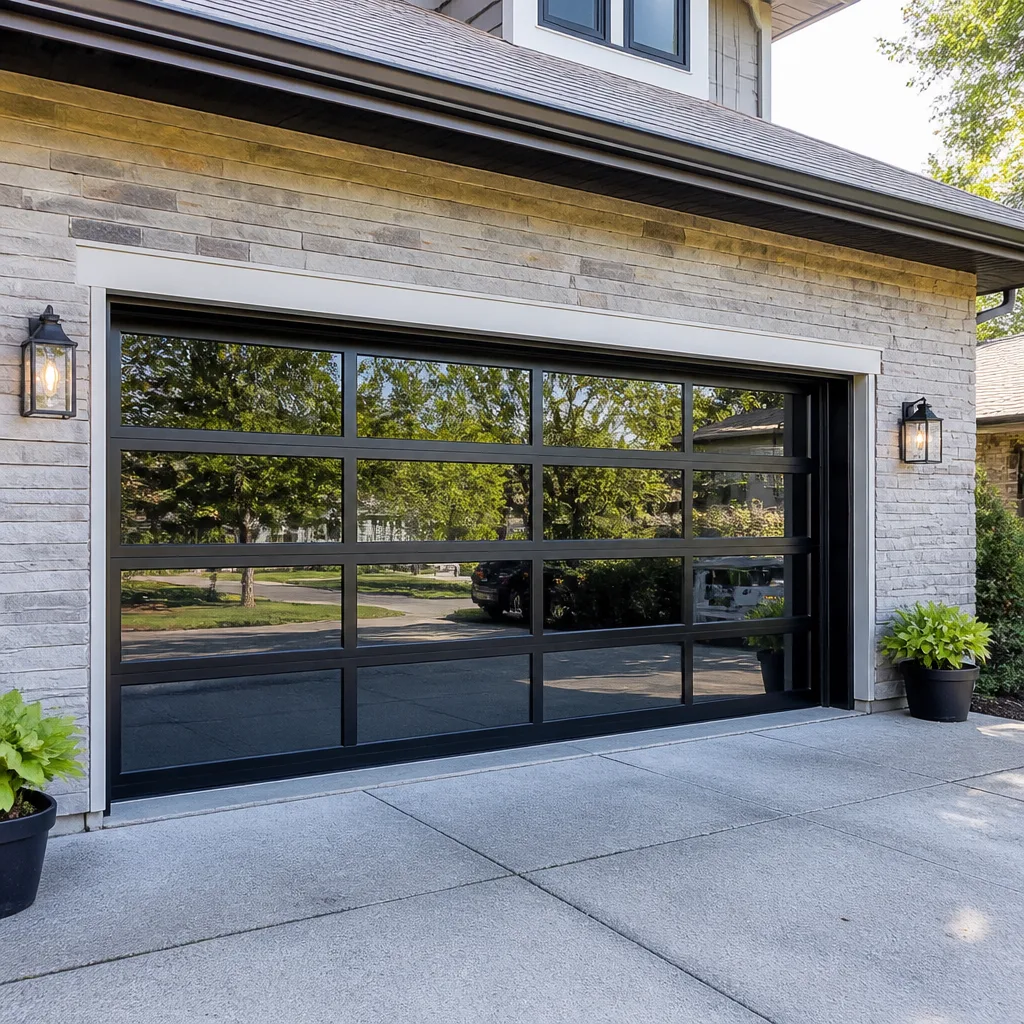 Full-view glass
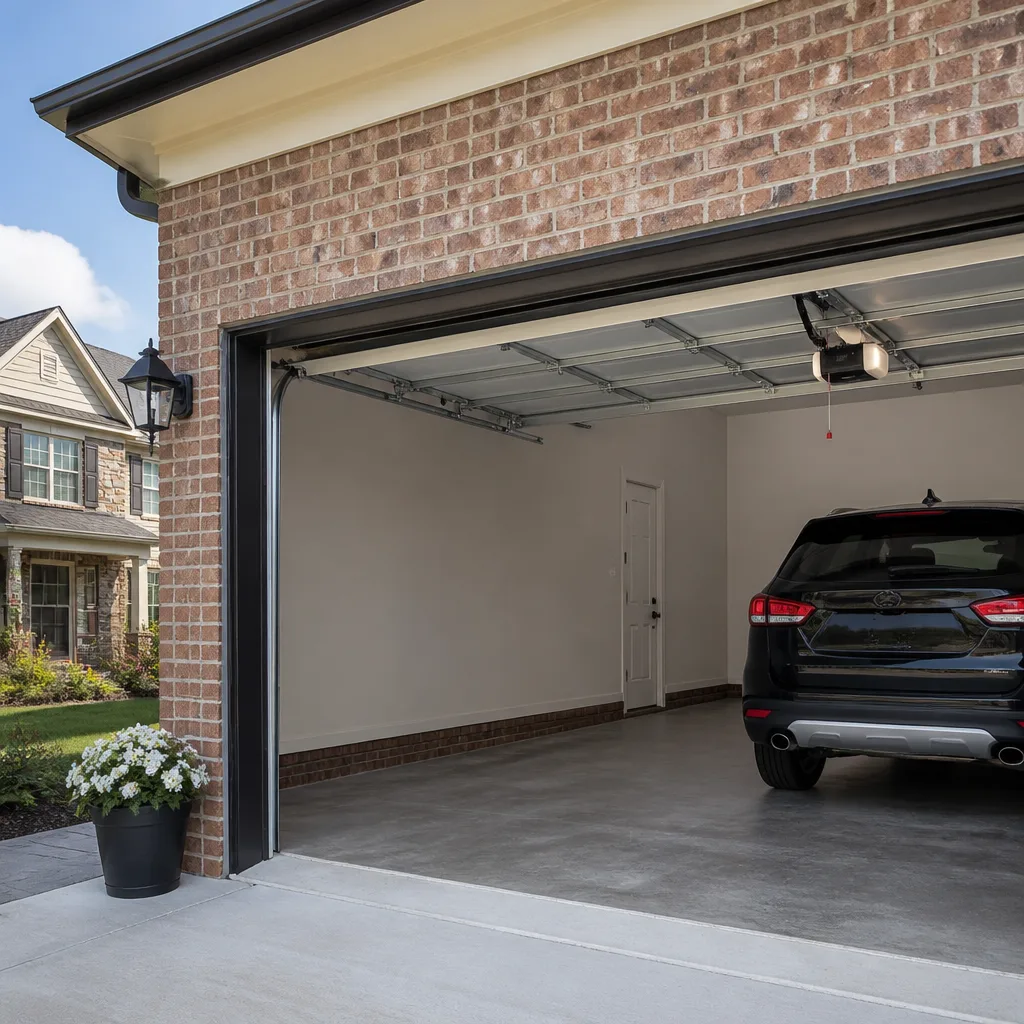 LiftMaster openers
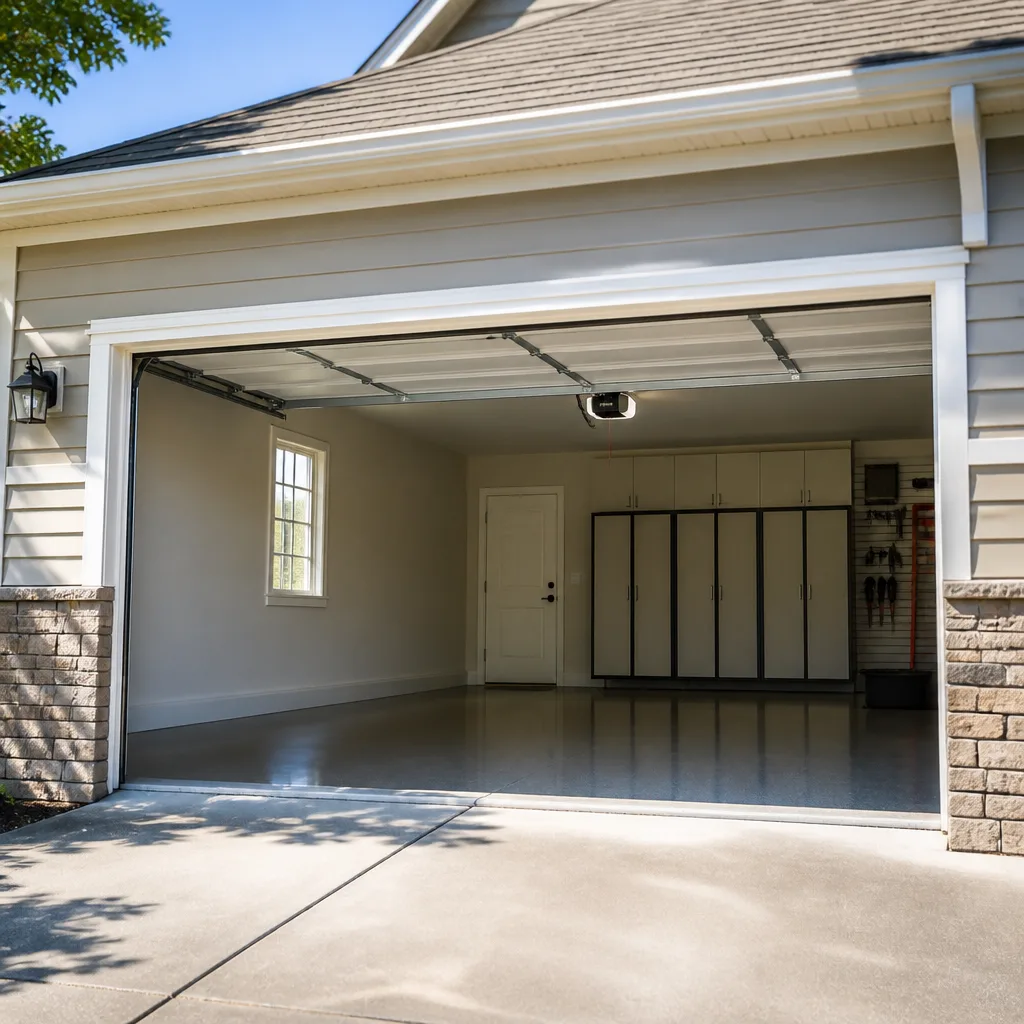 Chamberlain openers
Full 25-point door and opener safety check with every visit - springs, cables, rollers, tracks, and your LiftMaster or Chamberlain opener included
You get a price before we start. It does not change when the pro arrives.
Get your free estimateSeasonal Garage Door Care for Lakewood Ranch: Year-Round Homeowner’s Guide
Telling a Lakewood Ranch homeowner to “winterize the garage door” is close to useless advice. There’s no hard freeze here, no ice to break, no salt truck to dodge. The real seasonal threat is a swing from six months of heavy humidity into dry-season air, and that swing does quiet damage: rubber seals shrink, wood-composite panels gap, and hardware that sat tight in July starts to rattle by January. What looks like a failing door is often a maintenance gap. This guide walks you through a care calendar built for Lakewood Ranch weather, not a generic spring-and-fall checklist.
Quick Answer
Seasonal garage door care in Lakewood Ranch should follow two seasons, not four: a wet-season prep in May and a dry-season tune-up from November through April. Check seals, tracks, springs, rollers and opener sensors at each transition, and book one professional inspection in late spring before the rainy months arrive. That schedule prevents most of the failures we see, and it costs far less than an emergency call.
Styles & brands we work with
- Raised-panel steel
- Carriage house
- Modern flush
- Full-view glass
- LiftMaster openers
- Chamberlain openers
Table of Contents
- Why Lakewood Ranch Has Two Garage Door Seasons, Not Four
- The May Pre-Storm Checklist: Five Components Under Stress
- Post-Storm Inspection: What to Check After Heavy Rain
- Dry Season Tasks: Seals, Tracks and Sensor Drift
- How Humidity Affects Springs, Rollers and Panels
- Choosing Hardware That Survives the Climate
- The Best Time of Year for a Professional Inspection
- A Month-by-Month Care Calendar
Why Lakewood Ranch Has Two Garage Door Seasons, Not Four
Most garage door care guides are written for places with a real freeze. Lakewood Ranch isn’t one of them. Our year splits into a long wet season, roughly May through October, and a dry season from November into April. Each one stresses a door in a different way, and the handoff between them is where most problems start.
The wet season is the aggressive one for moisture. Humidity sits high for months, and the parts of a garage door that hate moisture are the ones you’d expect: steel hinges, roller stems, the bottom seal, and any wood-composite panel edges. Metal that stays damp and rarely gets looked at will start to show rust at the joints. Rubber seals swell slightly and then take a set. The door still opens, so nobody notices.
Then the dry season arrives and reverses everything. Seals that swelled now shrink and pull away from the frame. Panels that absorbed moisture during the wet months dry out and can gap at the seams. Tracks that held alignment fine in humid air can shift slightly as materials contract.
That transition is the whole point of this guide. A homeowner in Lakewood Ranch who only inspects the door once a year, in whatever month they happen to remember, misses the two moments that matter most: right before the rains and right after the dry air settles in. Here’s what we’ve learned from servicing doors across the area, and how to build a calendar around it.
The May Pre-Storm Checklist: Five Components Under Stress
By May, Lakewood Ranch is heading into the rainy stretch, and the door needs to be ready for months of moisture and wind. These five components fail most often under that pressure. You can assess each one yourself in about fifteen minutes, without tools beyond your eyes and hands.
- Bottom seal and side weatherstripping. Look for cracks, flattening, or gaps where the seal meets the floor or frame. A seal that’s lost its flexibility won’t keep out driven rain. If it looks brittle or leaves daylight visible, it’s due for replacement before the season starts.
- Hinges and roller stems. Check for rust and looseness at each hinge. Rust at the joints is the early warning sign. A hinge that’s rusted solid can seize under load and stress the panel it’s attached to.
- Springs and cables. Look, don’t touch. A torsion spring above the door or extension springs along the sides should be free of visible gaps, rust pitting or frayed cable strands. Springs are under extreme tension, and this is the one part of the checklist you never adjust yourself.
- Opener sensors and safety reverse. Press the wall control, then walk through the beam. The door should reverse. Sensors that drift out of alignment are a common failure, and a door that won’t close reliably is the next emergency call.
- Panel and frame seams. Run a hand along panel edges and the door frame. Any soft spot, bubbling paint or gap at a seam means moisture is getting in. Catch it in May and you can often seal it before it spreads.
If any of these look off, that’s the moment to schedule a repair, not the first stormy week of June when everyone else is calling at once. If a spring or cable is the issue, see our guide to garage door spring repair for what the job involves.
Post-Storm Inspection: What to Check After Heavy Rain
After a significant rain event, walk out and check the door even if it still opens and closes normally. The reason is simple: the failures that cause the biggest problems later usually start quietly. A door that works fine on Tuesday can be holding water in a panel seam or running a slightly bent track by Friday.
Run this short protocol after any heavy storm:
- Look for water intrusion. Check the floor line and the inside face of the door for dampness. Water inside the garage after a driven rain usually points to a worn bottom seal or a gap at the frame.
- Test the balance. Disconnect the opener (pull the release handle) and lift the door halfway by hand. It should stay put with light effort. A door that slams down or feels heavy is telling you a spring has weakened.
- Listen to the sound. A door that rumbles, squeals or grinds after a storm is often a track or roller issue. Quiet, even travel is the goal.
- Check the tracks for alignment. Look along the vertical and horizontal tracks for bends or debris. A small bend after wind pressure can cause rollers to bind over the following weeks.
- Inspect the motor housing for moisture. If the opener housing or control panel shows signs of water, stop using it and have a specialist look. This is one of the routine situations where garage door opener repair makes sense before a small moisture problem turns into a dead unit.
Most of these checks are free and quick. The point isn’t to fix what you find, it’s to catch a small issue before it becomes a door off its tracks during the next stretch of weather.
Dry Season Tasks: Seals, Tracks and Sensor Drift
By November, the air in Lakewood Ranch dries out, and doors start behaving differently. Three tasks belong on your dry-season list.
Seal conditioning. Run a finger along the bottom seal and side weatherstripping. Rubber that felt soft in September often feels stiff by December. A light application of a silicone-based lubricant helps keep the rubber supple through the dry months and slows the cracking that leads to water intrusion later. If the seal is already brittle or has a visible split, replace it now rather than waiting for the wet season to remind you.
Track cleaning. Dry air means more dust and grit collecting in the track channels. Wipe the inside of each track with a damp cloth, then dry it. Don’t lubricate the tracks themselves; they’re meant to stay clean and dry. A dirty track makes rollers drag, and dragging rollers strain the opener.
Opener sensor realignment. Here’s one most homeowners don’t expect. The safety sensors at the bottom of the door ride on small brackets that can shift slightly as materials contract in low humidity. If the door starts reversing for no apparent reason, or refuses to close, a sensor knocked even a fraction out of alignment is the usual suspect. Wipe the sensor lenses clean, check the indicator lights on both units, and nudge each one until the lights read steady. If a lift system from LiftMaster, Chamberlain or Genie keeps acting up through the dry season, it’s worth having a technician diagnose it rather than fighting the sensors every week.
The dry season is also the easiest time to schedule work. Doors are stable, weather isn’t interfering, and a planned repair beats an emergency call when the rains return.
How Humidity Affects Springs, Rollers and Panels
Humidity is the quiet driver of most garage door wear in Lakewood Ranch. It doesn’t fail a door overnight, but it changes the conditions every moving part has to work under, and over months that adds up.
Springs. The springs themselves aren’t sagging because of humidity, but everything around them is. Rust that builds up on the torsion tube, the cable drums and the springs’ own coils creates friction, and friction means the system has to work harder to move the door. That extra effort shortens how long the springs last. A spring that fails in the middle of a hot, humid stretch is a common call, and it’s a job that belongs to a specialist: high-tension spring work is dangerous, and the system has to be handled correctly for the specific door and brand. Our technicians have up to 10 years of experience and are trained specifically on torsion and extension spring systems, which is why we treat spring work as a specialty rather than an add-on.
Rollers. Steel rollers rust and bind in humid air. Nylon rollers hold up better, but even they pick up grit and drag. If the door gets louder as the summer wears on, check the rollers and consider whether yours are due for replacement.
Wood-composite and steel panels. Panels swell slightly during the wet months and contract in the dry season. Panels that looked fine in August can show seams or gap edges by January. That’s not necessarily damage; it’s a sign the door needs sealing or the panels need a closer look. Rust along the bottom edge of a steel panel is common where the door meets the floor and moisture sits.
Choosing Hardware That Survives the Climate
Not all garage door hardware handles Lakewood Ranch conditions the same way. If you’re replacing parts or choosing a new door, the material and finish matter as much as the brand name.
- Nylon rollers over steel. They resist rust and run quieter, which matters when humidity is high for half the year.
- Galvanized or stainless hinges. Standard steel hinges rust at the joints faster in this climate. Galvanized or stainless hardware lasts longer and saves you replacement jobs.
- Sealed or coated springs. Look for springs with a protective coating. Bare springs rust faster, and rust is a major contributor to early failure.
- Insulated panels. Insulation doesn’t just manage temperature; it helps a panel hold its shape through humidity swings, which reduces the swelling and gapping that shows up in cheaper builds.
When you’re choosing a new door, working with a brand the installer knows inside and out matters. We work with the brand already in your garage, and we service LiftMaster, Chamberlain, Genie, Clopay, Amarr, Wayne Dalton, Craftsman and Raynor systems. Being familiar with the exact model in your opening means fewer surprises during a repair and better material choices when you’re replacing hardware.
The Best Time of Year for a Professional Inspection
The single best time to book a professional inspection in Lakewood Ranch is late spring, ideally in the weeks before the wet season starts. That timing lets a technician catch seal, hardware and spring issues while the weather is still stable and before the months when failures are most likely to happen.
A second, shorter check makes sense in late fall, when the dry season settles in. That’s when seal shrinkage and sensor drift show up, and when it’s easiest to fix them. If the door is older, or you’ve had any repairs in the past year, a mid-season look from a specialist is worth the call.
A professional inspection covers what a homeowner can’t safely assess: spring condition and tension, cable integrity, opener load and travel adjustment, and the overall balance of the system. Spring and cable work is genuinely dangerous, and this is the part of the guide where we say it plainly: don’t adjust, lubricate or attempt to repair high-tension spring hardware yourself. Call a trained technician. If the door is already misbehaving, our garage door repair team handles diagnostics and fixes across all the systems above.
A Month-by-Month Care Calendar
Here’s a simple calendar to keep the door in shape through the Lakewood Ranch year. Each task is a few minutes, and most are visual checks you can do yourself.
- January – February: Dry-season tune-up. Condition seals, clean tracks, realign sensors, and listen for new noises.
- March – April: Check panel seams and frame for gaps or soft spots. Schedule a professional inspection before May.
- May: Pre-storm checklist. Inspect the bottom seal, hinges, rollers, springs and safety reverse. Replace anything worn.
- June – September: After each heavy rain, run the post-storm protocol. Look for water intrusion and track misalignment.
- October: Late-season check on rollers and hardware for rust. Note anything that needs attention.
- November: Dry-season reset. Condition seals and clean tracks again as the air dries out.
- December: Final review. If the door has been noisy or slow all year, book a professional look before the next cycle.
If a door fails outside the usual window, an emergency call is one option. We run dedicated emergency garage door service for urgent situations, because a door that won’t close leaves a home unsecured. Emergency response and scheduled service are both handled here; one call covers it. You can reach us any time through our main page at Lakewood Ranch Garage Door Repair.
Common Mistakes to Avoid
- Following a northern winter checklist. Insulating for freezing temperatures and clearing snow have no place in Lakewood Ranch care. The real job here is managing humidity and the transition into dry air, so a generic fall checklist misses the tasks that actually matter.
- Ignoring the door after a storm because it still works. Water intrusion and small track bends don’t announce themselves. The door opening fine on a Tuesday doesn’t mean it will in three weeks if a seal is holding moisture.
- Lubricating the tracks. Tracks are meant to stay clean and dry. Grease collects grit and makes rollers drag, which strains the opener over time.
- Adjusting springs yourself. High-tension springs and cables cause serious injury when handled without training. That’s not a job for a homeowner, no matter how straightforward a video makes it look.
- Waiting for a seal to fail completely. A stiff or slightly split seal in the dry season becomes a full water-intrusion problem in the wet season. Replace it on your schedule, not the weather’s.
- Buying the cheapest hardware available. Standard steel hinges and bare springs rust fast in this climate. Paying a little more for galvanized hardware or coated springs saves you a replacement job sooner.
- Skipping the professional inspection in spring. The one inspection that catches most problems happens before the wet season. Book it in advance rather than at the last minute when everyone else is calling.
See the difference
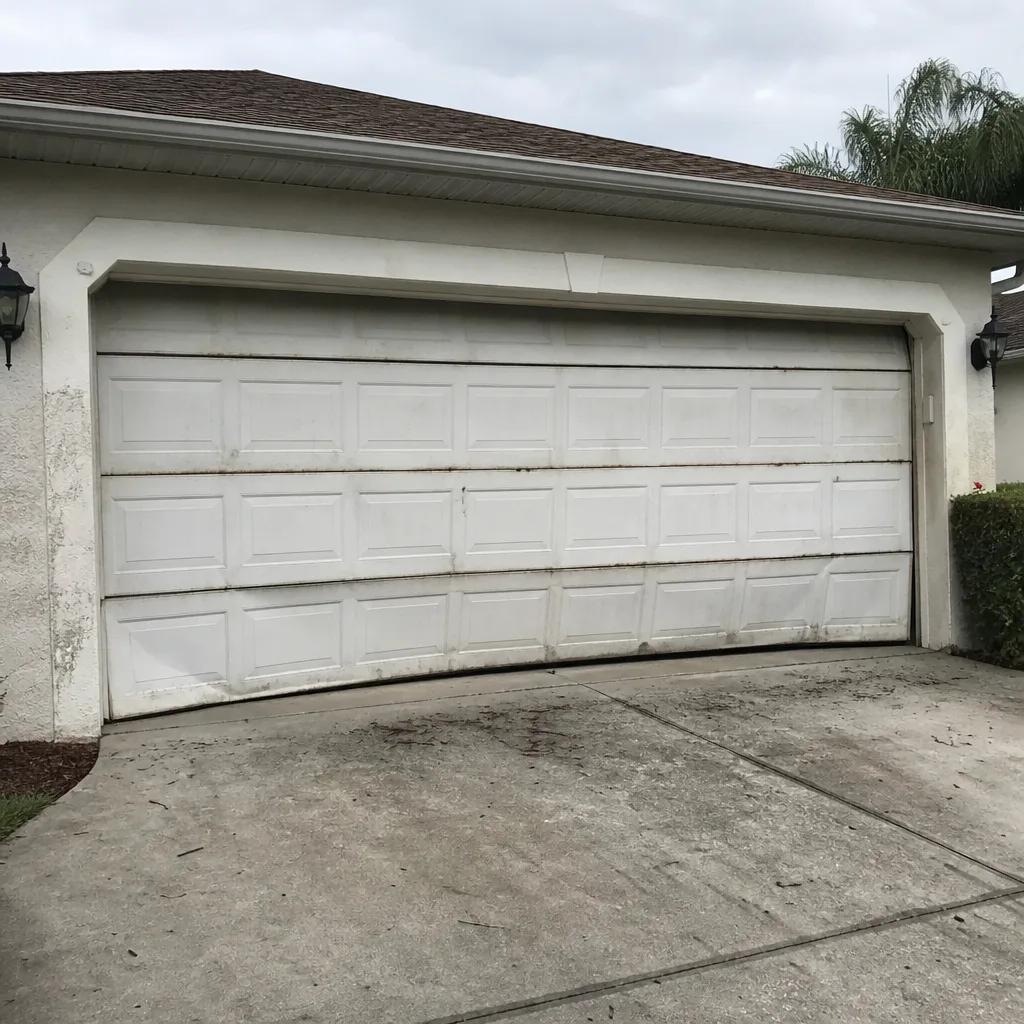 Before
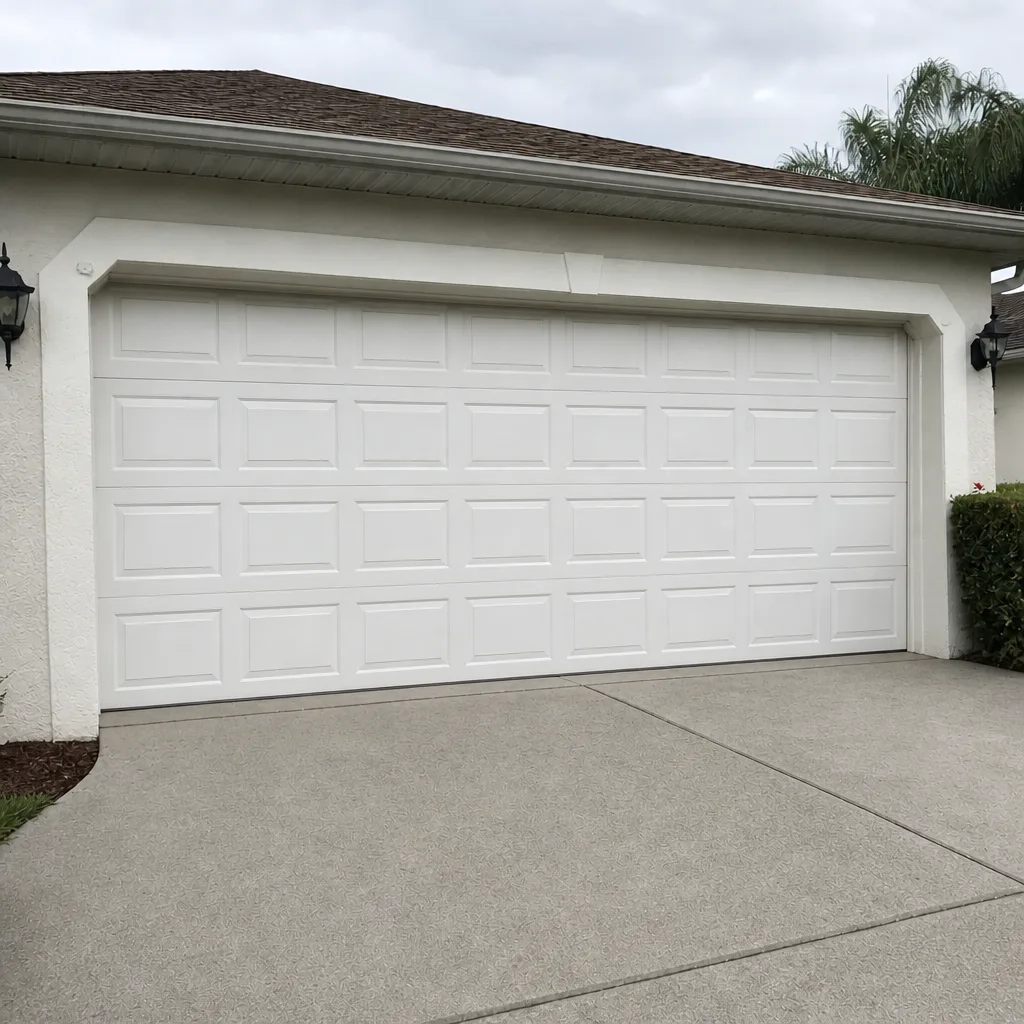 After
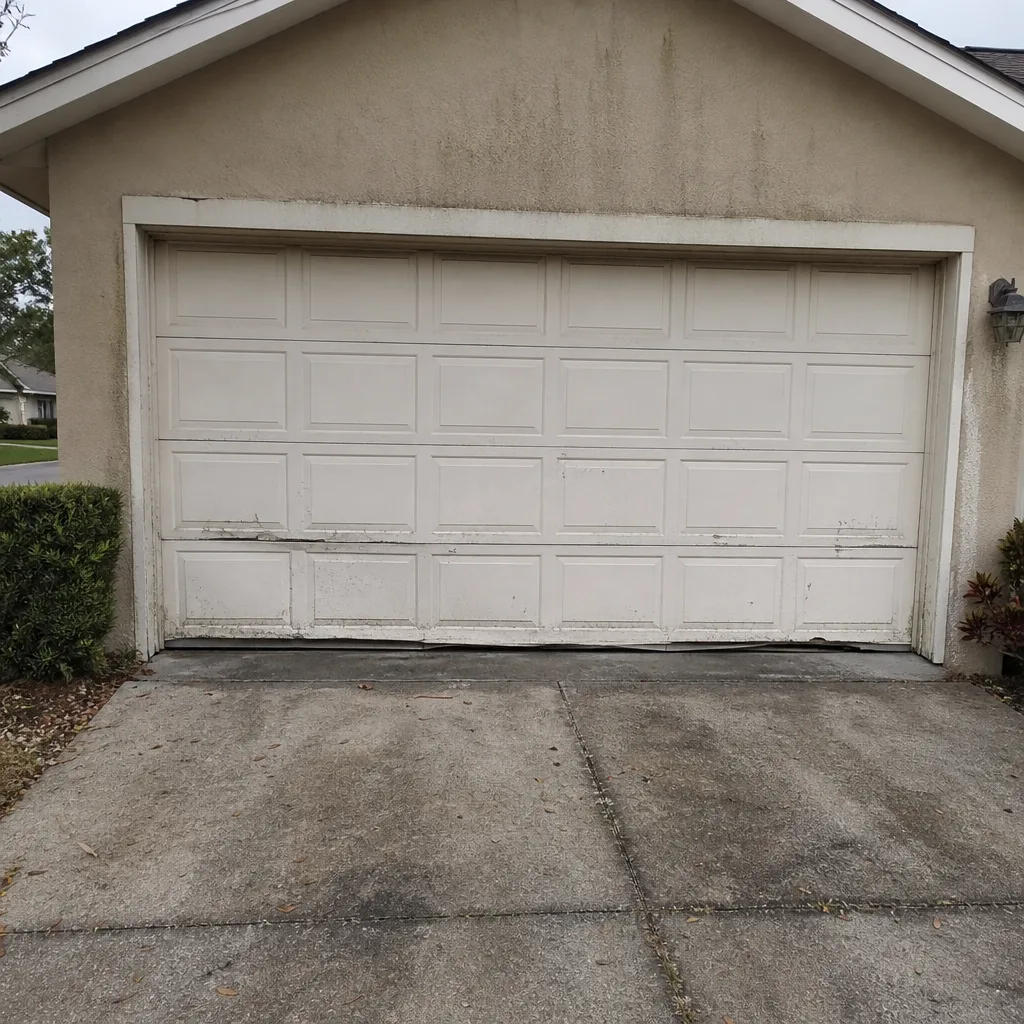 Before
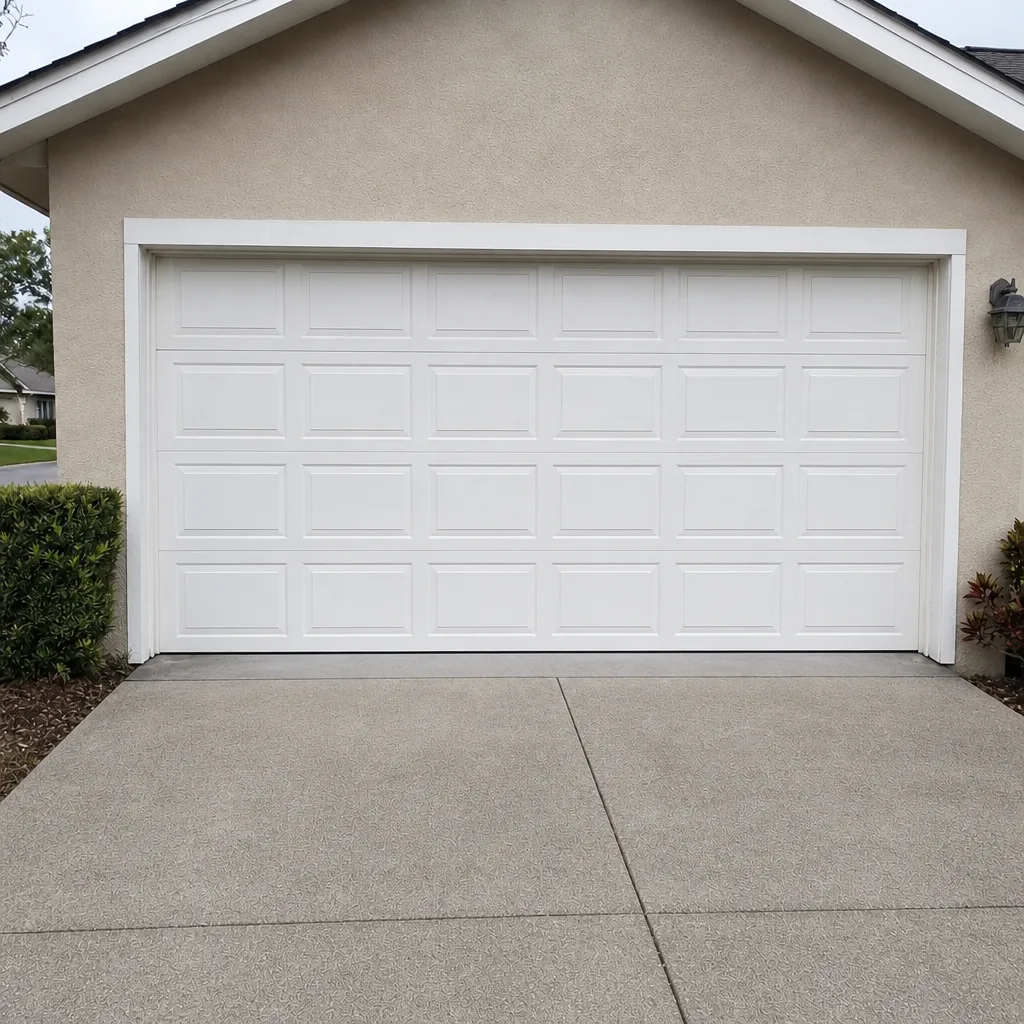 After
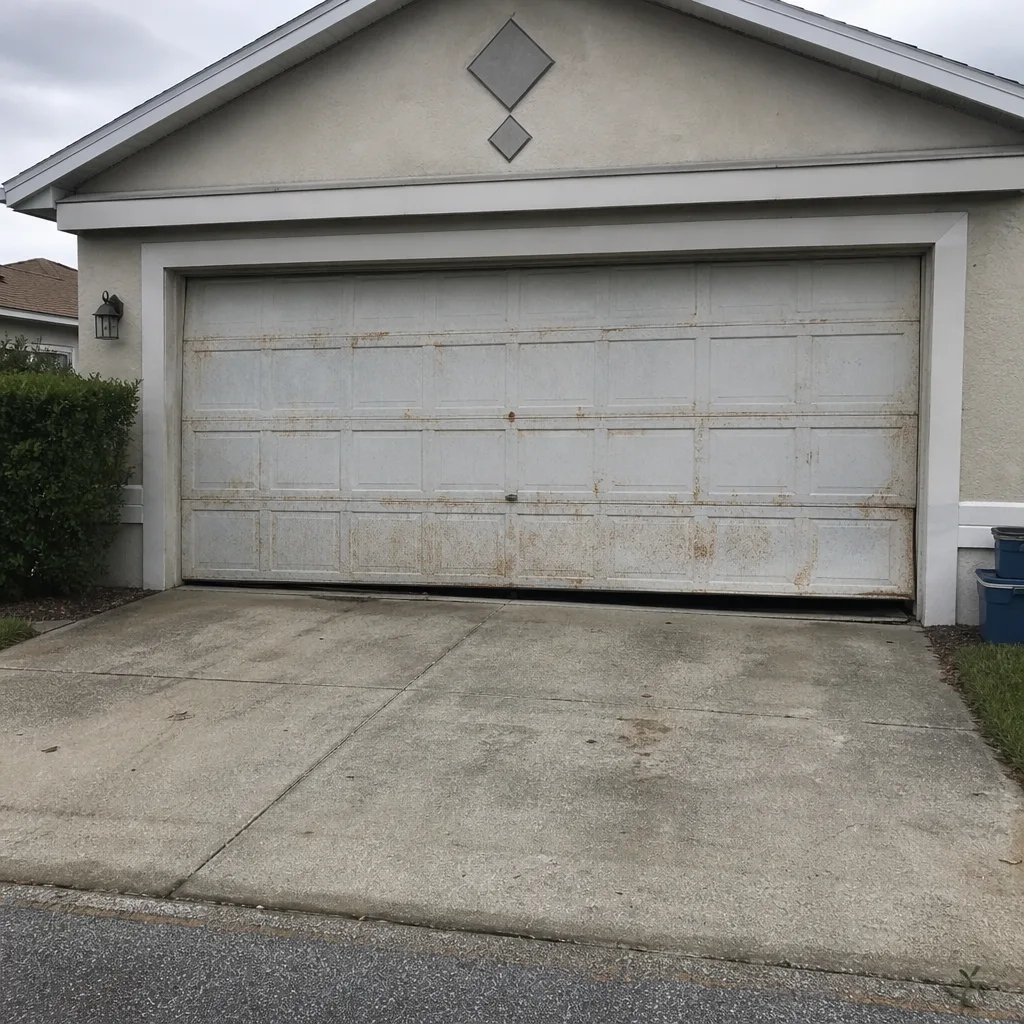 Before
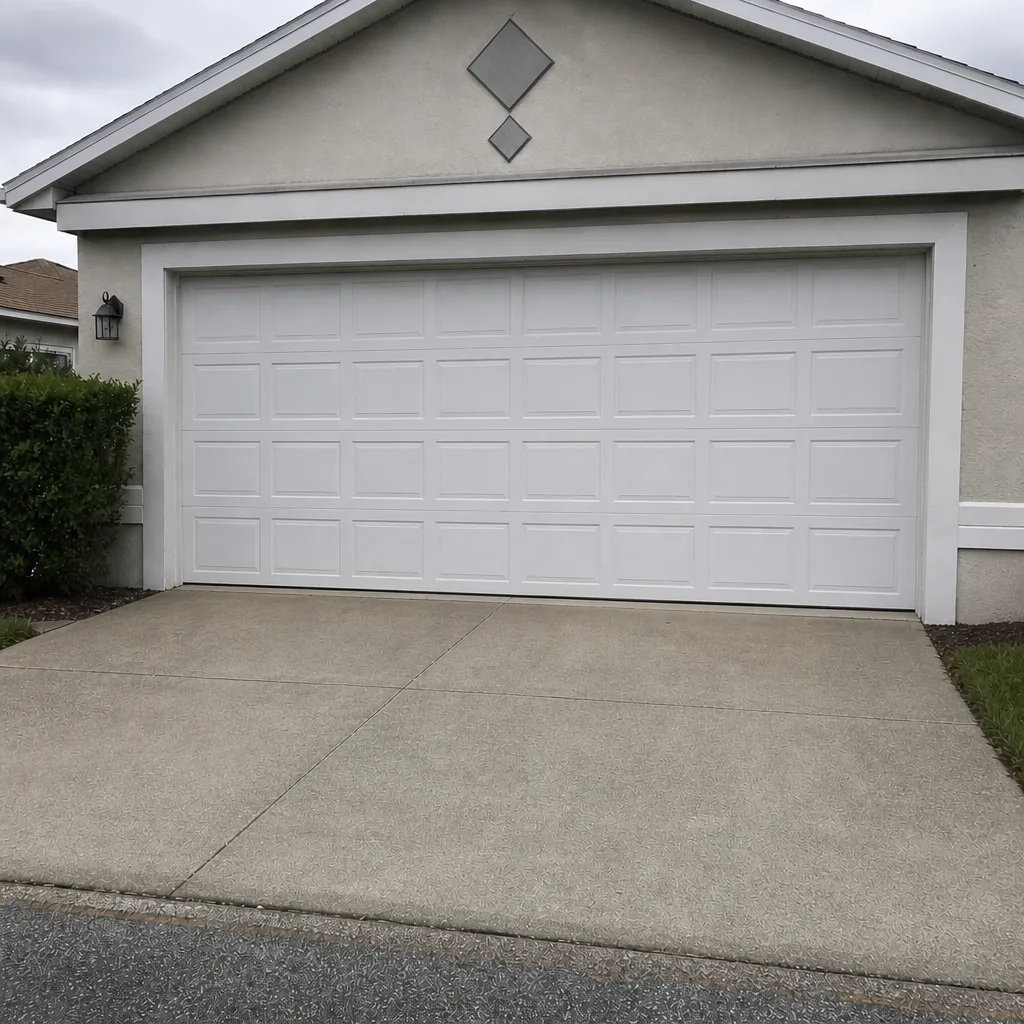 After
When to Call a Professional
Some tasks belong on your list. Others belong to a technician. Call a professional if the door won’t open or close at all, if it’s off its tracks, if a spring or cable is visibly damaged, or if the opener is making grinding or clicking noises. Any situation where the door hangs unevenly, moves with a jolt, or a car is trapped in the garage deserves a same-day call. We handle the full range of garage door repairs and can diagnose the problem quickly. Lakewood Ranch Garage Door Repair offers free estimates in Lakewood Ranch. Call (855) 337-2033 to get on the schedule.
Frequently Asked Questions
Twice a year works for most homes here: a pre-storm inspection in May and a dry-season tune-up in November. If your door is older or has had repairs, a third check in late fall helps. Our technicians have up to 10 years of experience and can tell you quickly whether your door needs a closer schedule.
Dry-season air causes seals and hardware to shrink slightly, and dry tracks collect more grit. Most of the noise you hear from November through April comes from rollers that need cleaning and seals that need conditioning. A clean track and lubricated rollers usually settle it down.
No. Torsion and extension springs are under extreme tension and can cause serious injury if handled incorrectly. Call a trained technician for any spring work. We handle spring repair as a specialty, and we never recommend a homeowner attempt it.
Look for water intrusion at the floor line, check the tracks for bends or alignment issues, test the door balance with the opener disconnected, and listen for new noises. If anything looks off, have it inspected before using the door repeatedly. Small issues become full repairs when they go unnoticed.
Not necessarily. Gapping panels are often a sign the door needs sealing or the hardware is loose, not a replacement. Have a technician look before you assume the worst. We give free estimates, and the answer is often a repair rather than a new door.
We work on LiftMaster, Chamberlain, Genie, Clopay, Amarr, Wayne Dalton, Craftsman and Raynor systems. Whatever the brand already in your garage, our technicians arrive familiar with that system. That’s true whether you need a repair, an opener fix, or a full new installation.
The Bottom Line
Garage door care in Lakewood Ranch is a two-season job, not a four-season one. The wet months put the pressure on seals, hardware and springs, and the dry months pull everything tight in ways that show up as gaps, drifts and noise. A May pre-storm check and a November dry-season tune-up cover most of the failure points, and one professional inspection in late spring catches what you can’t safely assess yourself. If the door is already giving you trouble, don’t wait for the next season to make it worse. Call (855) 337-2033 for a free estimate and get your door back to running the way it should. You can also book through Lakewood Ranch Garage Door Repair for service, repairs, and new door selection and installation.
Written by the team at Lakewood Ranch Garage Door Repair.