Last updated November 20, 2026
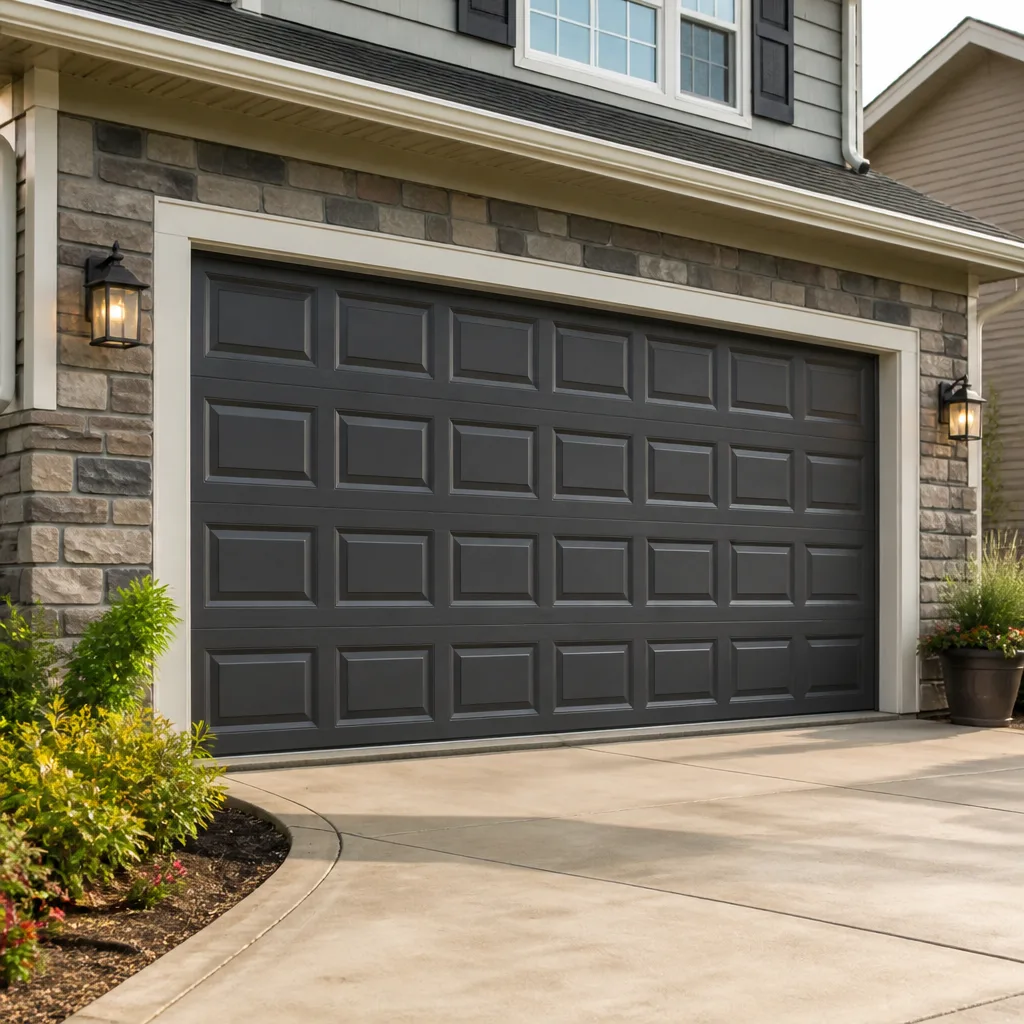 Raised-panel steel
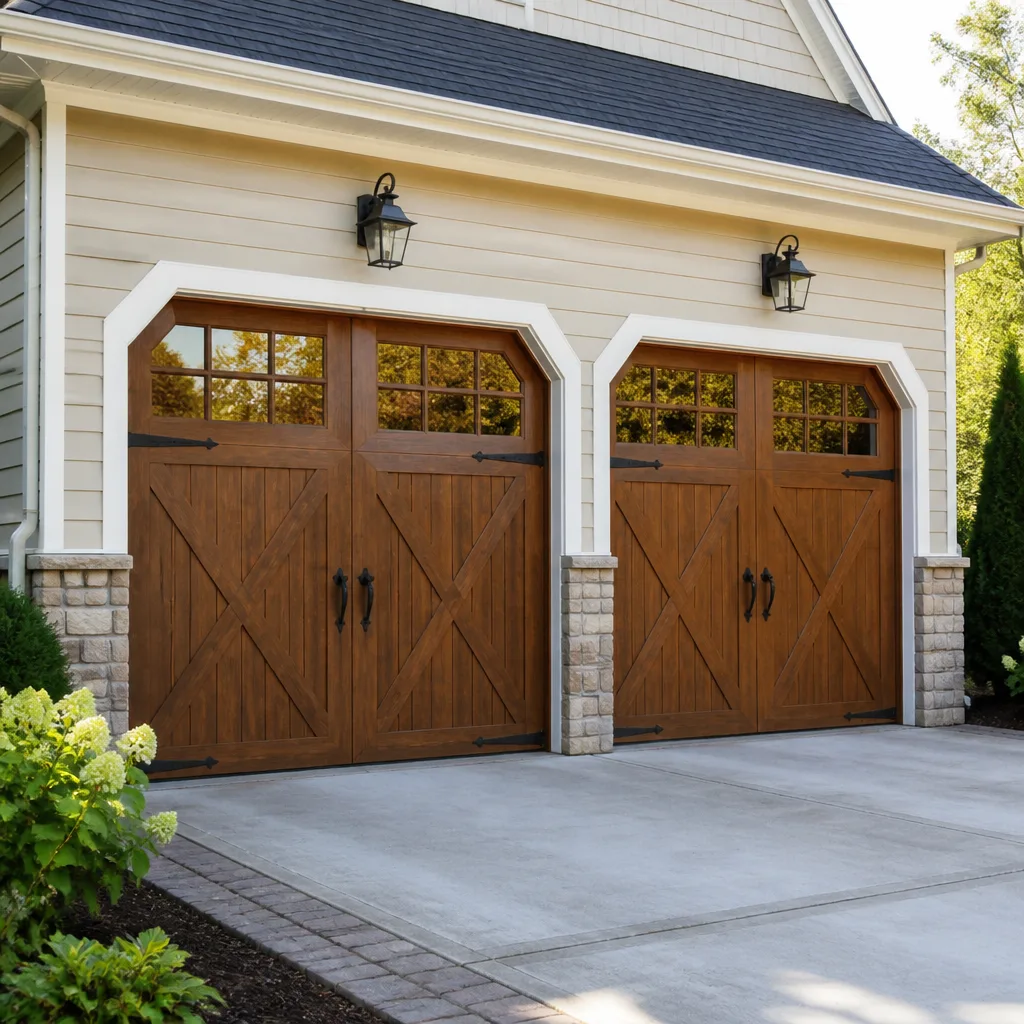 Carriage house
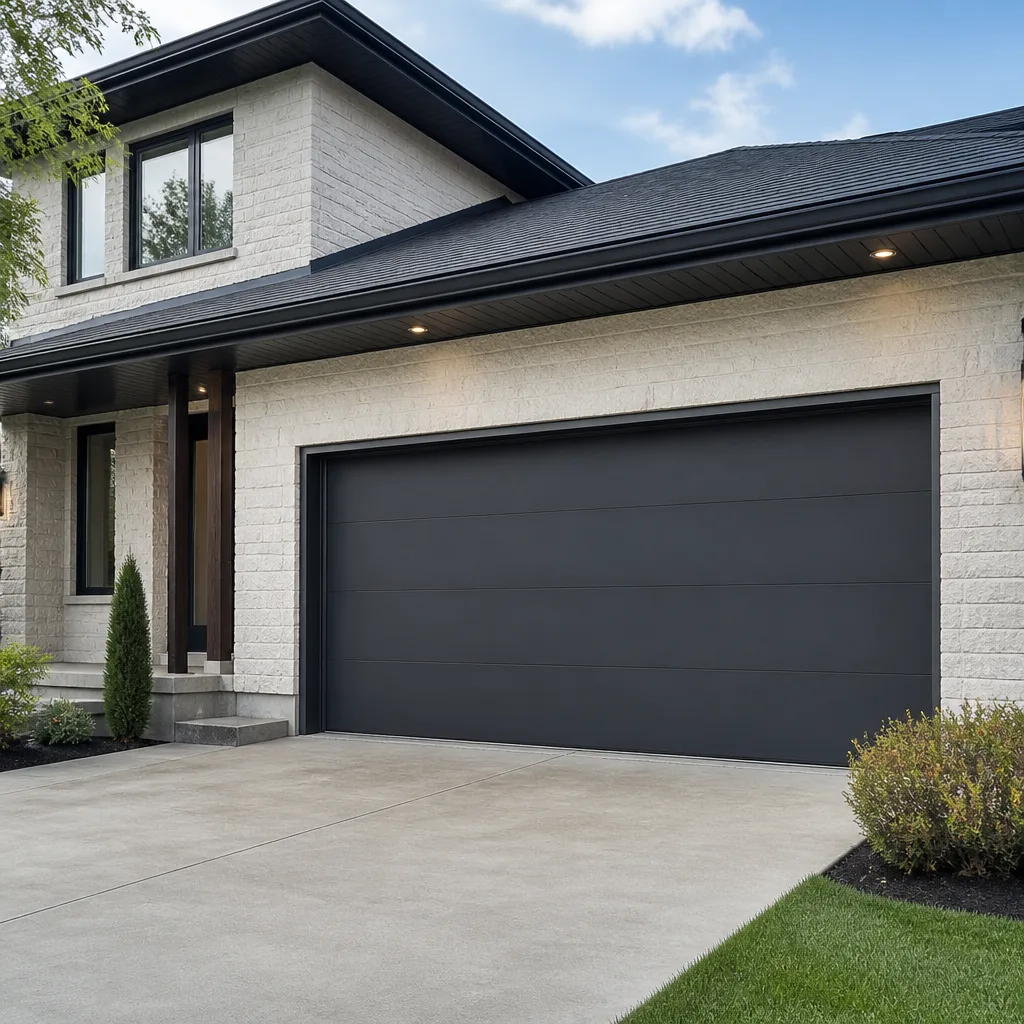 Modern flush
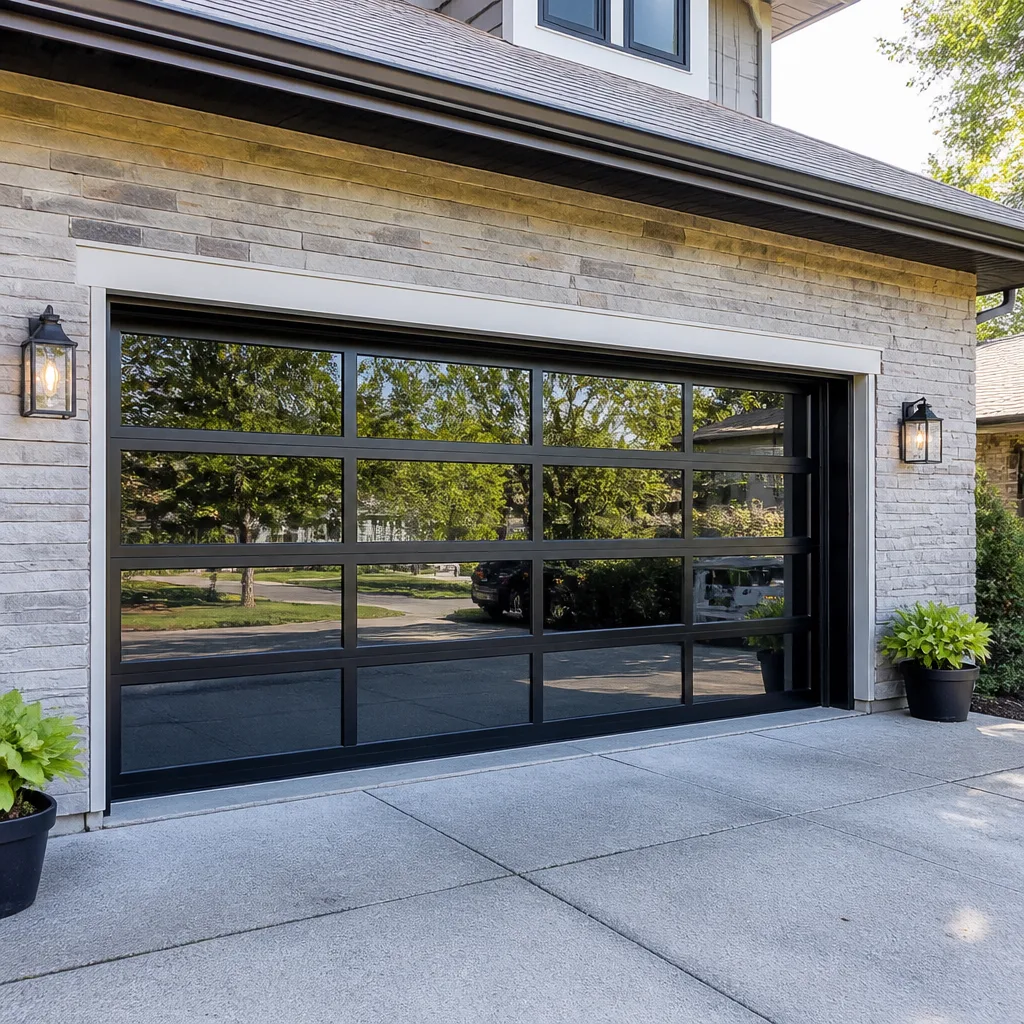 Full-view glass
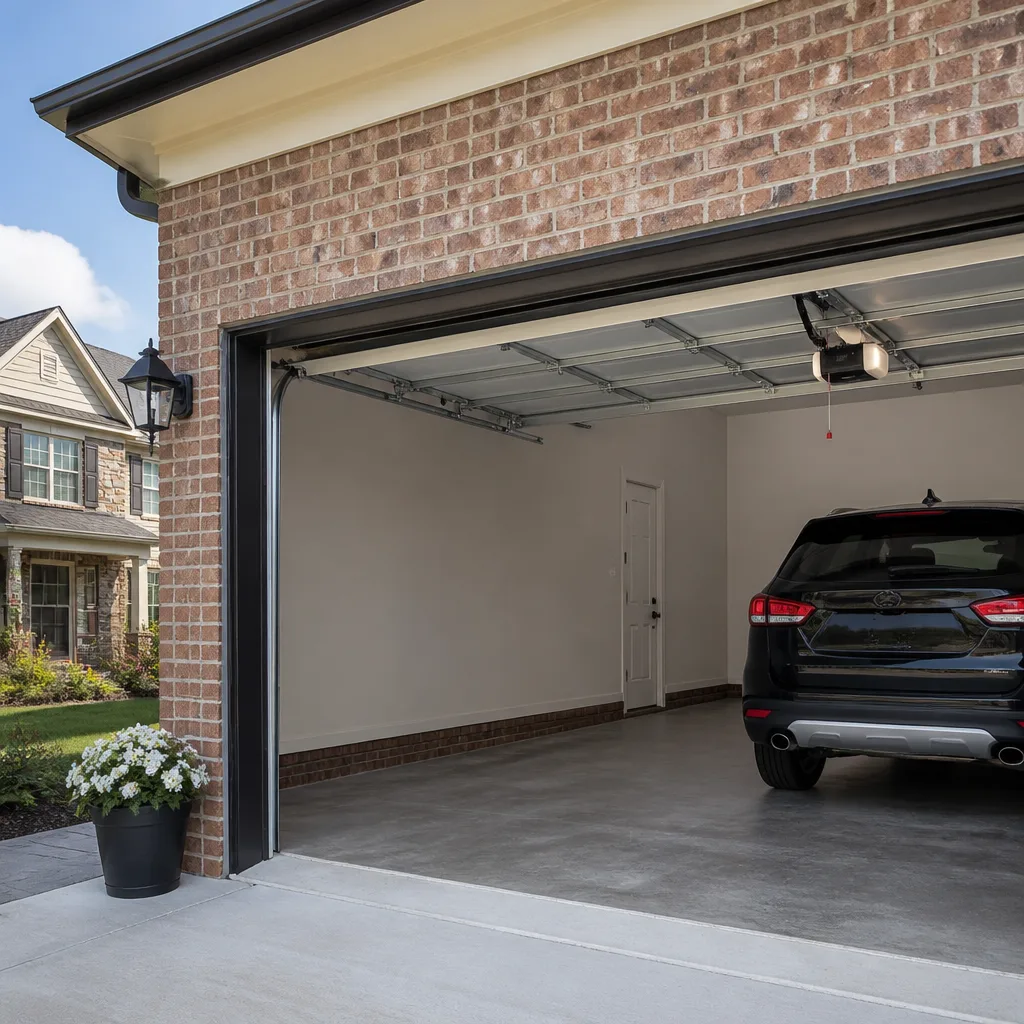 LiftMaster openers
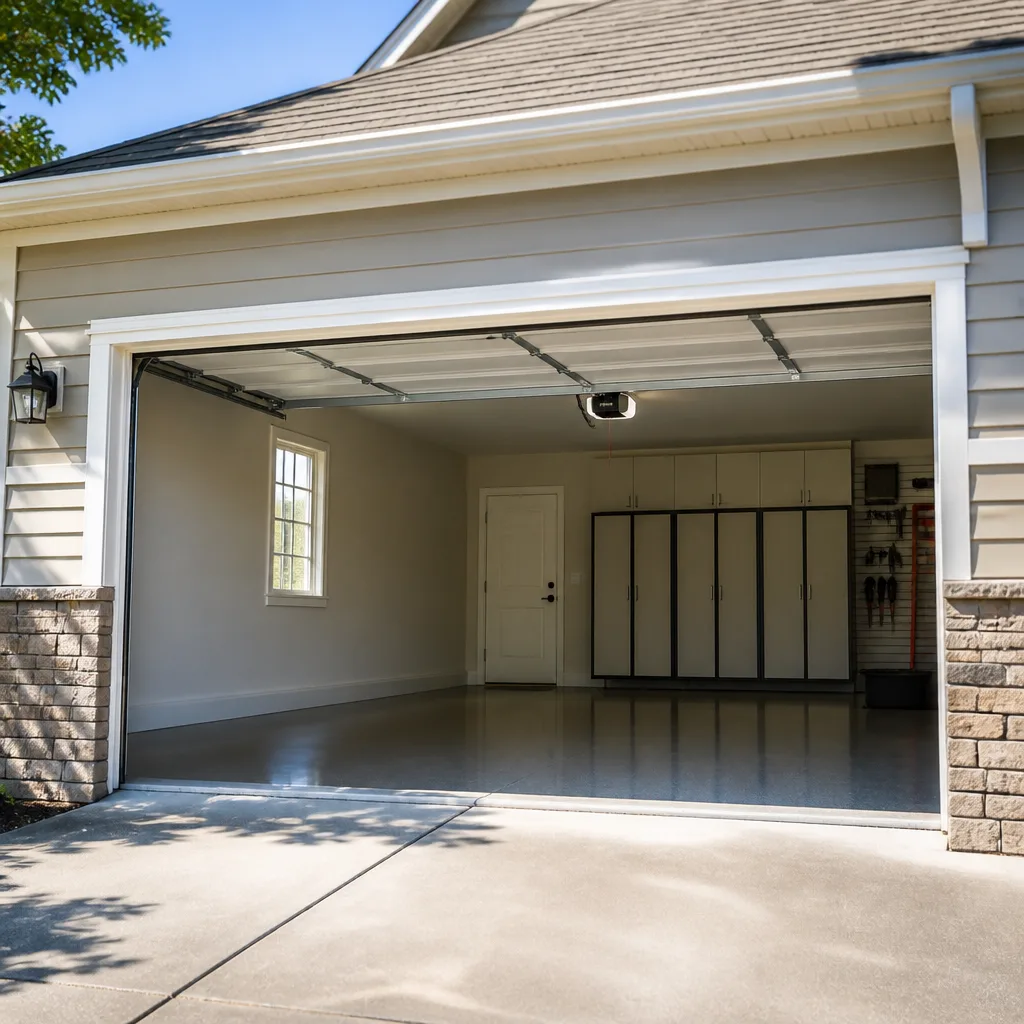 Chamberlain openers
Full 25-point door and opener safety check with every visit - springs, cables, rollers, tracks, and your LiftMaster or Chamberlain opener included
You get a price before we start. It does not change when the pro arrives.
Get your free estimateGarage Door Cost Breakdown: The Lakewood Ranch Homeowner’s Reference for 2026
If you’ve Googled garage door replacement costs and seen numbers between $800 and $1,500, those figures weren’t built for a home in Lakewood Ranch. National averages are calculated across a country where most doors don’t need wind-load documentation and most neighborhoods don’t have an architectural review committee deciding whether your panel style gets approved. Once you add Florida wind-load certification, HOA-compliant aesthetics, and the labor market in Manatee and Sarasota County, the floor moves up considerably.
This guide gives you the numbers that national calculators leave out. You’ll see what the door styles most Lakewood Ranch HOAs actually approve cost with and without insulation, what wind-load certification adds and why it isn’t optional, and where the hidden costs really live. By the end you’ll know what a fair quote looks like before you ever pick up the phone. We’re a garage door company that works in Lakewood Ranch every week, so the ranges here reflect what this market actually charges.
Quick Answer
Garage door replacement in Lakewood Ranch runs about $1,400 to $4,800 installed for most HOA-approved styles, with single-car doors landing near the low end and insulated double-car doors near the high end. Wind-load rated doors typically add $300 to $900 over a standard door, and basic repairs like a single spring run $180 to $340, while opener replacement runs $350 to $750. The written estimate always sets the final price.
Styles & brands we work with
- Raised-panel steel
- Carriage house
- Modern flush
- Full-view glass
- LiftMaster openers
- Chamberlain openers
Table of Contents
- Why National Cost Guides Miss Lakewood Ranch
- Door Styles Your HOA Approves and What They Cost
- What Wind-Load Certification Adds and Why It’s Required
- Labor Costs: Scheduled, Same-Day, and Structural Changes
- Parts-Only Costs for Common Repairs
- Where the Hidden Costs Live
- Permits, Codes, and the Paperwork Questions to Ask
- Common Mistakes to Avoid
- When to Call a Professional
Why National Cost Guides Miss Lakewood Ranch
The generic $800 to $1,500 replacement figure you’ll find on big home-improvement sites comes from averaging installs across the entire country. It doesn’t account for the specific conditions of a Florida installation. For a Lakewood Ranch homeowner, three of those conditions move the price up before anyone touches a track.
The first is wind-load certification. Florida Building Code requires that garage doors in this region be rated for the wind pressures they’ll face. That means the door isn’t a generic panel; it’s an engineered product with documentation that matches your opening. Certification isn’t a line item you can decline. It’s the price of a compliant installation.
The second is HOA approval. Lakewood Ranch has numerous community associations, and most of them control door appearance, not just function. An approved carriage house or flush panel style often costs more than the cheapest builder-grade door a national calculator assumes. If the association rejects your door after installation, you’re paying twice.
The third is the local labor market. Skilled garage door technicians in Manatee and Sarasota County command rates above the national average, and a two-tech install of a heavy insulated door is a real labor cost, not a quick one-person job.
Understanding these three factors is the difference between a budget that holds and one that gets a nasty surprise at the contract stage. In our experience, the homeowners who get the smoothest installs are the ones who ask about all three before they shop, not after.
Door Styles Your HOA Approves and What They Cost
Most Lakewood Ranch community associations approve three broad categories: carriage house, flush panel, and contemporary aluminum. Here’s what each typically runs installed, with and without insulation. These are estimated ranges for this market, not national averages.
Carriage House
- Single-car, uninsulated: $1,900 to $2,800
- Single-car, insulated: $2,400 to $3,400
- Double-car, uninsulated: $2,800 to $3,900
- Double-car, insulated: $3,500 to $4,800
Flush Panel
- Single-car, uninsulated: $1,400 to $2,200
- Single-car, insulated: $1,900 to $2,800
- Double-car, uninsulated: $2,100 to $3,200
- Double-car, insulated: $2,700 to $3,900
Contemporary Aluminum
- Single-car, uninsulated: $2,200 to $3,200
- Single-car, insulated (with glass): $3,000 to $4,200
- Double-car, uninsulated: $3,200 to $4,500
- Double-car, insulated (with glass): $4,200 to $5,600
Insulation in a Florida garage isn’t about surviving winter. It’s about heat. An insulated door keeps the garage several degrees cooler on a summer afternoon, which some homeowners care about and some don’t. It also quiets the door considerably and adds rigidity that holds up better over time. Many Lakewood Ranch HOAs explicitly approve certain insulated models in their design guidelines, so check with your association before falling in love with a style.
Brand matters for both availability and warranty. We work with doors from Clopay and Amarr, among others, because those manufacturers publish wind-load documentation that’s straightforward for an installer to match to a specific Florida opening. If you already have a brand preference from a neighbor’s door you liked, tell us and we’ll tell you whether it’s a fit for your HOA.
What Wind-Load Certification Adds and Why It’s Required
Wind-load certification typically adds $300 to $900 to a door replacement in Lakewood Ranch. That range covers the engineering documentation, the reinforced hardware, and the specific door model that carries the rating. It isn’t a fee anyone invents to pad the bill. It reflects that a rated door is a different, heavier, more specifically built product.
Here’s how this plays out in practice for a Lakewood Ranch installation:
- Your opening is measured and documented. The installer records the exact width, height, and structure of the opening, because the rating is tied to that specific size.
- A rated door model is selected. The manufacturer provides documentation showing that model meets the required wind pressure for your area.
- The permit package includes the documentation. The building department reviews the rated door and its installation instructions.
- Installation follows the rated instructions exactly. Reinforced hardware, specific anchor patterns, and the correct track setup are part of the certification.
Why does this matter beyond compliance? A door that isn’t rated for local wind pressures is a safety concern in a storm, and it can trigger problems at inspection or resale. Florida Building Code isn’t a suggestion, and the paperwork is part of the job. A door that passes inspection is a door you can stand behind.
If you’re unsure what your community requires, the building department for your city is the place to ask. We can tell you what we see on installations in Lakewood Ranch, but the final word on code and permitting comes from the department, not from us. If you want to know more about what a code-compliant installation involves, our guide to garage door repair covers the practical side of the process.
Labor Costs: Scheduled, Same-Day, and Structural Changes
Labor is where quotes diverge most, and where you need to read a contract carefully. A scheduled installation of a standard replacement is one price; a same-day emergency install is another; and any situation where the opening needs modification is a third. Here’s what drives each.
Scheduled Installation
A scheduled install is the standard path. You get a free measure, the door is ordered in your approved style and rated configuration, and the install happens on a planned date. Labor here is predictable, and you’re paying for a two-technician crew working from a known plan. Installation is measured, ordered, and scheduled, so we don’t promise same-day placement for new doors. We do promise a written price before you commit.
Same-Day and Emergency Work
Emergency labor is a different situation. If a spring snaps and the door is stuck or the house is open, the priority is getting the door secured and functional, not selecting a new panel. Emergency work carries a different labor rate because it’s disruptive and urgent, and because it happens outside a normal scheduled install. We offer dedicated emergency response, not emergency scheduling. This applies to repairs and spring work, not installation.
Structural Modification
Sometimes the opening itself needs work: a header that’s out of level, a jamb that’s damaged, or a rough opening that doesn’t match standard door dimensions. These are the structural issues that add to a quote. A good installer flags them at the measure, before ordering, not on install day. That’s the whole point of the free measure. If something has to change structurally, you should know the cost in writing before the door arrives.
If you want a measure and a price, call (855) 337-2033. We’ll come out, document the opening, and give you a written estimate. No surprises after the fact.
Parts-Only Costs for Common Repairs
Not every garage door problem needs a new door. Knowing what a fair repair quote looks like helps you spot an oversell and helps you decide when repair is the right call. Here’s a comparison of the most common repair categories and their typical installed costs in Lakewood Ranch.
| Repair | Typical Installed Cost | Notes |
|---|---|---|
| Torsion spring (one) | $180 to $340 | Matched pair usually replaced together, so a pair costs about twice that |
| Extension spring | $150 to $280 | Per spring; pairs similarly priced |
| Cable replacement | $150 to $300 | Per cable; cables should be replaced when worn, not patched |
| Roller replacement (full set) | $100 to $250 | Nylon rollers quiet the door and last longer |
| Opener replacement | $350 to $750 | Includes labor and a standard belt-drive or chain-drive opener |
| Opener repair (board, gear, sensor) | $120 to $280 | Often less than a full opener replacement |
| Track or hinge repair | $100 to $350 | Varies widely with damage to the opening |
Spring pricing is worth calling out specifically. A spring quote is for one spring. Springs wear as a matched set, so when one fails the other is usually close behind. Replacing both at once is normal and the price reflects two springs. If you’re reading a quote that lists one price and you have a torsion system with two springs, ask what’s actually being replaced.
Spring repair is high-stakes work. Torsion springs are under significant tension, and a mistake can cause serious injury. This is not a homeowner project. Our technicians are trained specifically on torsion and extension systems, and if you want a deeper explanation of what that work involves, our page on garage door spring repair goes into it. If your opener is the problem instead, our guide to garage door opener repair covers how we diagnose and fix openers from LiftMaster, Chamberlain, Genie, Craftsman, and Raynor systems.
Where the Hidden Costs Live
Sticker shock rarely comes from the door itself. It comes from the extras that show up after the initial estimate. National cost guides don’t mention these because they vary so much by jurisdiction and by household. In Lakewood Ranch, these are the items that most often get added:
- Haul-away and disposal of the old door. Removing and disposing of a steel or aluminum door isn’t free; it’s a truck, a tipping fee, and labor. Ask whether it’s included or a separate charge.
- Permit fees. The building department charges for the permit, and some installers pass that through. It’s a real cost, and you should see it on the quote.
- Keypad replacement. If your old keypad is incompatible with a new opener or door, it’s an add-on. The same goes for wall consoles.
- Safety sensor replacement. Sensors at the base of the door are often the first component to fail. If they’re old, they may not survive the switch to a new opener.
- Spring replacement during install. If the installer removes your door and finds the springs are near the end of their life, they’ll flag it. It’s a safety call, not an upsell, but it’s a real additional cost.
- Decorative hardware. Carriage house style sometimes adds hinges and handles for appearance. Those are typically extra.
Our approach is simple. The written estimate sets the final price. If something unexpected shows up at the measure, we tell you before you commit. If you’re comparing quotes and one is dramatically lower than another, check whether these items are in the first price or added at the end. The lower quote often isn’t a lower total.
One more thing worth knowing: limited local inventory. Because Lakewood Ranch doors need specific rated models and HOA-approved styles, not every configuration sits on a shelf nearby. A custom or non-standard size may mean a lead time, and some installers price expedited ordering into the quote. Ask about lead time when you get your estimate. A scheduled install with a realistic date beats a promise that slips.
Permits, Codes, and the Paperwork Questions to Ask
Door replacement in Lakewood Ranch generally requires a permit, because the code requires that wind-load documentation be reviewed. Most cities require a permit for this kind of work, so ask your city’s building department what applies to your address. The important questions for your installer are simple:
- Is the permit included in the quote, or is it a separate line? It should be one or the other, clearly stated.
- Does the door model you’re proposing carry the wind-load documentation for my opening? A yes without the paperwork isn’t a yes.
- Will the installation pass inspection? The installer should be comfortable with the inspection process for your jurisdiction.
- Does my HOA need to approve this door before order? Some communities require an architectural approval before the door is ordered. Doing it first avoids a costly mistake.
We don’t publish code section numbers or invent a timeline for inspection, because these vary by city and change over time. What we can say is that the permit and documentation side of a Lakewood Ranch install is part of the job, not an afterthought, and any installer who treats it as an inconvenience is one to step away from.
See the difference
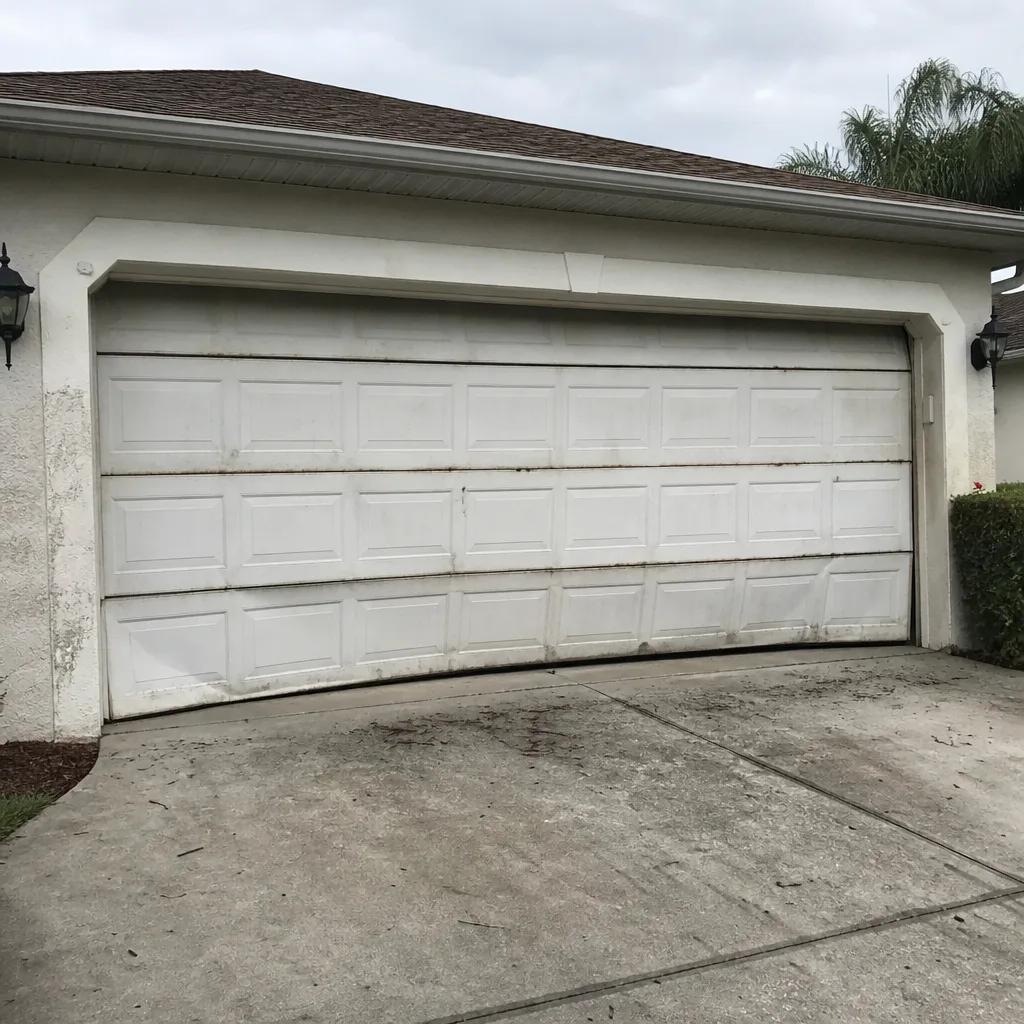 Before
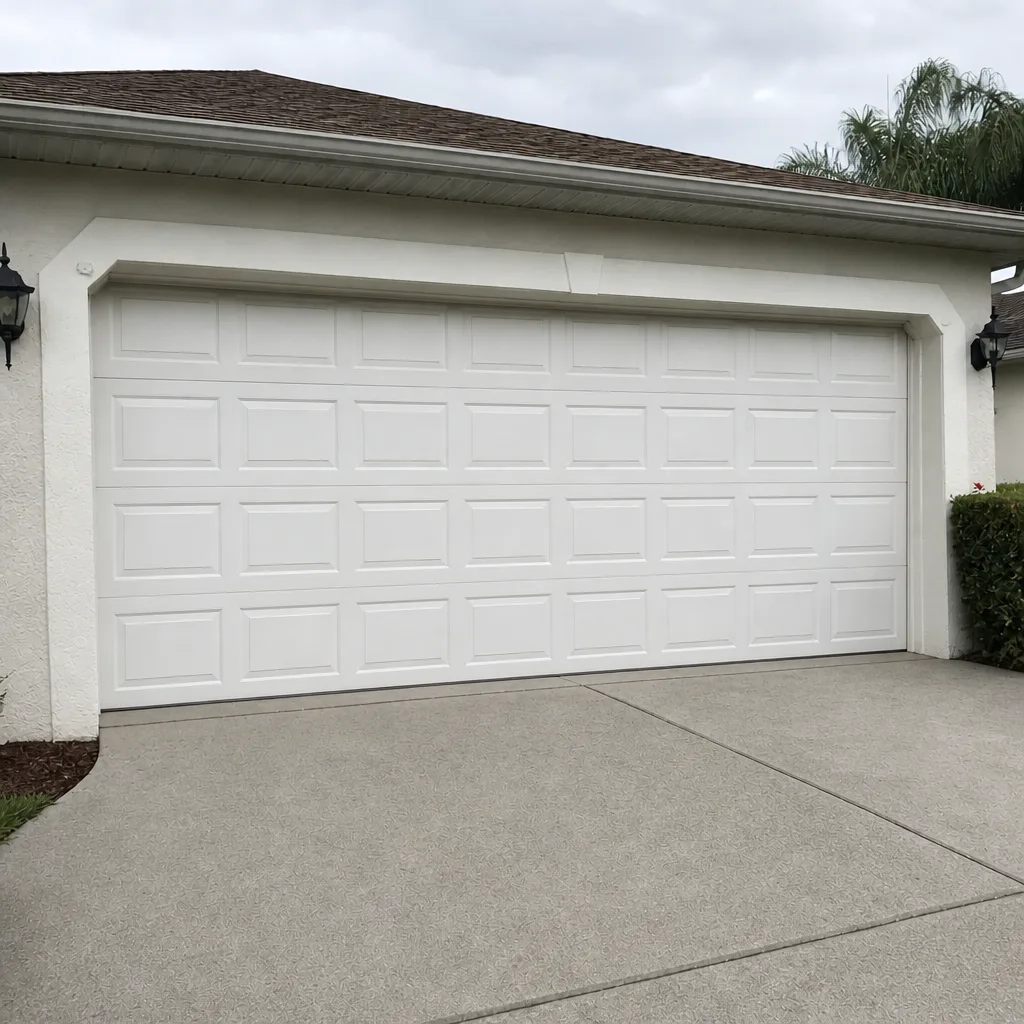 After
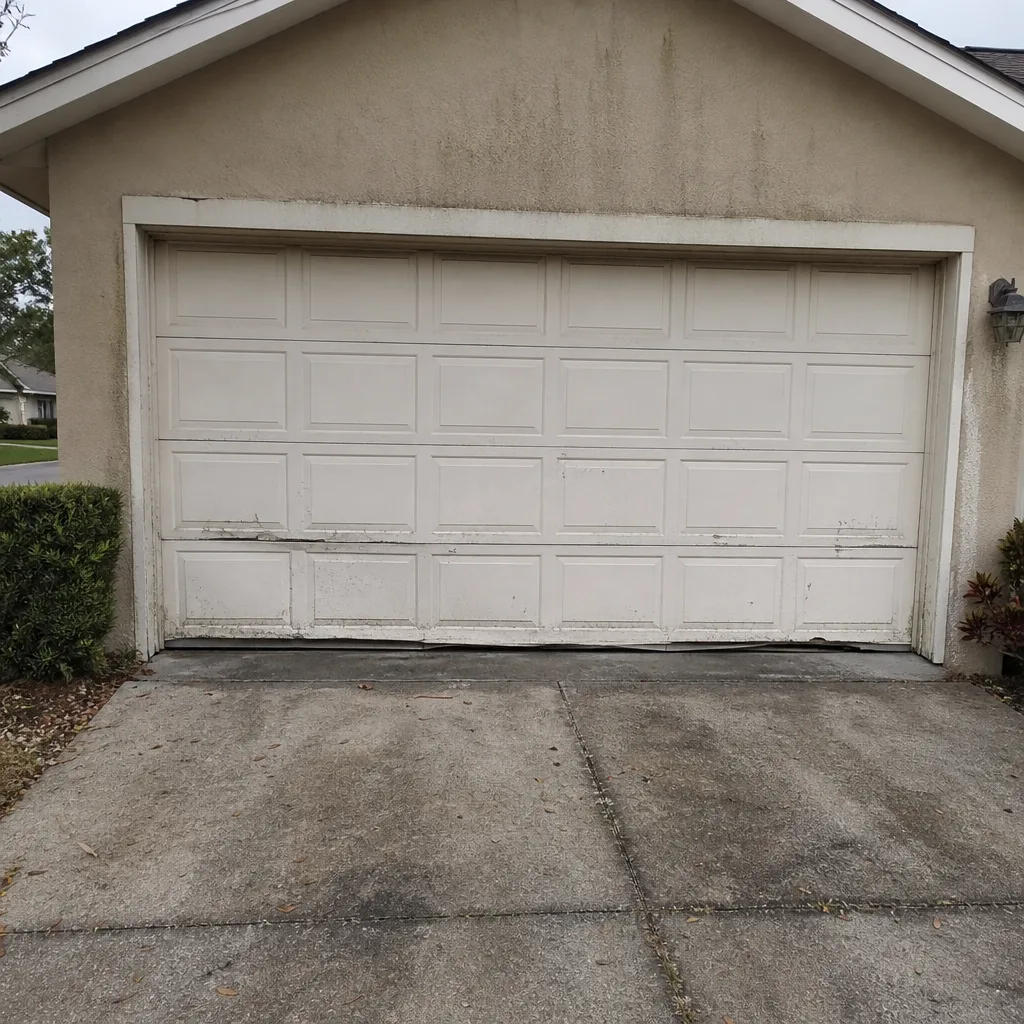 Before
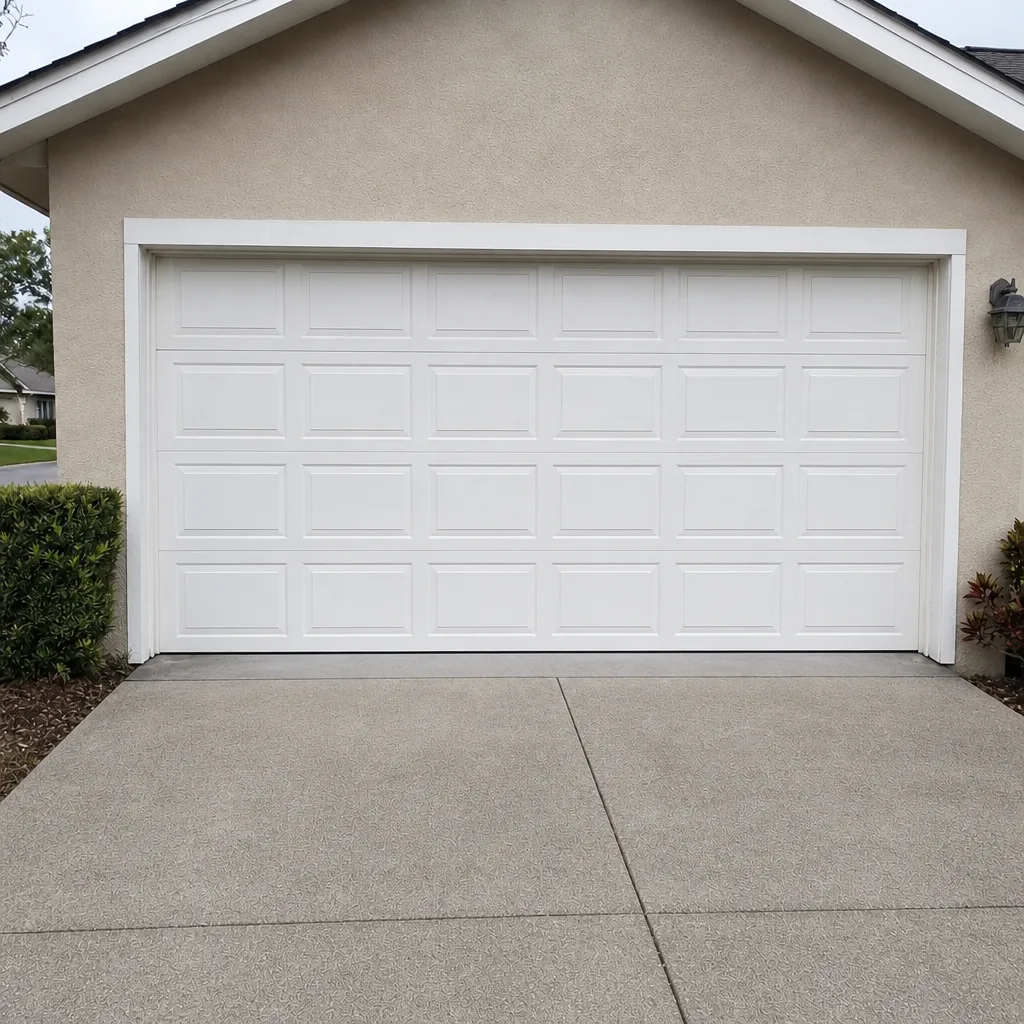 After
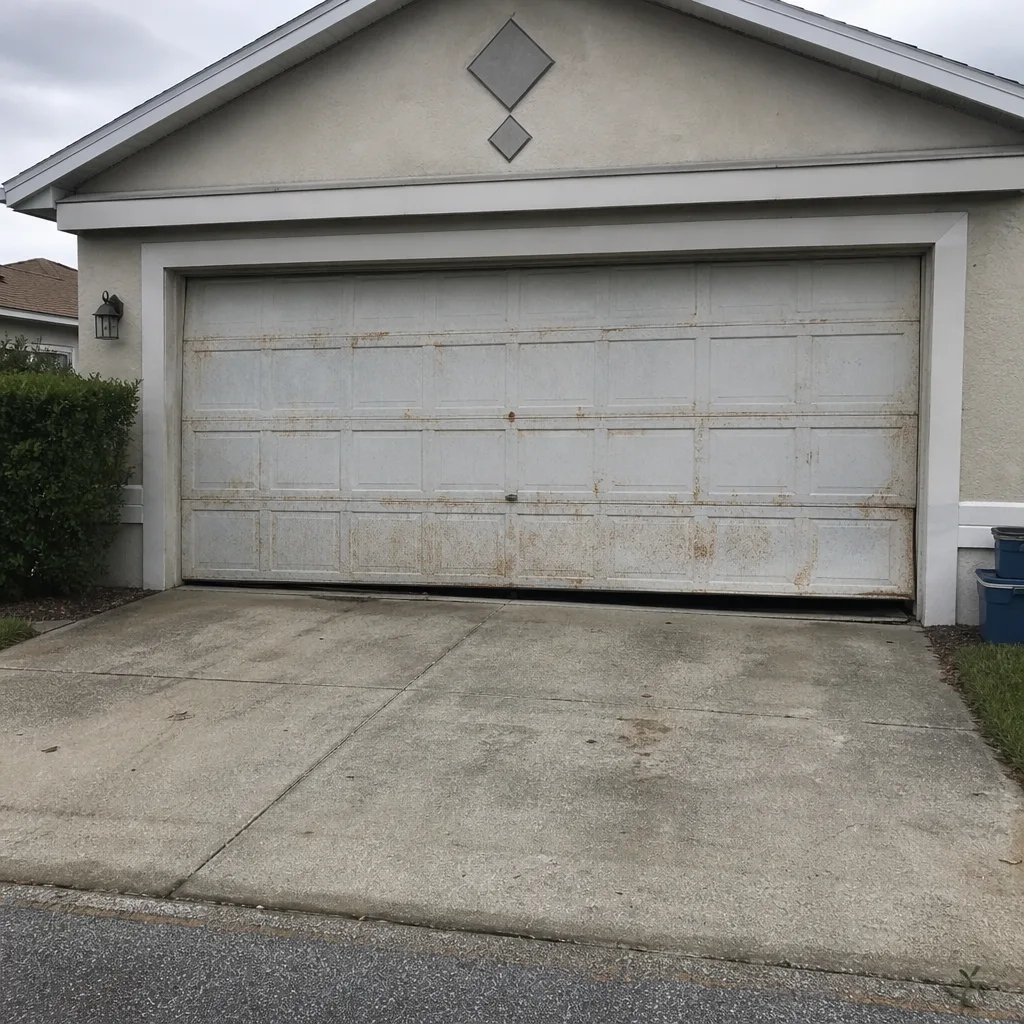 Before
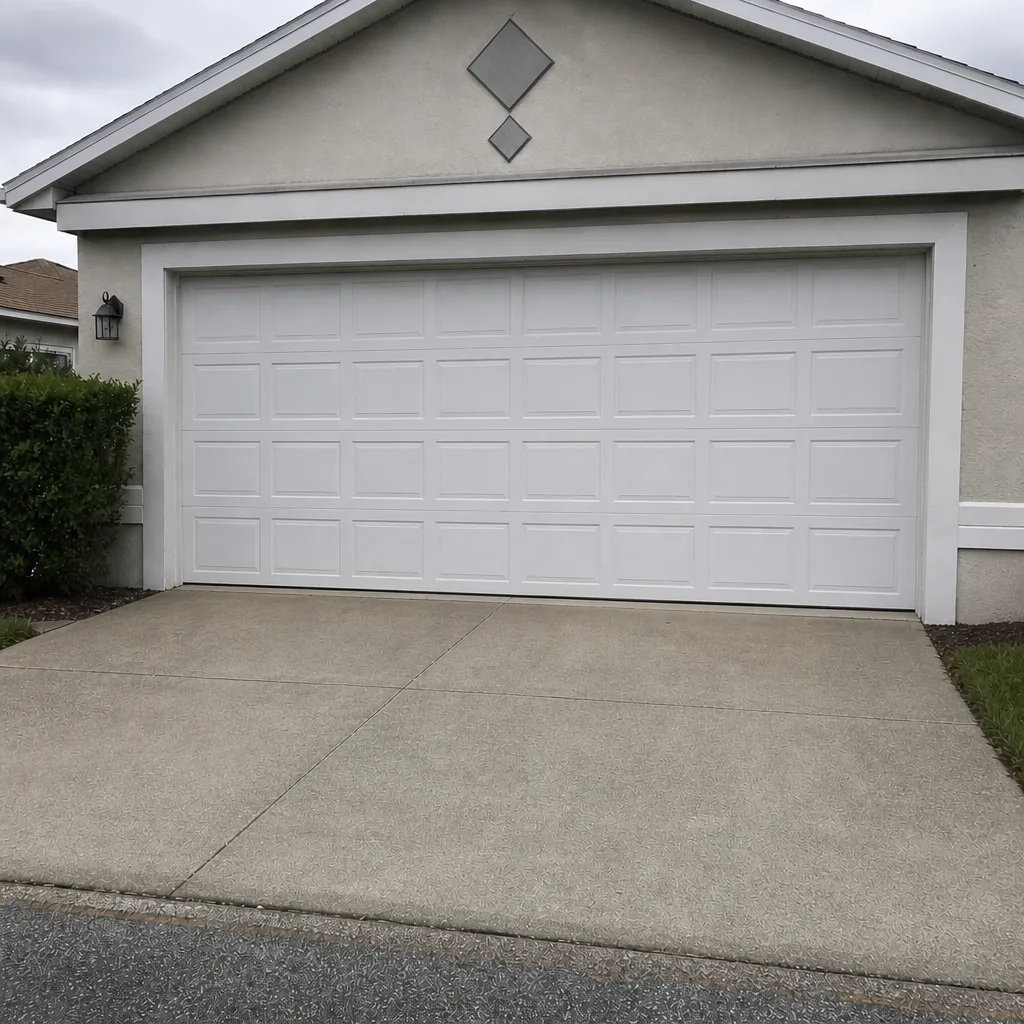 After
Common Mistakes to Avoid
- Ordering a door before the HOA approves it. A door that the association rejects after installation is a door you paid for twice. Get the style approved in writing first.
- Skipping the wind-load question. A quote that doesn’t mention rated documentation for a Lakewood Ranch home is either incomplete or non-compliant. Ask directly.
- Replacing only one spring. Springs wear as a pair. Replacing one leaves the other one near failure, and you’ll be back soon paying labor again.
- Treating the lowest quote as the best price. A quote that omits haul-away, permit, and sensor replacement isn’t cheaper; it’s incomplete. Compare totals, not headlines.
- Assuming same-day is always better. For a new door, a measured, ordered install gets you the right door. A rushed install gets you a door that doesn’t fit the opening or the HOA rules.
- Ignoring opener compatibility. If you’re keeping an older opener and replacing the door, the opener may not be strong enough to lift a heavier insulated door. Ask about the pairing before you order.
- DIY spring work. Torsion springs are dangerous. This is the one job worth paying a specialist for, every time.
When to Call a Professional
Some door problems are cosmetic; others are safety issues or security risks. Call a professional when a spring has snapped and the door is stuck or not staying up, when the door is off its tracks or has come down unevenly, when the opener cycles but the door doesn’t move, or when a cable has frayed or come loose. Call us when you’re hearing a loud pop from the torsion bar, or when the door is visibly sagging. Also call when the door is due for replacement and you need a compliant, approved measurement before you buy.
Lakewood Ranch Garage Door Repair offers free estimates in Lakewood Ranch. Our technicians have up to 10 years of experience, and we work on LiftMaster, Chamberlain, Genie, Clopay, Amarr, Wayne Dalton, Craftsman, and Raynor equipment. Call (855) 337-2033 for a free estimate, and we’ll tell you straight what your door needs.
Frequently Asked Questions
A garage door replacement in Lakewood Ranch typically runs $1,400 to $4,800 installed for HOA-approved styles, with single-car flush panel doors at the low end and insulated double-car carriage house or aluminum doors at the high end. Wind-load documentation, HOA-required styles, and the local labor market all push these ranges above national averages. The written estimate sets your final price. Call (855) 337-2033 for an exact quote; estimates are free.
A single spring repair typically costs $180 to $340 in Lakewood Ranch, and because springs are replaced in matched pairs, a pair usually runs about twice that. The price reflects that this is high-stakes work done by technicians trained on torsion and extension systems. Call (855) 337-2033 for an exact quote; estimates are free.
Most cities require a permit, so ask your city’s building department what applies to your address. In Florida, the permitted process includes review of the door’s wind-load documentation, which is not optional. A compliant installation includes that paperwork. Call (855) 337-2033 and we’ll walk you through what your installation will need.
Three things drive the difference: wind-load certification, HOA-approved door styles, and the Manatee and Sarasota County labor market. A national cost calculator doesn’t account for any of them. When you compare quotes, compare the totals including these items. Call (855) 337-2033 for a written estimate built for Lakewood Ranch.
Yes, for repair and spring work we offer dedicated emergency response, not emergency scheduling, so urgent calls get urgent action. For a new door installation, the work is measured, ordered, and scheduled, so it isn’t same-day. Call (855) 337-2033 and we’ll tell you exactly what’s possible for your situation.
No. The price is quoted and agreed before any work starts, and the written estimate sets the final price. If we find something at the measure that changes the scope, we tell you before you commit. Call (855) 337-2033 for a free estimate.
We work on eight major brands: LiftMaster, Chamberlain, Genie, Clopay, Amarr, Wayne Dalton, Craftsman, and Raynor. That coverage matters for installation because the right rated model has to be matched to your opening. Call (855) 337-2033 and we’ll tell you what fits your door.
The Bottom Line
Garage door costs in Lakewood Ranch are higher than national averages, and for good reason: wind-load certification, HOA-approved styles, and a competitive local labor market all add to the number. A realistic budget for a replacement is $1,400 to $4,800 installed, with wind-load documentation adding $300 to $900, while common repairs like springs run $180 to $340 per spring and opener replacement runs $350 to $750. The written estimate is the price, so ask about permits, haul-away, and sensor and keypad replacement before you commit. Knowing the real numbers is how you avoid sticker shock.
If you’re ready to know exactly what your door needs, call Lakewood Ranch Garage Door Repair at (855) 337-2033 for a free estimate. One call covers repair, opener work, spring repair, new installation, and emergency response, and the estimate is free. We’ll give you a straight answer on cost and timing, and you’ll know your options before you decide. To learn more about the full range of what we handle in Lakewood Ranch, start with Lakewood Ranch Garage Door Repair.
Written by the team at Lakewood Ranch Garage Door Repair.