Last updated November 20, 2026
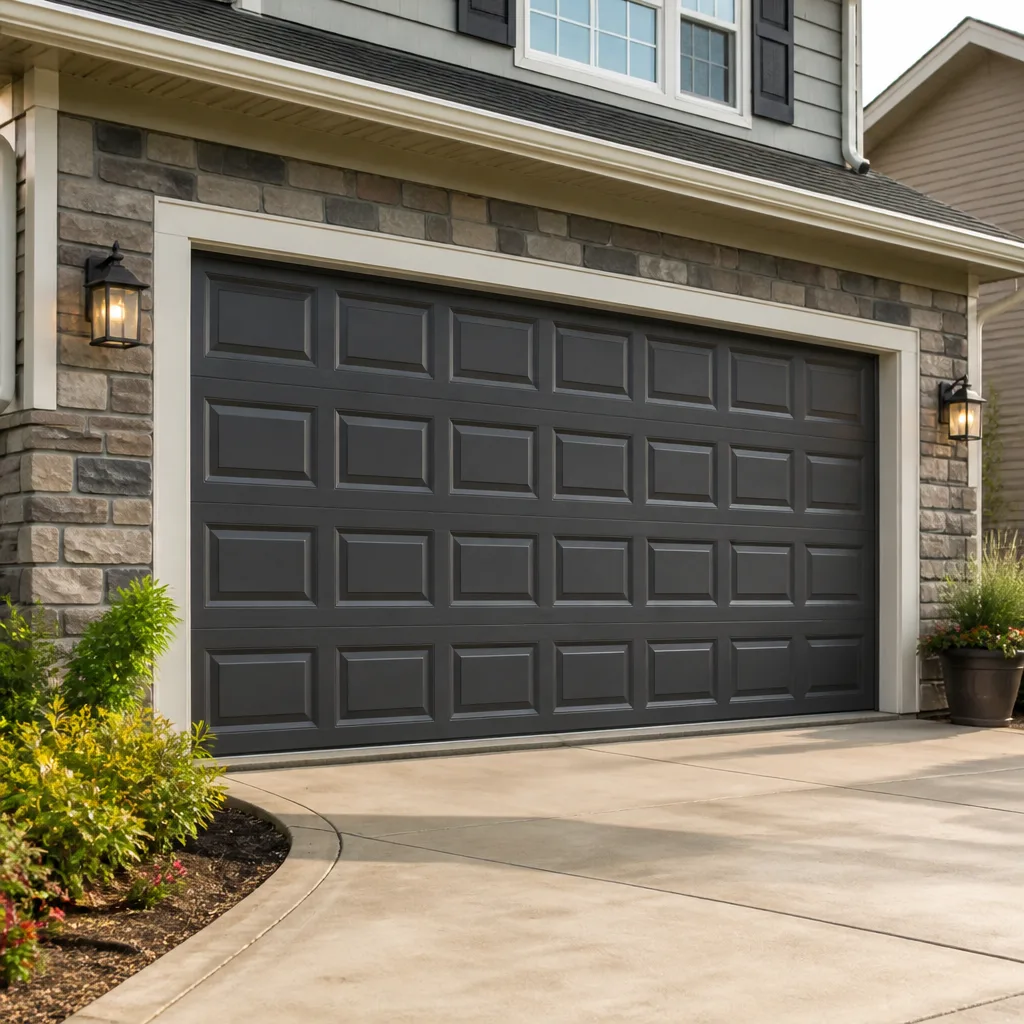 Raised-panel steel
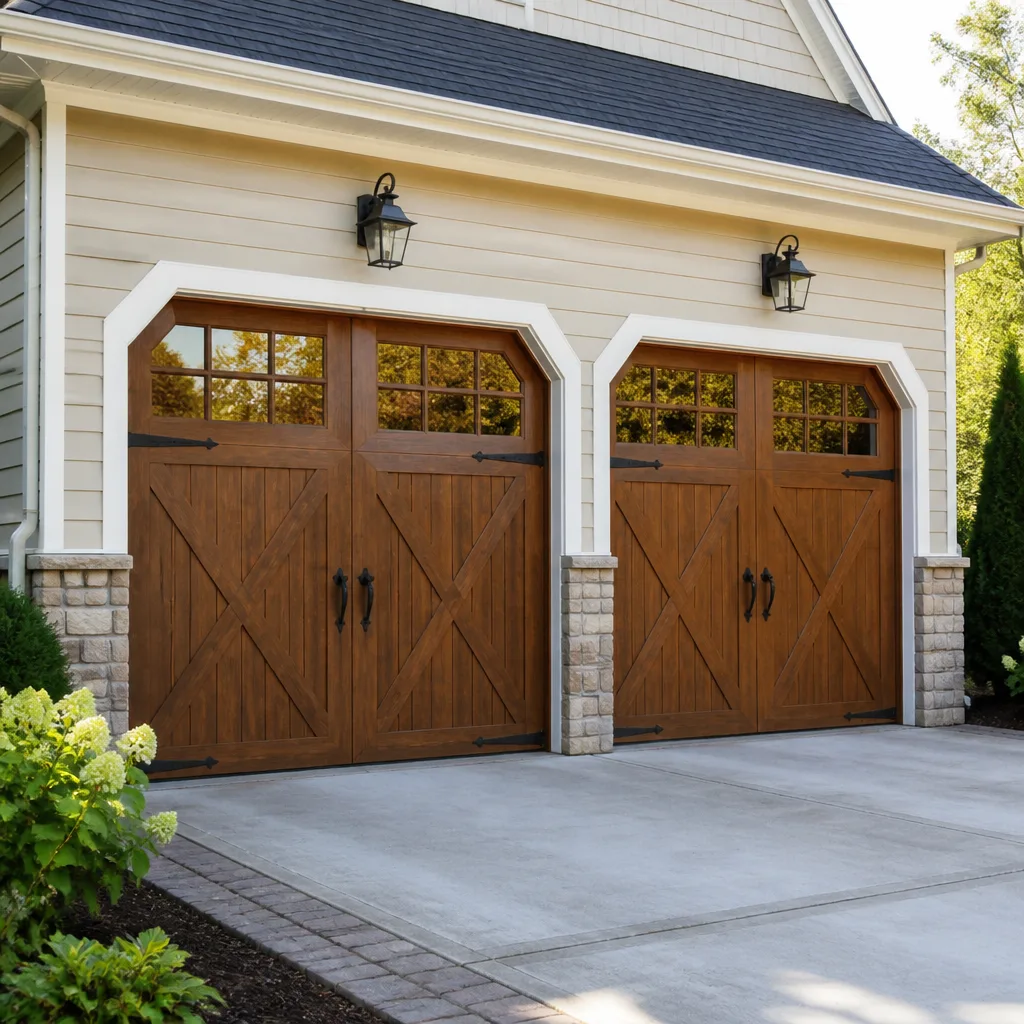 Carriage house
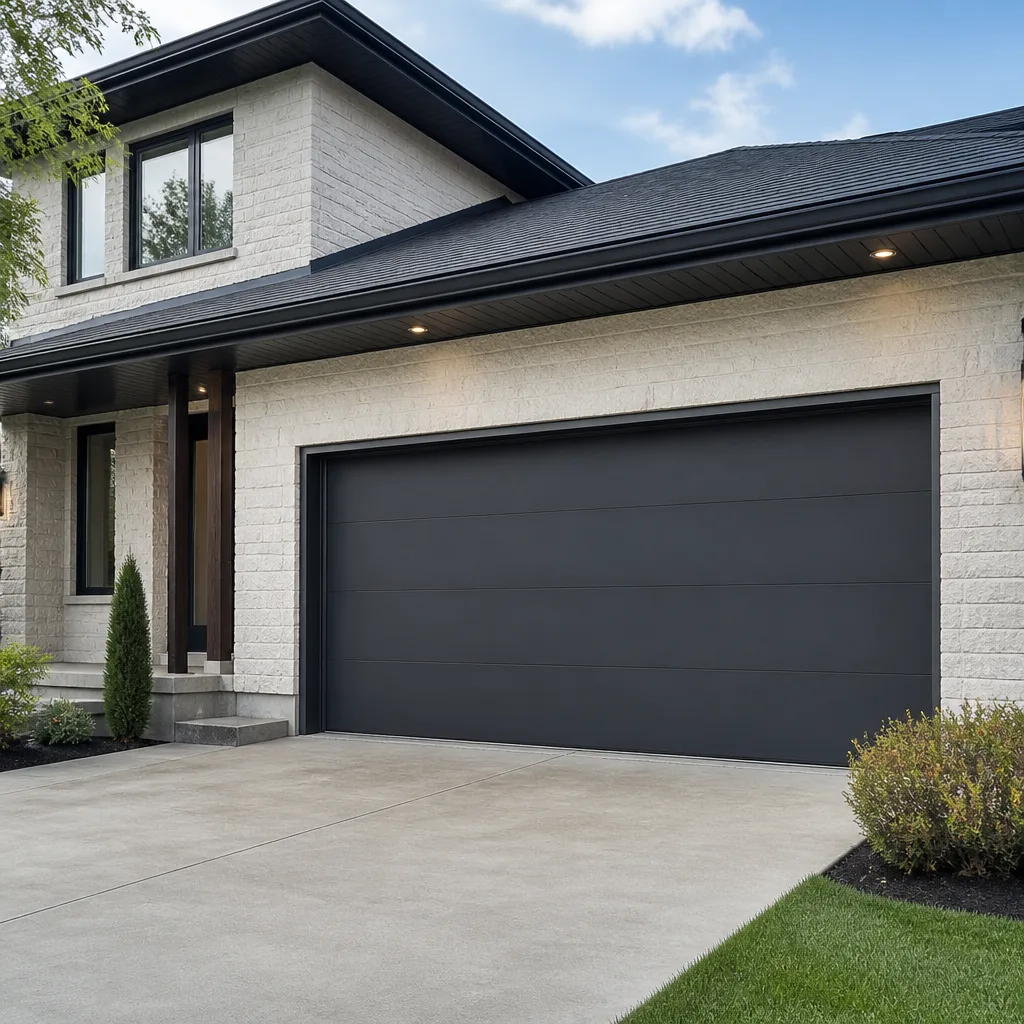 Modern flush
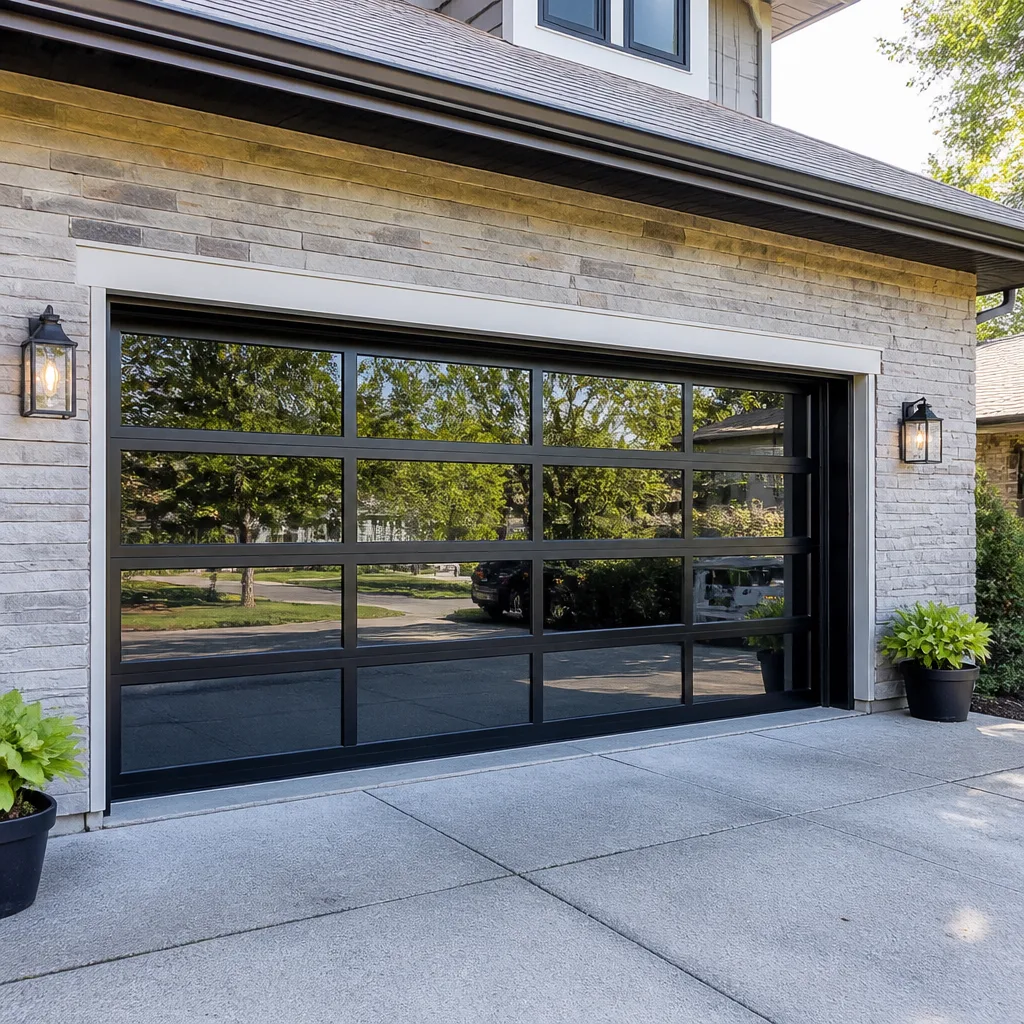 Full-view glass
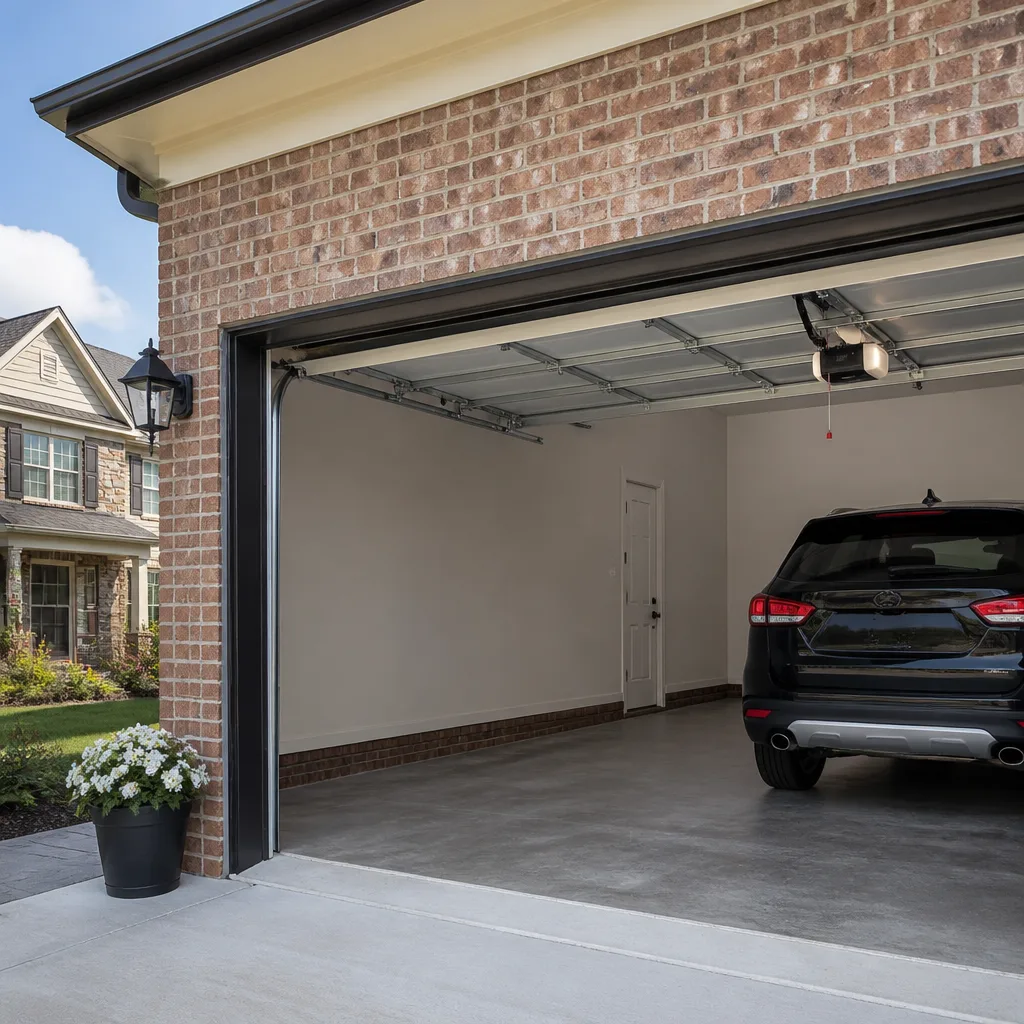 LiftMaster openers
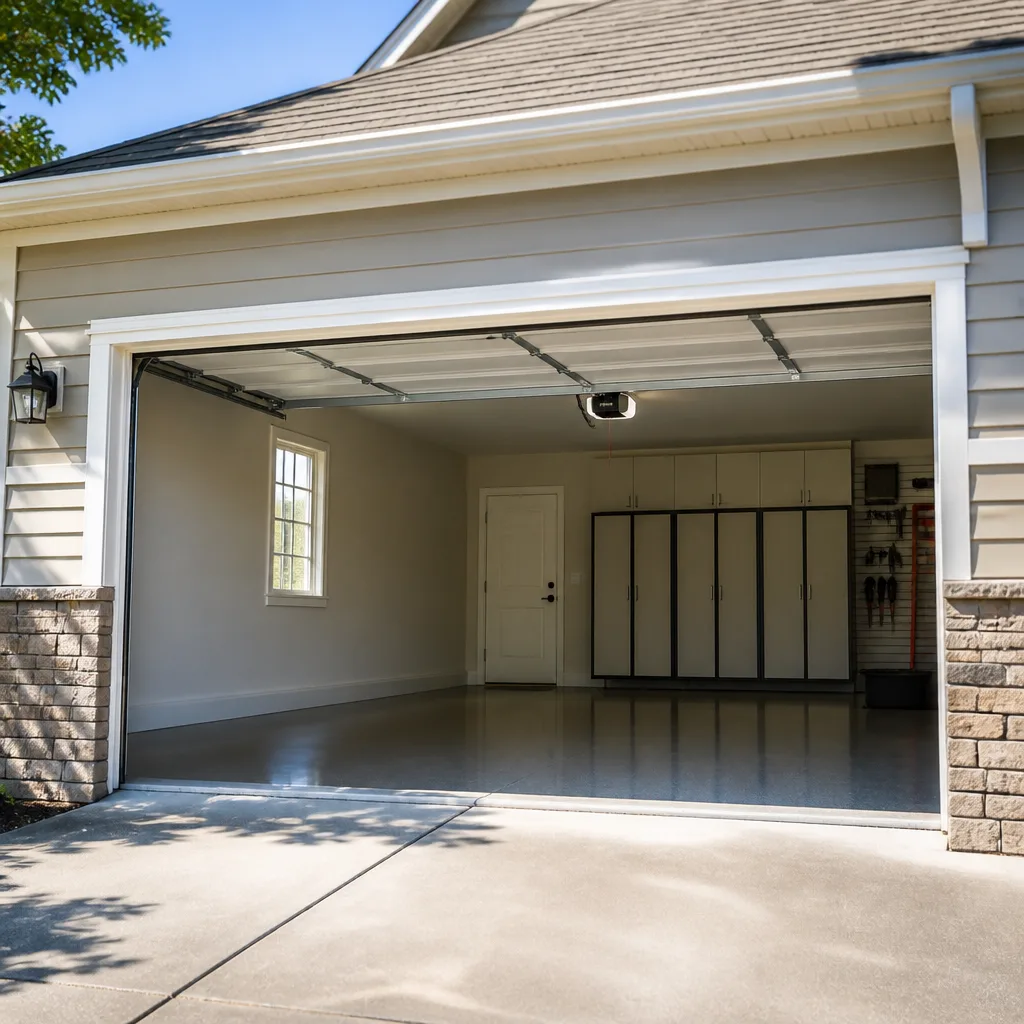 Chamberlain openers
Full 25-point door and opener safety check with every visit - springs, cables, rollers, tracks, and your LiftMaster or Chamberlain opener included
You get a price before we start. It does not change when the pro arrives.
Get your free estimateGarage Door Emergency Preparedness Guide for Lakewood Ranch Homes
Most Lakewood Ranch homeowners treat the garage door opener as a convenience until the day it isn’t. A spring snaps, the power goes out, a storm rolls through, and suddenly the conversation shifts from routine to urgent. Here’s the part most people miss: the door itself is rarely the only problem. In our experience across Lakewood Ranch, the bigger failure is preparation. Homeowners know how to open the door with a remote but not how to release it by hand, and that gap is what turns a manageable inconvenience into a stuck car or an open, unsecured house. This guide walks through the steps that close that gap, from manual release operation to battery backup openers, pre-storm inspections, and post-storm protocols.
Quick Answer
Preparing your garage door for emergencies in Lakewood Ranch means four things: knowing how to operate the manual release safely, having a battery backup opener that genuinely works during an extended outage, inspecting the door’s bottom seal, panels, and track hardware before storm season, and refusing to run the opener after a storm until you’ve checked that the door still sits square in its frame. Do those four things and most garage door emergencies stop being emergencies.
Styles & brands we work with
- Raised-panel steel
- Carriage house
- Modern flush
- Full-view glass
- LiftMaster openers
- Chamberlain openers
Table of Contents
- How Do You Operate the Manual Release on a Garage Door?
- Do Battery Backup Openers Actually Work During an Outage?
- What Should You Check Before a Storm Hits?
- What’s the Right Post-Storm Protocol for Your Garage Door?
- What Do You Do When the Power Goes Out and the Car Is Trapped?
- What Information Should You Have Ready Before You Call?
- The Seasonal Preparedness Checklist for Lakewood Ranch
How Do You Operate the Manual Release on a Garage Door?
The manual release is a red cord (sometimes a handle) hanging from the opener’s trolley, and pulling it disconnects the door from the motor so you can lift it by hand. It’s simple. It’s also the component homeowners most often get wrong during a wind event, because pulling it at the wrong moment can let a door drop or swing with nothing holding it. Understanding what it does before you need it is the whole point.
Here’s how a manual release is designed to work:
- Identify the cord while the door is closed and the power is calm. It hangs from the trolley that rides the rail above the door. Don’t wait for a storm to find it.
- Disconnect only when the door is fully closed and settled. Pull the cord straight down and away from the door path. Do not pull it while the door is mid-travel or being pushed by wind.
- Lift the door with two hands, evenly. A well-balanced door lifts with modest effort. If it feels heavy or binds, stop. That’s a sign of a spring or track problem, and forcing it can bend panels or injure you.
- Reconnect it deliberately. With the door fully closed, pull the release cord so the trolley re-engages, or follow the reconnect procedure in your opener manual. Run the opener once to confirm it catches.
The wind-event part matters most. If the door is open or partially open when the cord is pulled, the door has no motor tension and no spring assistance holding it in place; a gust can slam it down or blow it out of the tracks. In a hurricane, that’s the moment panels become projectiles. We tell Lakewood Ranch homeowners to practice the release motion with the door closed, on a calm day, so the hand knows what to do when it counts. Spring systems carry dangerous tension, and a door that isn’t working right may have a tension problem, so if the door fights you, stop and let a trained technician handle it.
Do Battery Backup Openers Actually Work During an Outage?
Some do. Many only cover a few cycles before the battery gives out, and a handful of older openers have no backup at all. The difference matters when the power is out for a day after a storm and your car is in the garage.
How to tell which one you have:
- Look for a battery in the opener housing or a separate battery case. The models sold as “battery backup” openers carry a rechargeable pack. LiftMaster and Chamberlain units are common in Lakewood Ranch garages, and many newer ones ship with the pack installed or available as an add-on.
- Test the cycle count. Unplug the opener and count how many open-and-close cycles you get. A healthy backup pack typically handles several cycles, enough to get cars out and back in. A pack that dies after one or two cycles is either old or undersized.
- Check the battery age. Backup packs degrade. A pack three or more years old may not hold enough charge to be useful in a real outage.
- Confirm the opener has a rail-mounted manual release too. Backup is not a substitute for the cord. It’s a supplement.
The honest answer on backup openers: the ones that work as advertised handle the “get the cars out on day one” job. They don’t guarantee a door that opens and closes all week. If your power tends to be out for long stretches, plan on the manual release as your primary method and the battery as the convenience layer. For Lakewood Ranch homes with Genie or Chamberlain openers, a battery upgrade or replacement may be the difference between leaving the driveway and being stuck. If you’re unsure what your opener can do, a garage door opener repair visit can tell you in minutes.
What Should You Check Before a Storm Hits?
Before a storm, you’re checking the components that determine whether the door stays in place under wind pressure. That’s the bottom seal, the panel integrity, and the track hardware. Do this inspection while the weather is calm, ideally a few days before a system is forecast to arrive, not the hour it hits.
Bottom seal. The rubber seal along the bottom edge does more than keep rain and insects out. It cushions the door where it meets the threshold, and a torn or hardened seal lets wind and water push under the door. Look for cracks, soften it with a quick flex test, and replace it if it’s brittle.
Panel integrity. Walk the door face and check for dents, delamination, and loose hinges. A panel that’s already compromised is a weak point under wind load, especially on older Clopay or Amarr doors where the panel skin can separate from its frame. A storm doesn’t create weakness; it exposes what’s already there.
Track hardware. Run your hand along the tracks and check the bolts and brackets that hold them. Loose hardware lets the door shift. Tracks that are out of plumb aren’t a wind problem, they’re an alignment problem, and alignment problems get worse in high winds.
For Lakewood Ranch homeowners, this pre-storm check is worth doing twice: once at the start of storm season and once as a system approaches. A door that’s been through a few humid months and a few storms is a door that’s loosened up. Our technicians have up to 10 years of experience, and a routine garage door repair appointment is often where these weaknesses get caught early.
What’s the Right Post-Storm Protocol for Your Garage Door?
Do not run the opener after a storm until you’ve confirmed the door is still sitting square in its frame. A door that shifted during high wind can be forced further out of alignment by the motor, and the result is bent tracks, broken panels, or a door that comes off the rail entirely.
- Look, don’t touch, first. Stand outside the door’s path and visually check that both tracks are straight, the door sits evenly in the opening, and no panels are bowed or displaced.
- Test the manual release by hand. Disconnect the opener and lift the door a few inches. If it moves freely and evenly, it’s likely sound. If it binds or feels heavy, stop. Something has shifted.
- Check the bottom seal line. Look at the gap between the bottom of the door and the floor. An uneven gap on one side means the door is out of level.
- Only then reconnect and run the opener. Watch the door through one full cycle and listen for new sounds. Grinding, popping, or a door that reverses on its own means something is wrong.
Even after power is restored, the door may be fine, but the frame around it may have moved. This is a specific Lakewood Ranch concern because storm wind loads stress the whole opening, not just the door. If a panel is out of line or a track is bent, don’t try to force it back. A bent track is a spring-and-cable problem waiting to happen, and spring work is high-stakes. Call a specialist and let them check the door under controlled conditions.
What Do You Do When the Power Goes Out and the Car Is Trapped?
It happens in Lakewood Ranch every storm season: the power goes out, the garage door doesn’t move, and the car is stuck inside. The fix is almost always the manual release, but you have to do it safely and in the right order.
Here’s the sequence:
- Wait until it’s safe to approach the door. If there’s wind, flying debris, or the door is visibly hanging or damaged, don’t go under it. That’s a call to a professional, not a project.
- Locate the red release cord from inside the garage. Most are on the trolley above the door’s center.
- Pull straight down while the door is closed. This disengages the opener.
- Lift the door with both hands, evenly, and stop if it binds or if it feels very heavy. A door that won’t lift by hand has a spring or balance issue, and forcing it can hurt you.
- Open it, prop it if you must, and get the car out carefully. Don’t leave a disengaged door open while the house is unoccupied.
- Reconnect once the power is back. Close the door, re-engage the trolley, and run one test cycle.
If the door has a battery backup opener, use the opener’s manual cycle on the wall control or remote once the battery is confirmed. Battery packs on LiftMaster and Chamberlain openers often give you several cycles, enough to get a car out and back in. But if the power is out for days, the manual release is the reliable path. If you’re caught without a working release or the door won’t move by hand, call (855) 337-2033. We handle emergency calls for exactly this situation, and we’d rather get you moving than have you force a door that’s already under stress.
What Information Should You Have Ready Before You Call?
When you’re in a time-sensitive situation, the calmest thing you can do is already know what to tell the person on the other end. The technician can’t get the right parts on the first trip without the details, and every missing answer is another call.
Have this on hand, ideally written on a card or saved in your phone:
- Your garage door model or brand. Amarr, Clopay, Wayne Dalton, Raynor, and the other major brands all have different panel and hardware configurations. A photo of the door’s label or a quick measurement of the door width and height helps too.
- Your opener brand and model. LiftMaster, Chamberlain, Genie, and Craftsman are the four we see most in Lakewood Ranch. The model tells the technician what battery, wall control, and safety sensors the system uses.
- Door material and panel state. Steel, wood, aluminum, and composite doors fail differently. Note any dents, delamination, or rust before you call.
- What happened, in one or two sentences. “The door won’t close, it reverses halfway up” is far more useful than “it’s broken.”
- Whether the power is on and whether you’ve tried the manual release.
We’re a dedicated garage door company, and every call is handled by a garage door specialist, not a generalist. One call covers it: repair, opener, spring, or installation. That’s why having your details ready means the technician arrives with the right parts instead of guessing. We also work on the brand already in your garage, so there’s no trying to force a fit on equipment we don’t know. If you’re a Lakewood Ranch homeowner who isn’t sure what your door setup is, a quick call with (855) 337-2033 is a free way to get it identified before you need it.
The Seasonal Preparedness Checklist for Lakewood Ranch
Florida storm season doesn’t announce itself, so build the routine into the year instead of waiting for a watch or warning. Here’s what we recommend for Lakewood Ranch homes.
At the start of the year and before storm season:
- Test the manual release on a calm day. Run through the full cycle: close the door, pull the cord, lift by hand, lower, reconnect.
- Test the battery backup. Unplug the opener and confirm the cycle count. Replace the pack if it’s weak.
- Inspect the bottom seal. Replace if brittle or torn.
- Walk the panels and hardware. Look for dents, loose hinges, and straight tracks.
- Check the safety reverse. Put a solid object under the closing door. It should reverse on contact.
- Book a routine service visit. A spring, roller, and bearing check catches the issues that turn into emergencies later.
When a storm is forecast: close the door, secure outdoor items that could strike it, and don’t open and close the door repeatedly in high wind. Just let it stay shut and firm.
After the storm: follow the post-storm protocol before you run the opener. If you’re not confident in the door’s alignment, have a specialist check it. Better a short wait than a door off its tracks with a car trapped behind it.
We handle garage door spring repair as a core specialty, not a side job, and we’re trained on both torsion and extension spring systems. That’s the piece most homeowners can’t check for themselves, and the one most likely to fail when the door gets used hard after a storm. Lakewood Ranch sits in a storm-prone zone, and these checks are how you make the door boring.
Common Mistakes to Avoid
- Never pulling the manual release until a storm is on top of you. Disengage the door by hand on a calm day first. A cord you’ve never touched is a cord you’ll grab wrong.
- Running the opener on a door that might have shifted. After wind, check alignment by hand before restoring power. The motor will happily force a stuck door into damage.
- Pulling the release while the door is up or moving. Disengage only with the door closed and settled. A door with no tension is a door the wind controls.
- Assuming your opener has battery backup. Test it. Many Lakewood Ranch openers have none, and some packs don’t hold more than a cycle or two.
- Skipping the bottom seal. A worn seal is the first gap in wind and water defense, and it’s the cheapest thing to replace before a storm.
- Forcing a heavy door by hand. A door that won’t lift easily has a spring or balance problem, and forcing it risks serious injury. Stop and call.
- Waiting to call until the car is already trapped. If you’re not sure your release and backup work, get them checked now. A free estimate is a lot cheaper than a locked-in car during a storm.
See the difference
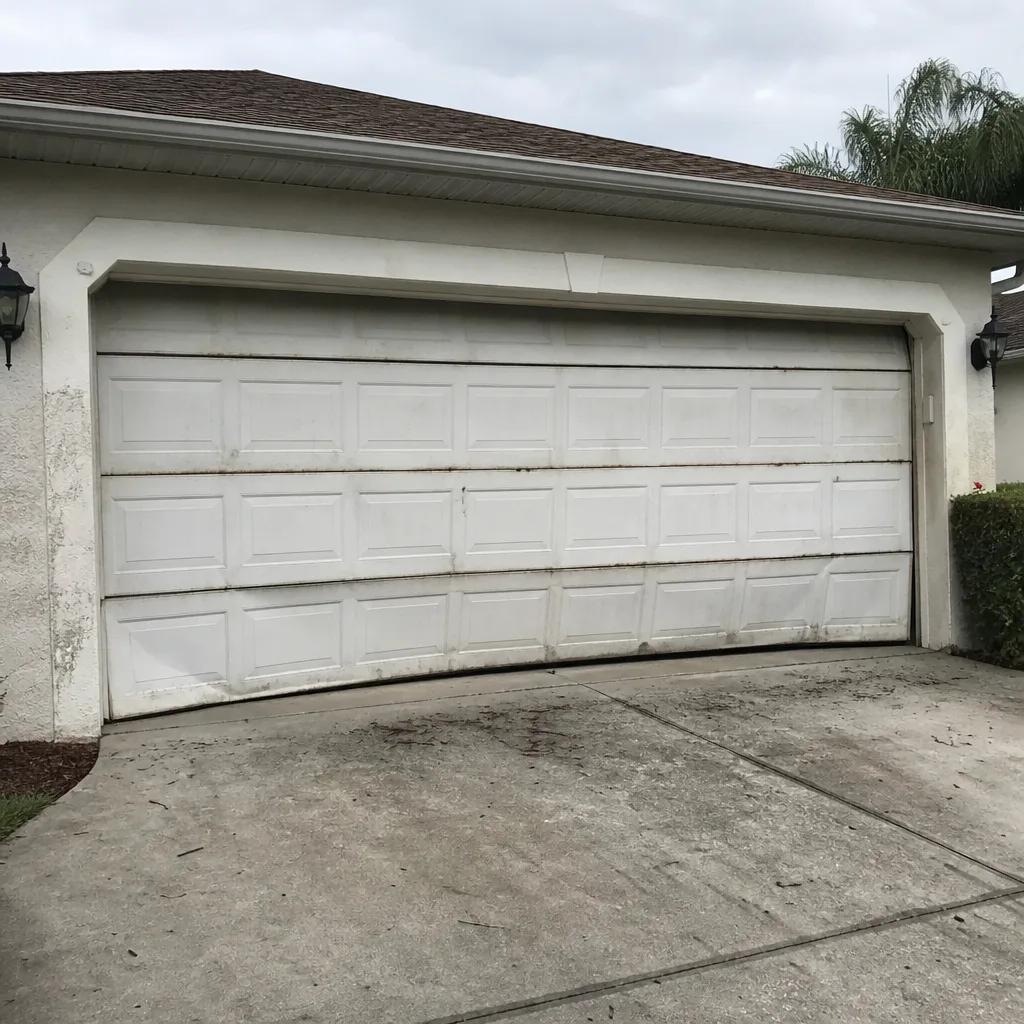 Before
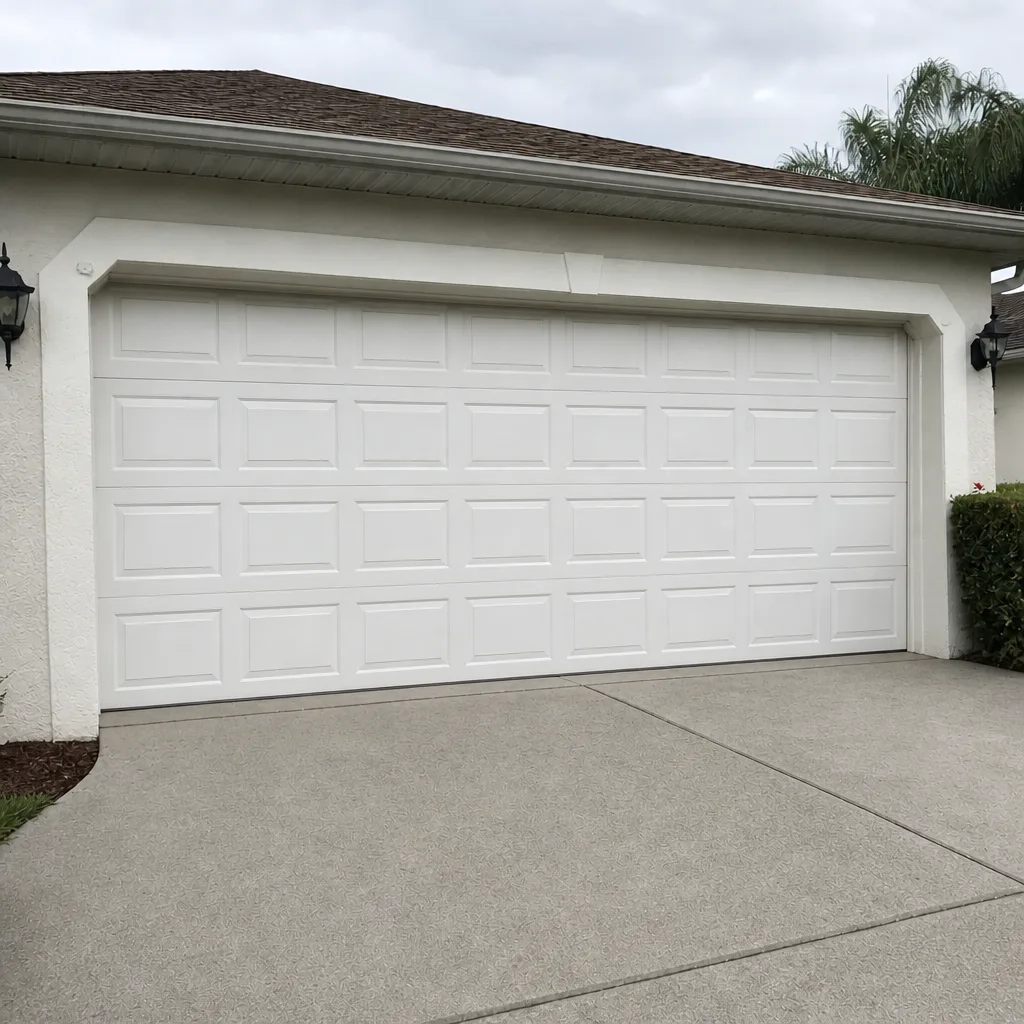 After
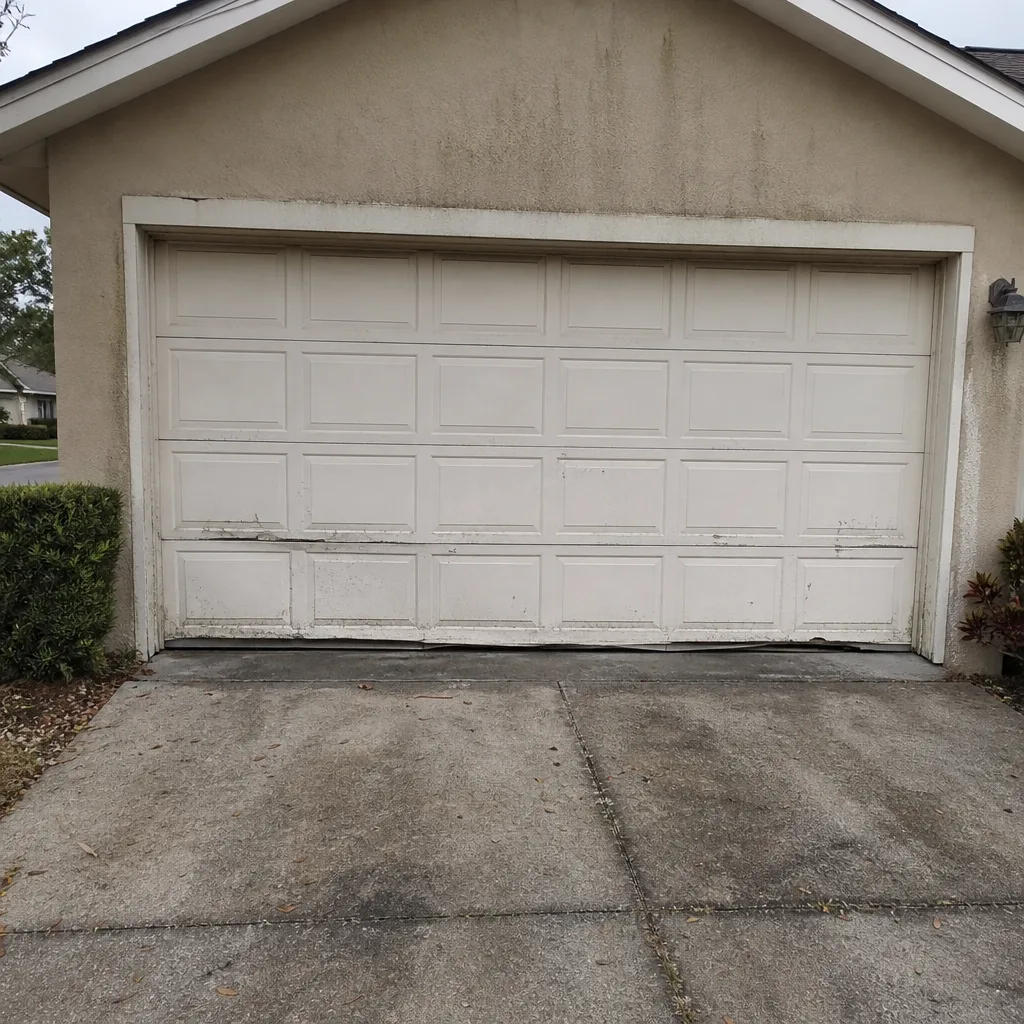 Before
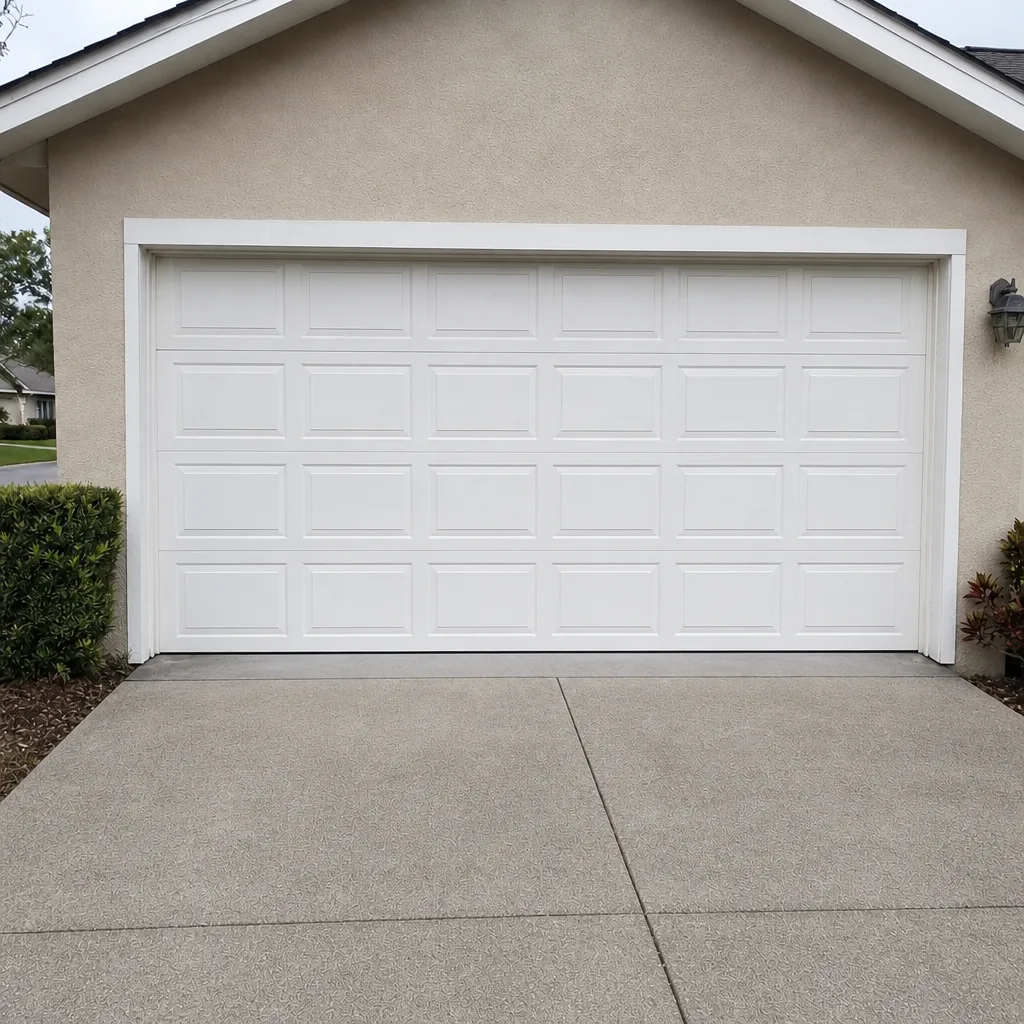 After
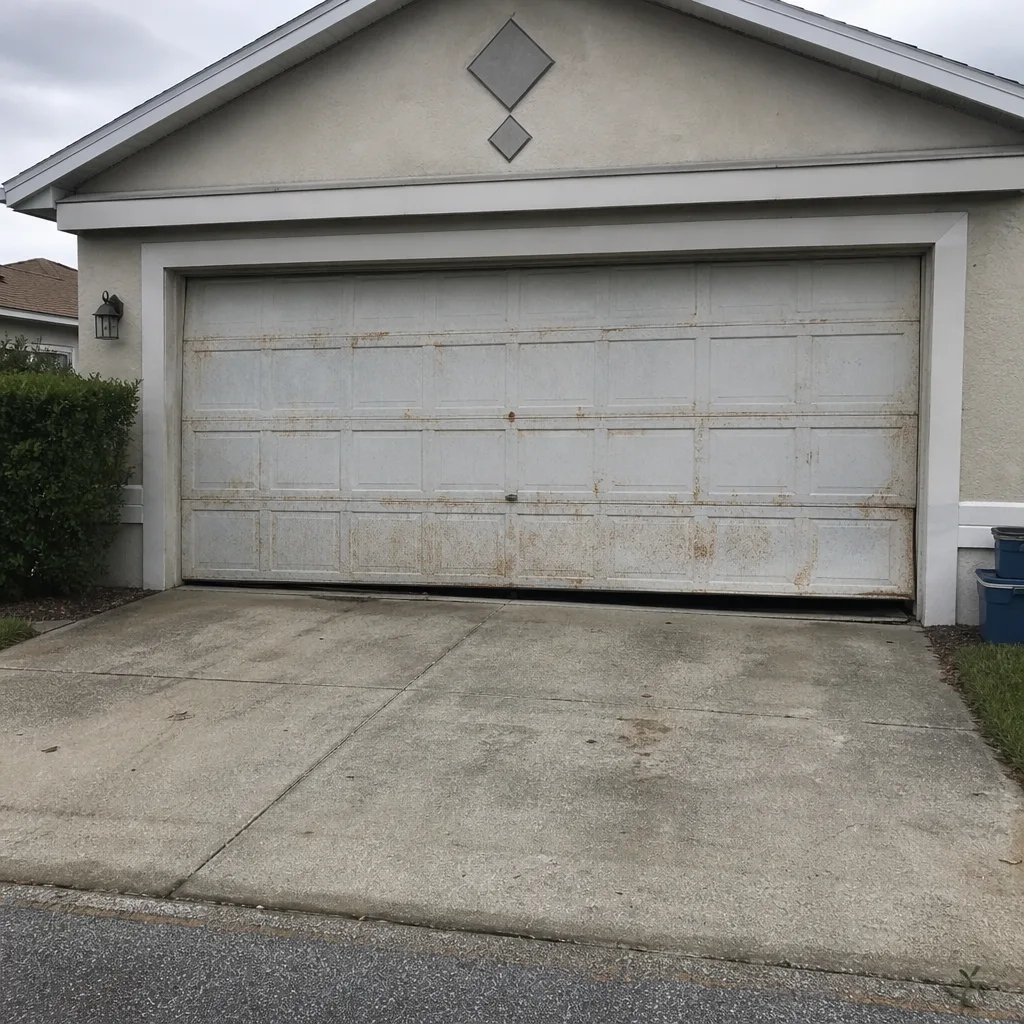 Before
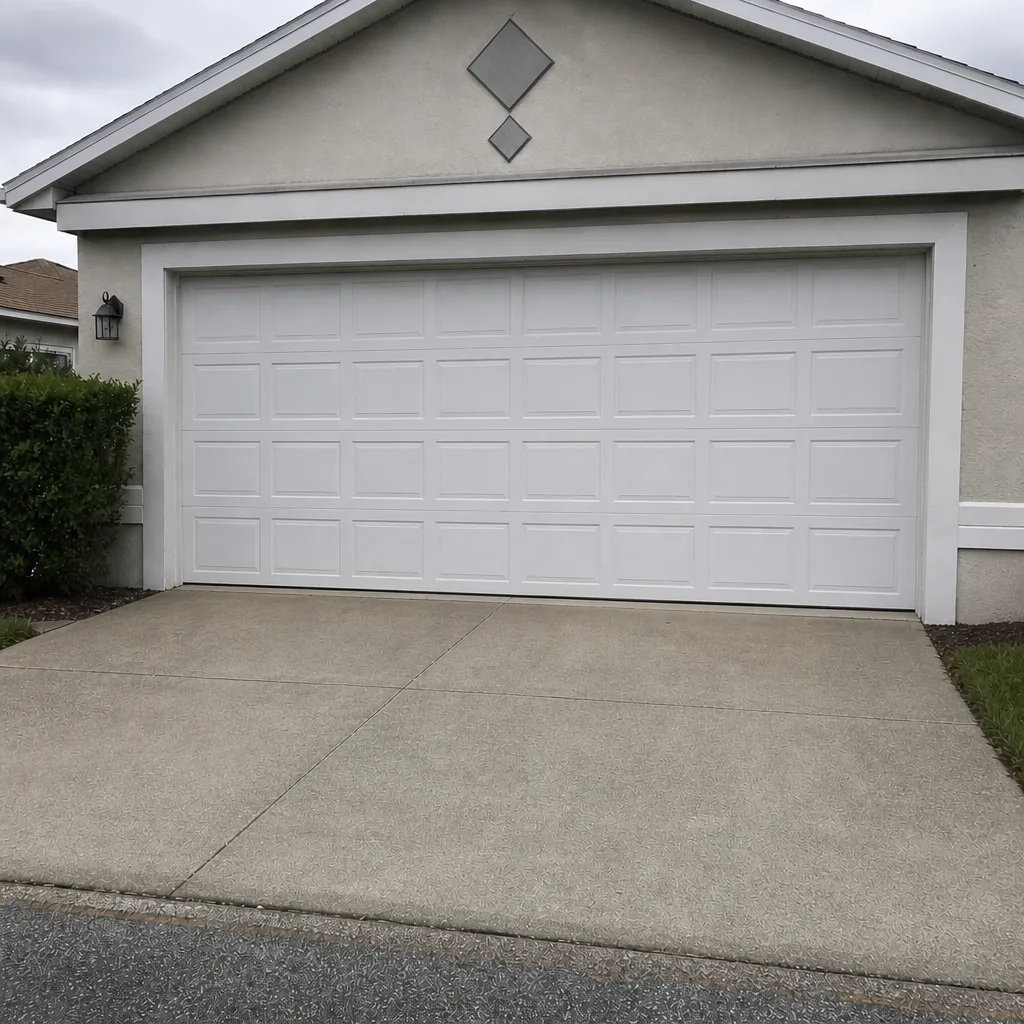 After
When to Call a Professional
Call a specialist when the manual release won’t fully disengage, when the door lifts hard or unevenly, or when a storm has left the door visibly off-level. Call when the opener reverses on its own, when a spring looks or sounds off, or when the battery backup won’t cycle. These are the cases where a garage door specialist, not a generalist, needs to take a look. Spring and cable systems carry dangerous tension, and a door that’s out of alignment can cause injury or worse. Don’t force it. Lakewood Ranch Garage Door Repair offers free estimates in Lakewood Ranch, and we handle repair, opener repair, spring repair, and new installation with the same team. Call (855) 337-2033 and we’ll get your door back to boring.
Frequently Asked Questions
Pull the red manual release cord hanging from the opener’s trolley while the door is fully closed, then lift the door evenly with both hands. If the door is heavy or binds, stop and call a professional. A door that won’t lift by hand may have a spring or balance problem. Call (855) 337-2033 if you’re not sure, and estimates are free.
It works for a limited number of cycles, not indefinitely. Most healthy backup packs handle several open-and-close cycles, enough to get cars out. Older or undersized packs may quit after one or two. We work on LiftMaster and Chamberlain openers throughout Lakewood Ranch, and we can test and replace a weak pack. Call (855) 337-2033 to book a check.
Because a door that shifted in its frame can be forced further out of alignment by the motor, which bends tracks and damages panels. Check the door by hand first, then reconnect and run one slow test cycle. If anything looks off, stop. Call (855) 337-2033 for a professional alignment check.
The bottom seal, panel integrity, and track hardware are the three components that decide whether the door stays in place under wind pressure. Test the manual release and the battery backup at the same time. A free estimate visit can cover all of it. Call (855) 337-2033 to schedule one.
Yes, emergency service is one of our core offerings. We handle urgent calls for spring failures, opener faults, and doors off their tracks. Tell us your door and opener brand when you call so we can come prepared. Call (855) 337-2033 and describe what the door is doing.
Most emergency repairs are quoted per job based on what’s actually wrong, and you’ll get a written price before any work starts. We don’t quote until we’ve seen the door, because a spring failure and an opener failure are different jobs. Call (855) 337-2033 for a free estimate and an upfront price.
No. The written estimate sets the price, and we agree on it before any work begins. That’s the one thing you should expect from any repair company, and we make it explicit. Call (855) 337-2033 to get a free estimate in Lakewood Ranch.
The Bottom Line
Garage door emergencies in Lakewood Ranch are usually preparation problems, not equipment failures. If you know where the manual release is and how to use it safely, test your battery backup before the season, check the bottom seal, panels, and track hardware before a storm, and hold off on the opener until you’ve confirmed the door is still square, you’ve removed most of the risk before you ever need a repair call. The door is the part everyone thinks about. The preparation is the part that actually matters. When something does fail, we’re one call away at (855) 337-2033 for a free estimate, and our technicians have up to 10 years of experience on the brands already in your garage. For the full range of what we handle, start at Lakewood Ranch Garage Door Repair.
Written by the team at Lakewood Ranch Garage Door Repair.